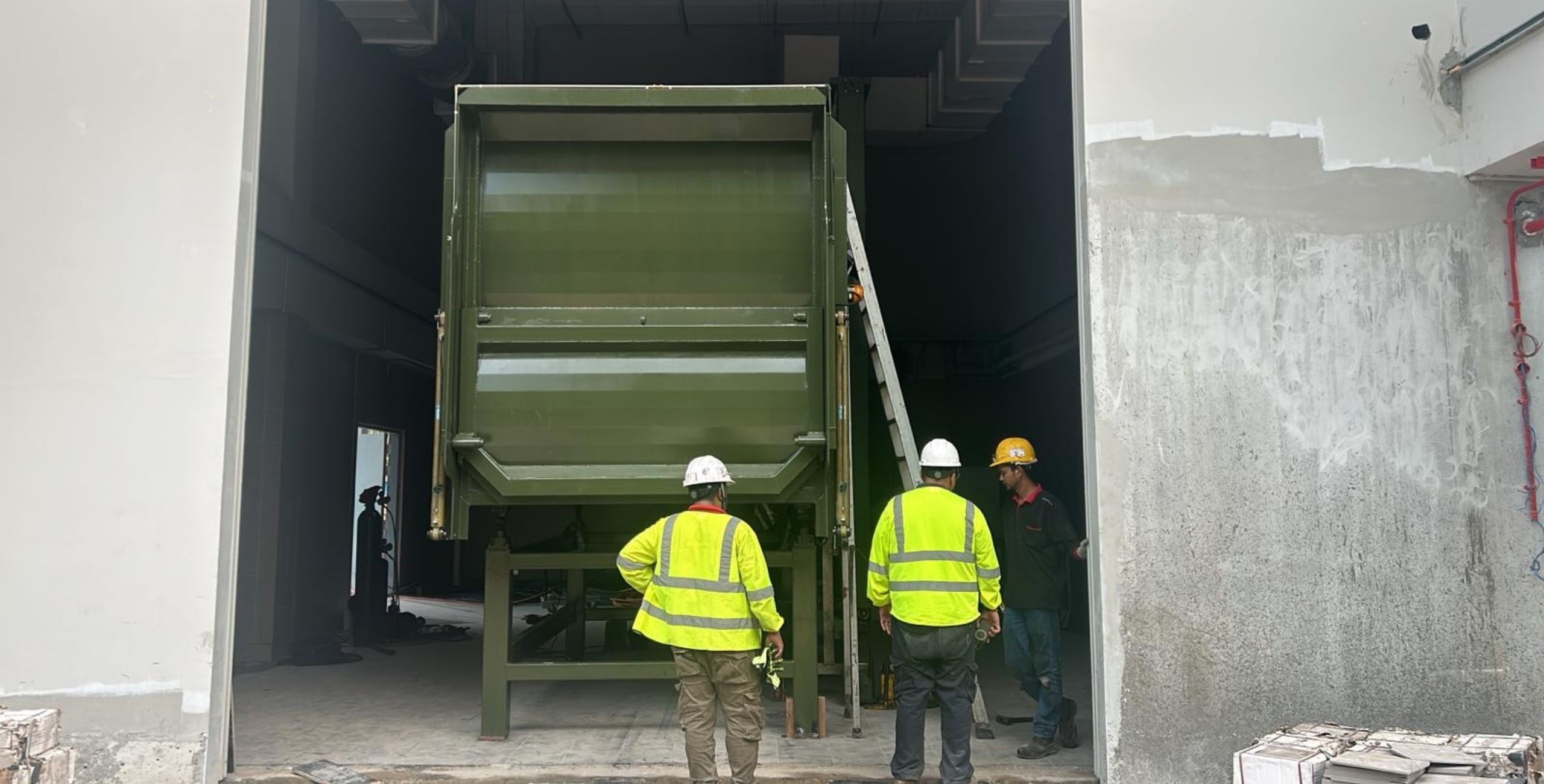
Singapore’s push towards a cleaner, more sustainable urban environment is reshaping how waste is managed. From Housing Development Board (HDB) estates to commercial facilities and public spaces, solid waste compactors are now essential tools for improving hygiene, reducing waste volume, and streamlining collection.
But not all compactors are created equal. Depending on the application, space constraints, and budget, different designs offer different strengths and trade-offs.
In this guide, we’ll walk through the main types of solid waste compactors used in Singapore, along with their pros and cons.
| Type | Strengths | Trade-offs |
|---|---|---|
| Stationary(Dustscrew/Drum) | Reliable, high-volume, minimal manual work | Fixed, costly installation |
| Static Minimatic | Compact, simple, cost-effective | Manual |
| Smart Compactors | IoT-enabled, hygienic, high compaction | High cost, tech maintenance* *NEA’s PSG up to 50% subsidies |
| Smartpac Recycling | Hygiene, recycling separation | Bulky, complex servicing |
| Portable | Flexible, mobile | Manual |
| Mobile Refuse Compactors | Vehicle-integrated, adaptable | Capital-intensive |
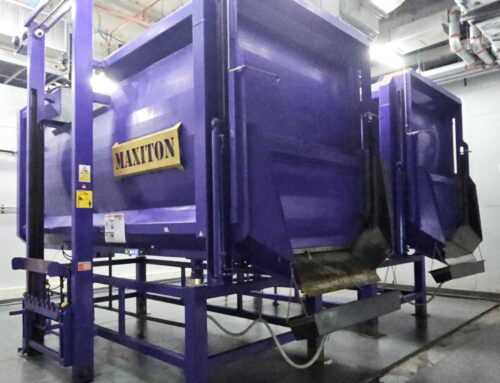
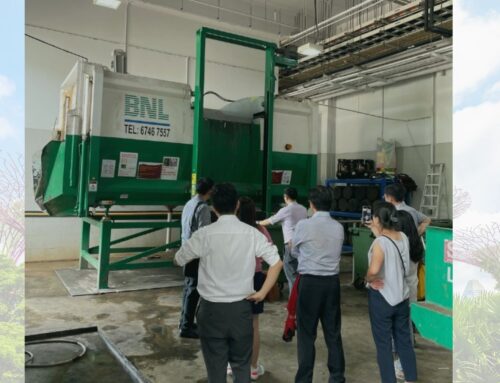
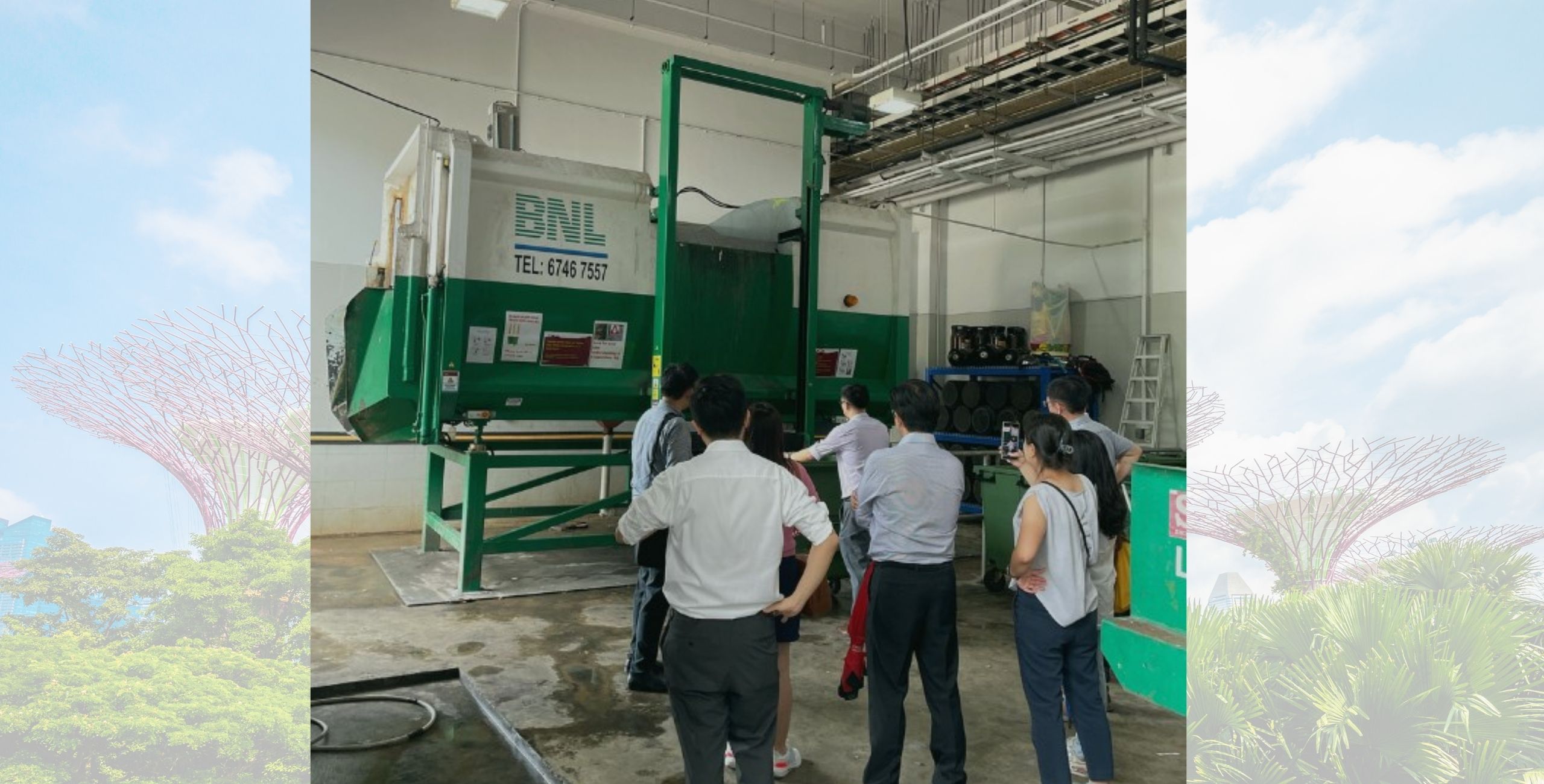
1. Stationary Refuse Compactors (Dustscrews & Dustdrums)
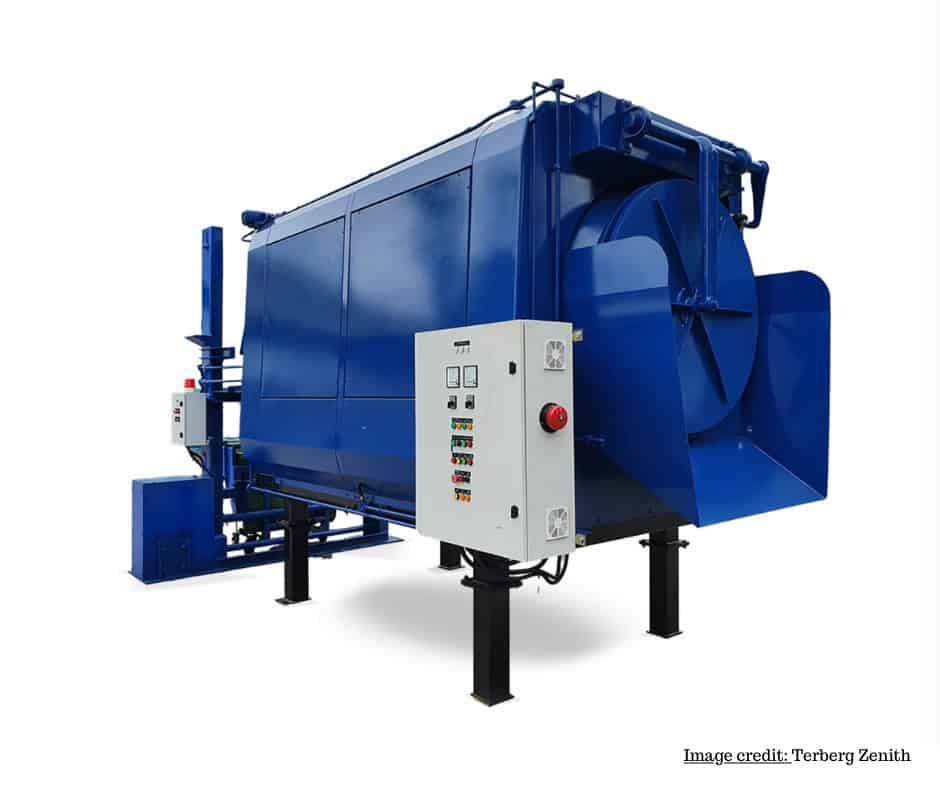
Where they’re used: HDB residential bin centres
Pros:
Fixed installation with direct waste transfer to collection trucks
Efficient operation with minimal manual handling
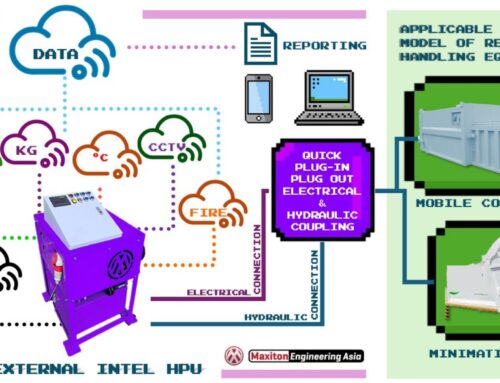
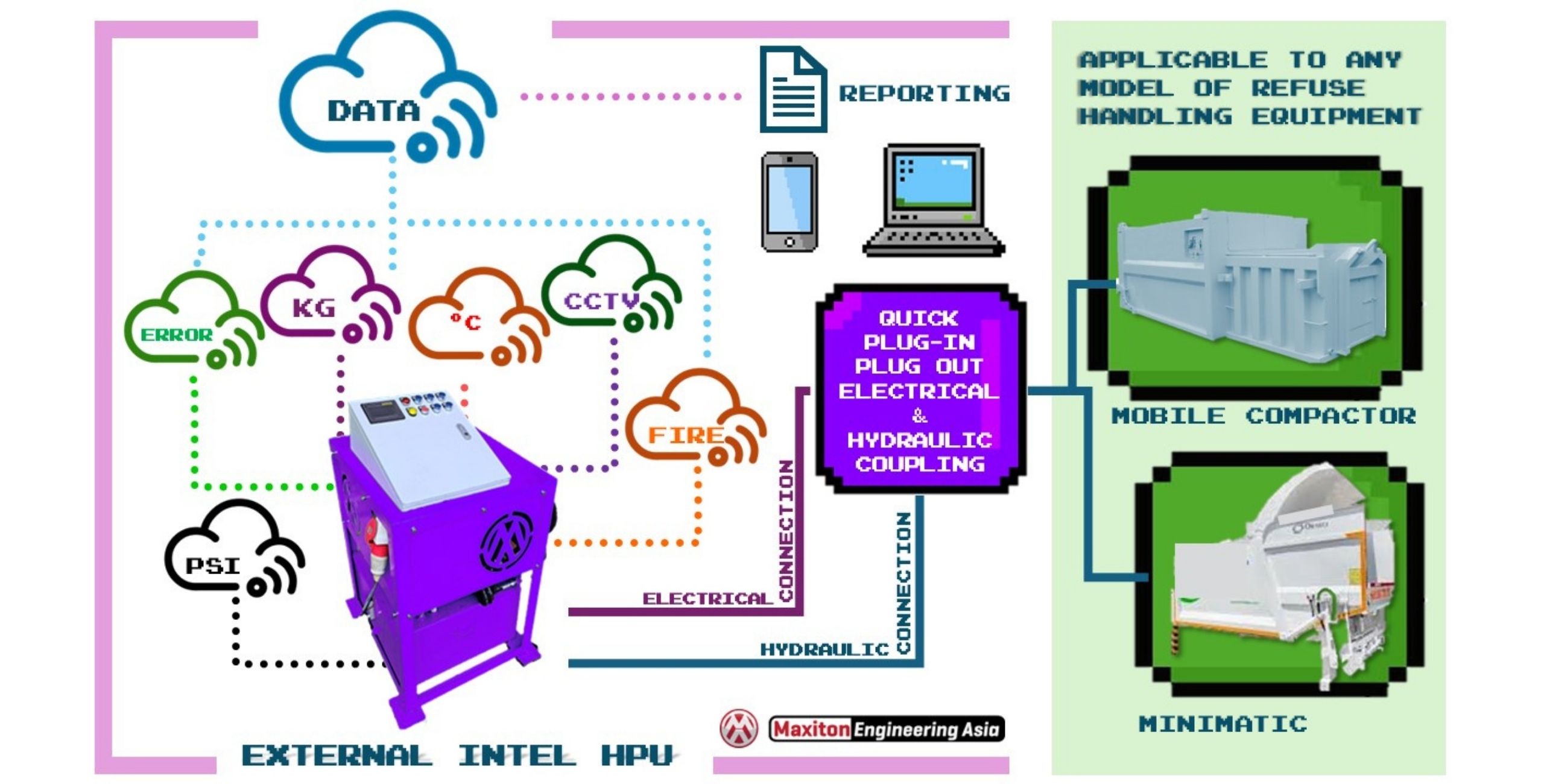
Optional IoT features, auto-washing, and fire suppression systems
Cons:
Requires a dedicated space and infrastructure
Higher installation cost and no mobility
2. Static Waste Compactors (Minimatic)
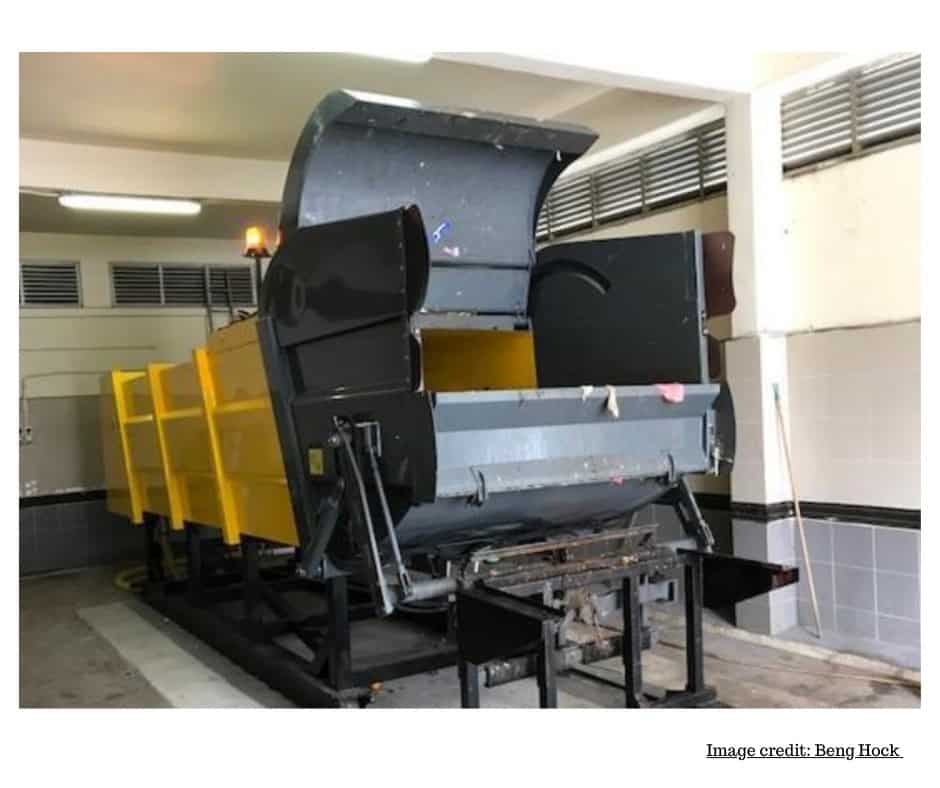
Where they’re used: Smaller bin centres, commercial properties
Pros:
Compact, simple design for quick installation
Automated ejector plate for easy waste release
Compatible with bin lifters
Cons:
Fewer automation features compared to smart models
Limited remote monitoring capabilities
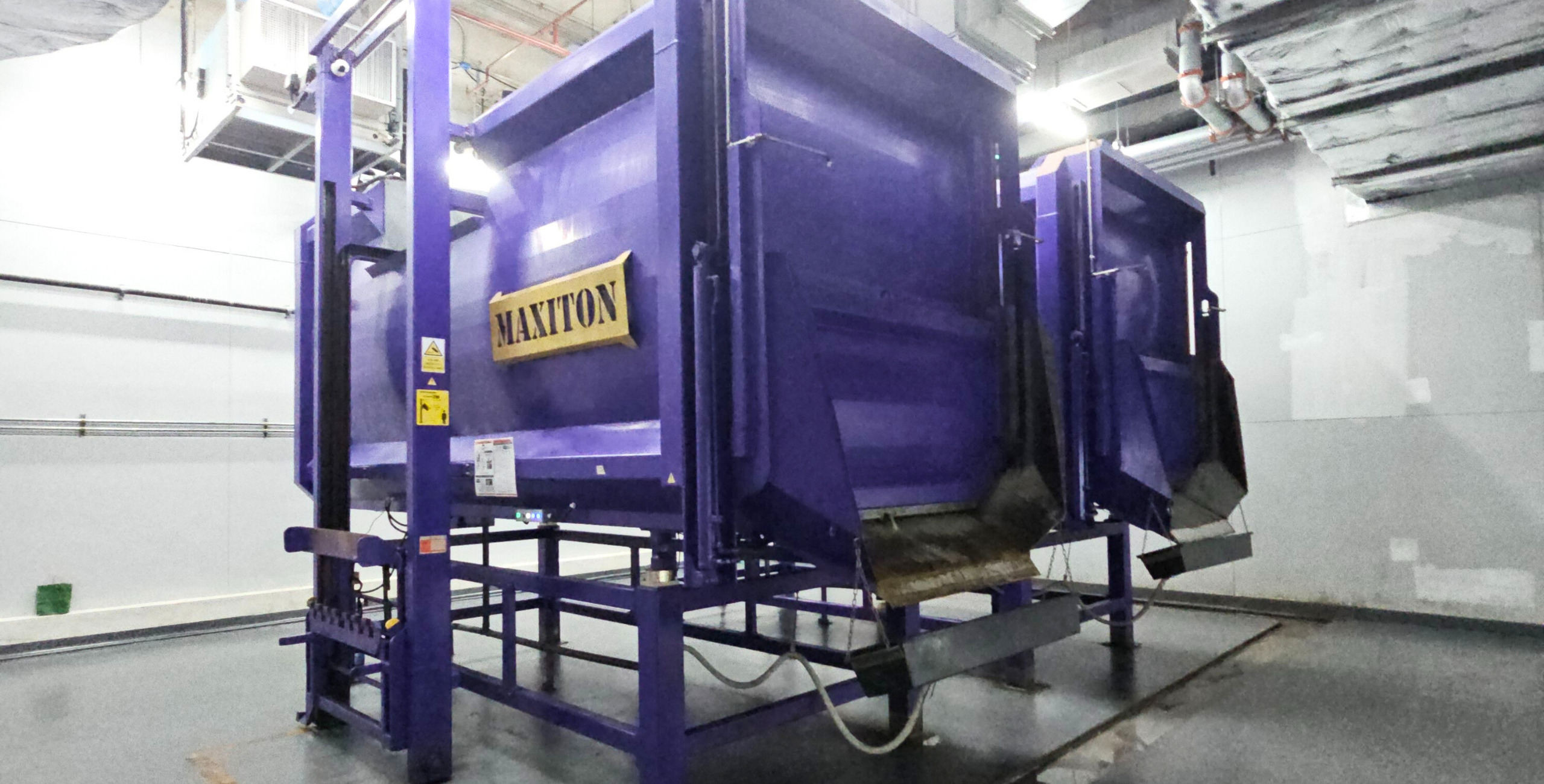
3. Smart Stationary Compactors (Multiplexor & CUBiPlexor)

Where they’re used: HDB residential bin centres, modern residential estates, high-volume sites
Pros:
IoT-enabled with real-time monitoring and automated waste handling (up to 90%)
Integrated odour control, pest deterrents, and automated flushing
High compaction efficiency (95–99% space utilization)
Cons:
Higher upfront investment
Requires maintenance support for digital systems
Top Benefits:
Optimized Waste Handling & Hygiene
With sensors for fill-levels and automated compaction (up to 90% assistance), these units streamline collection and minimize manual intervention.
Integrated systems—like deodorization, ultrasonic pest deterrence, and auto-washing—enhance cleanliness in bin centres.
Maximized Space Efficiency
Compact design achieves high compaction ratios (95–99%), freeing up valuable space in HDB estates and commercial bin centres.
IoT-Enabled Monitoring
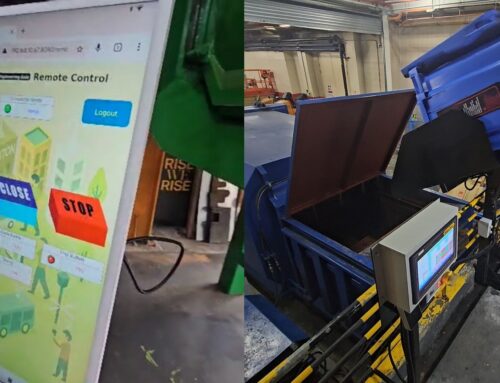
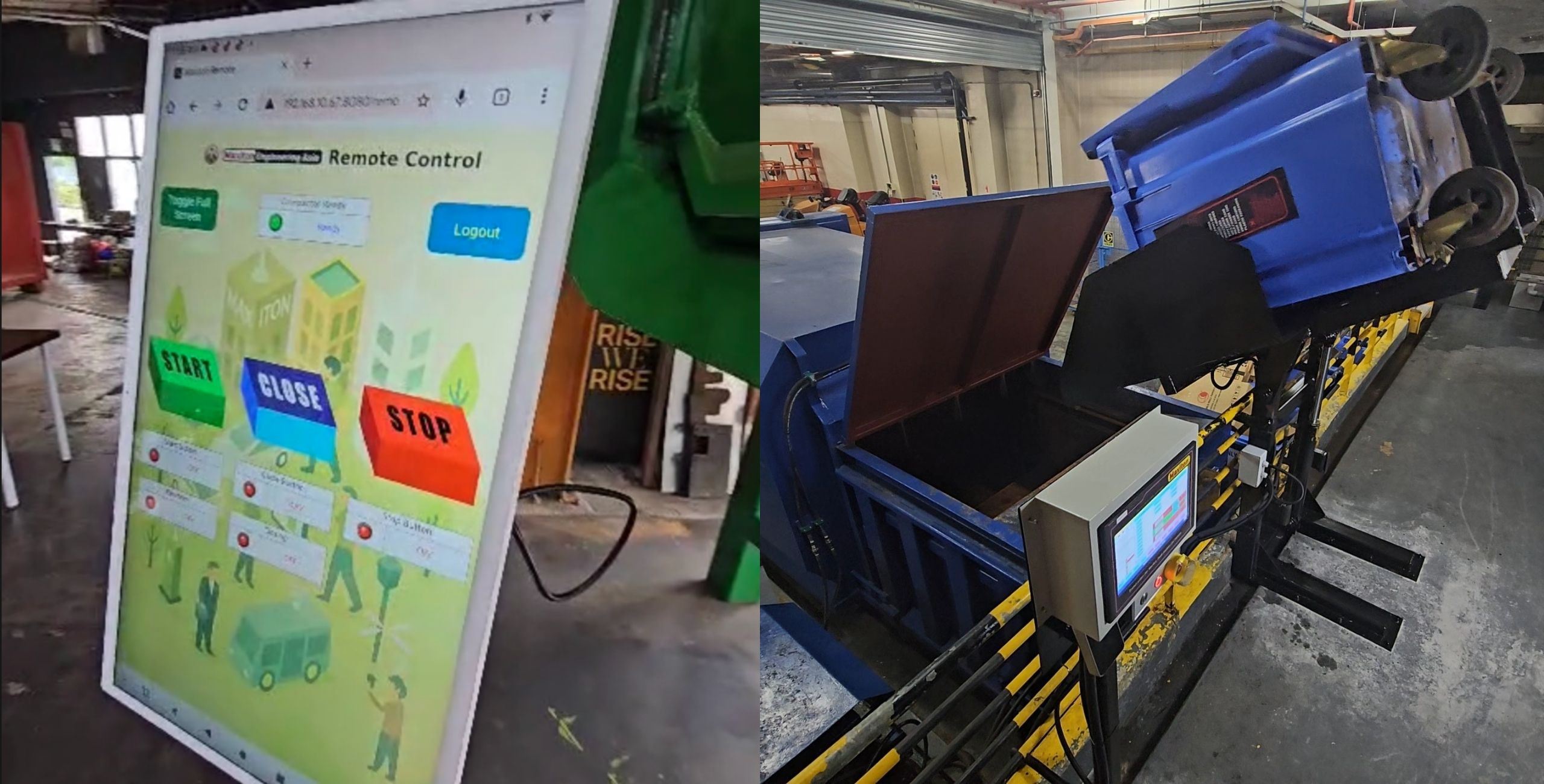
Remote dashboards deliver real-time insights on weight, usage, and system health, enabling predictive maintenance and operational efficiency.
Supports National Climate and Waste Goals
These systems help reduce general waste, a key target of the Zero Waste Masterplan aiming for a 30% reduction in daily waste to landfills by 2030.
They also dovetail with broader sustainability milestones under Green Plan 2030, which include cutting public-sector waste by 30% and improving resource efficiency.
Funding Support: NEA’s Environmental Services Productivity Solutions Grant (ES PSG)
Purchasing smart compactors becomes significantly more feasible thanks to NEA’s Environmental Services Productivity Solutions Grant (ES PSG):
Up to 50% funding support capped at S$200,000 per business.
4. Smartpac Stationary & Recycling Compactors
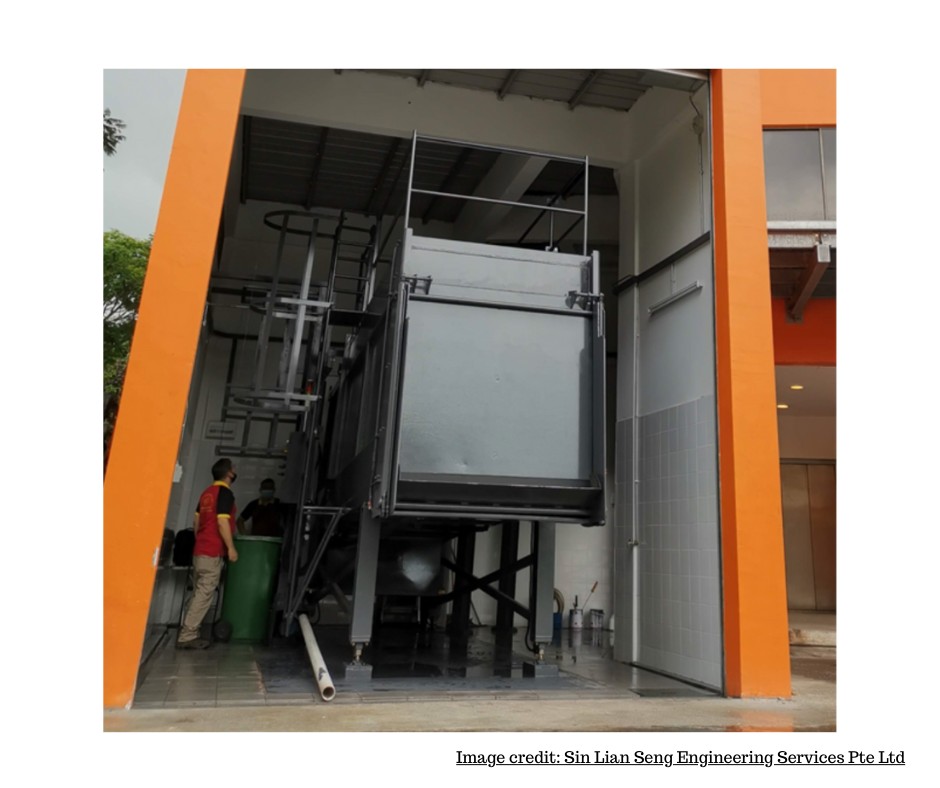
Where they’re used: Small to medium bin centres with recycling needs
Pros:
Fully enclosed to keep pests out and improve hygiene
Galvanized for corrosion resistance
SCADA-based real-time monitoring
Twin-chamber versions separate waste streams
Cons:
Slightly bulkier footprint
More complex servicing requirements
5. Portable Waste Compactors
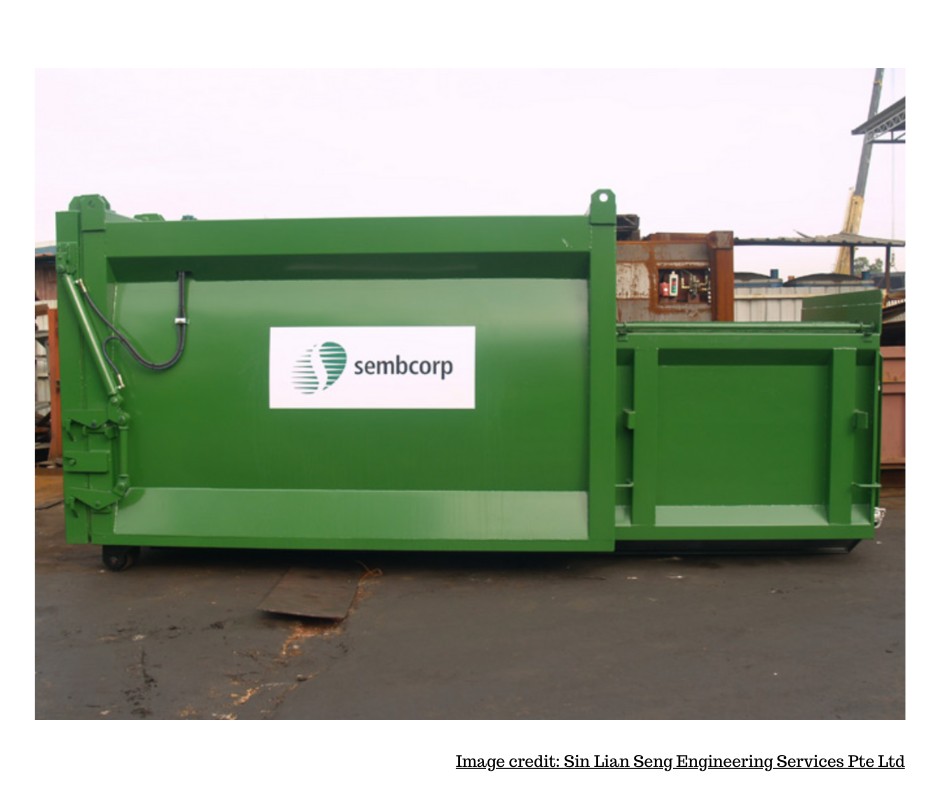
Pros:
No major site modification needed—just space and power
Can handle up to 10 tonnes of waste
Flexible deployment across multiple locations
Cons:
Usually lower automation compared to fixed systems
Less efficient for extremely high-volume sites
6. Mobile Refuse Compactors (MRCs)
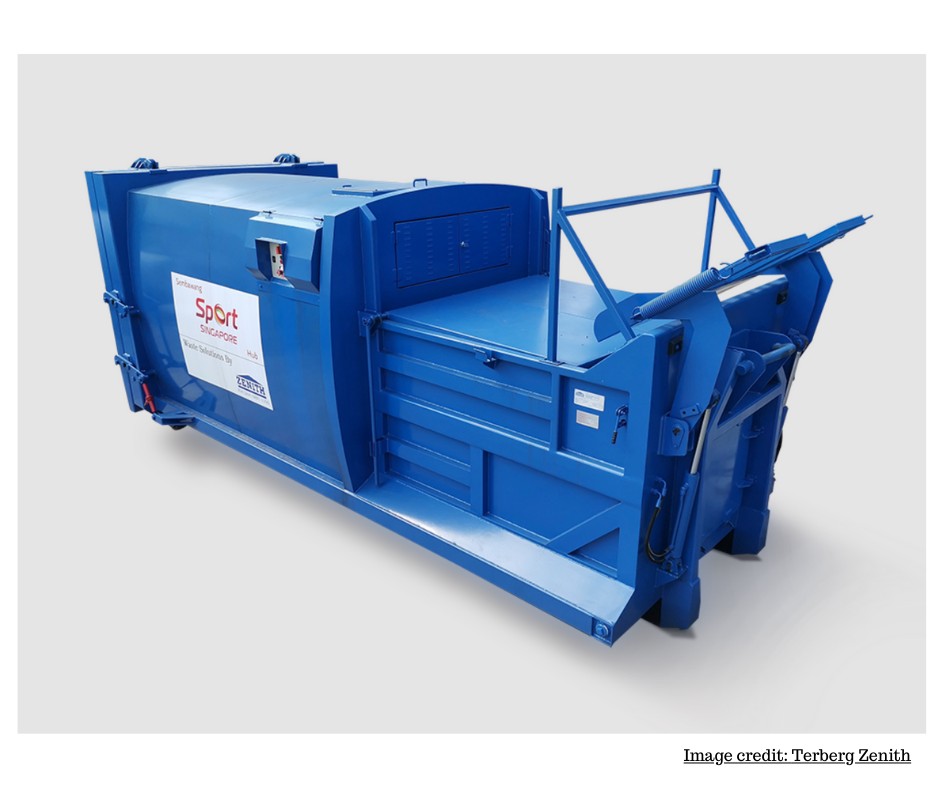
Pros:
Highly adaptable for different bin sizes (240L–1100L)
Capacities from 8 m³ to 18 m³
Can be integrated with vehicle power systems
Cons:
Higher capital investment
Best suited for mobile waste collection, not fixed sites
Choosing the Right Compactor
With Singapore’s increasing push towards smart waste management, expect to see IoT-based compactors becoming the norm—making waste handling cleaner, safer, and more efficient. Talk to us today for a more informed choice!