Selecting the right material-handling system is one of the most important decisions you can make for your operation. Whether you manage a recycling center, transfer station, manufacturing plant, warehouse, or distribution hub, the efficiency of your waste management equipment directly impacts productivity, safety, and profitability.
In this guide, we’ll walk through the key considerations to help you choose the best material-handling equipment for your facility.
1. Understand Your Waste Stream and Material Type
Choosing the right material-handling system for your facility is one of the most important investments you can make to improve efficiency, safety, and long-term profitability. The right waste management equipment streamlines operations, reduces labor costs, minimizes downtime, and ensures your facility can handle current and future demand. Whether you operate a recycling center, transfer station, manufacturing plant, or distribution warehouse, selecting the proper material-handling equipment requires a careful evaluation of your operational needs.
The first factor to consider is the type of waste or material your facility processes. Different waste streams such as municipal solid waste, construction and demolition debris, recyclables, scrap metal, or organic materials all require specialized waste handling equipment. The weight, density, abrasiveness, and moisture content of your material will directly impact the durability and design of your material-handling system. Choosing equipment that is specifically engineered for your waste stream helps reduce excessive wear, extend equipment lifespan, and maintain consistent performance under demanding conditions.
Common types of waste:
1. Municipal solid waste (MSW)
2. Construction & demolition (C&D) debris
3. Scrap metal
4. Recyclables (paper, plastics, cardboard)
5. Organic waste
6. Hazardous materials
Each waste stream requires specialized waste handling equipment. For example:
1. Heavy, bulky loads may require hydraulic compactors and reinforced conveyors.
2. Lightweight recyclables often require sorting conveyors and balers.
3. Abrasive materials may need wear-resistant transfer systems.
Matching your material characteristics to the right waste management machinery ensures longevity and performance.
Processing volume and throughput requirements are equally critical when selecting waste management equipment. A system that cannot keep up with daily processing demands will create bottlenecks, increase labor strain, and reduce overall productivity. On the other hand, oversizing your material-handling equipment may result in unnecessary capital expenses. Evaluating both your current daily volume and projected growth ensures your material-handling system can operate efficiently today while remaining scalable for future expansion. High-capacity conveyors, industrial compactors, balers, and automated sorting systems may be necessary for facilities managing large volumes of waste.
Each waste stream requires specialized waste handling equipment. For example:
1. Heavy, bulky loads may require hydraulic compactors and reinforced conveyors.
2. Lightweight recyclables often require sorting conveyors and balers.
3. Abrasive materials may need wear-resistant transfer systems.
Matching your material characteristics to the right waste management machinery ensures longevity and performance.
2. Evaluate Volume and Throughput Requirements
Processing volume and throughput requirements are equally critical when selecting waste management equipment. A system that cannot keep up with daily processing demands will create bottlenecks, increase labor strain, and reduce overall productivity. On the other hand, oversizing your material-handling equipment may result in unnecessary capital expenses.
Each waste stream requires specialized waste handling equipment. For example:
1. Heavy, bulky loads may require hydraulic compactors and reinforced conveyors.
2. Lightweight recyclables often require sorting conveyors and balers.
3. Abrasive materials may need wear-resistant transfer systems.
Evaluating both your current daily volume and projected growth ensures your material-handling system can operate efficiently today while remaining scalable for future expansion. High-capacity conveyors, industrial compactors, balers, and automated sorting systems may be necessary for facilities managing large volumes of waste. Throughput capacity is critical when selecting a material-handling system. Undersized equipment can cause bottlenecks, while oversized systems may increase unnecessary costs.
Data points that are commonly used for calculation:
1. Calculate daily and hourly processing volumes.
2. Account for peak load times and seasonal fluctuations.
3. Consider high-capacity conveyors, industrial compactors, and automated sorting lines for large-scale facilities.
4. Look for scalable and modular waste management equipment that can grow with your business.
5. Ensure the system design supports continuous, efficient material flow.
Proper capacity planning prevents downtime and supports long-term operational growth. Matching your material characteristics to the right waste management machinery ensures longevity and performance.
3. Assess Facility Layout and Available Space
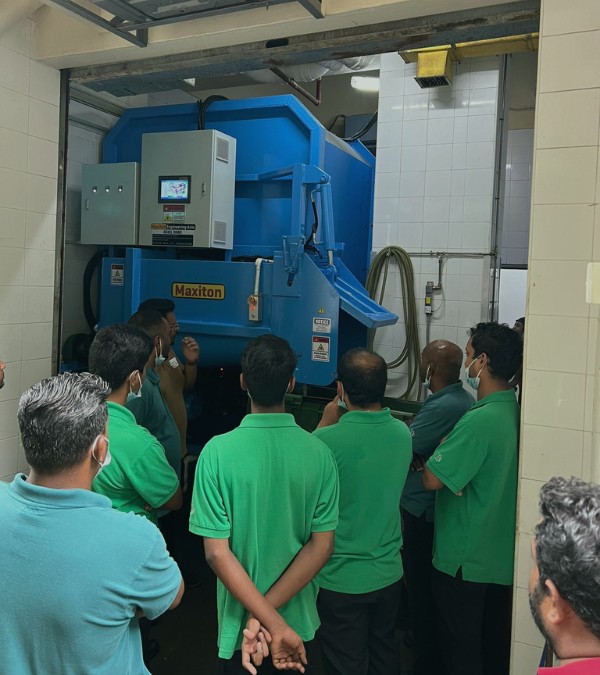
Facility layout and available space also play a significant role in determining the best material handling solution. Ceiling height, floor space, traffic flow, loading dock access, and indoor or outdoor installation requirements must all be considered. A well-designed material-handling system should optimize workflow while minimizing unnecessary movement of materials. Custom conveyor layouts, vertical balers, and compact waste management machinery can help facilities with limited space maximize operational efficiency without compromising performance.
Your building layout significantly impacts which material handling solutions will work best:
1. Measure ceiling height, floor space, and access points.
2. Consider truck traffic patterns and loading dock placement.
3. Evaluate indoor versus outdoor equipment installation.
4. Choose vertical balers or compact systems for limited space facilities.
5. Design conveyor systems to optimize workflow and minimize manual handling.
A customized material-handling system improves workflow efficiency while maximizing usable space.
4. Determine the Level of Automation Needed
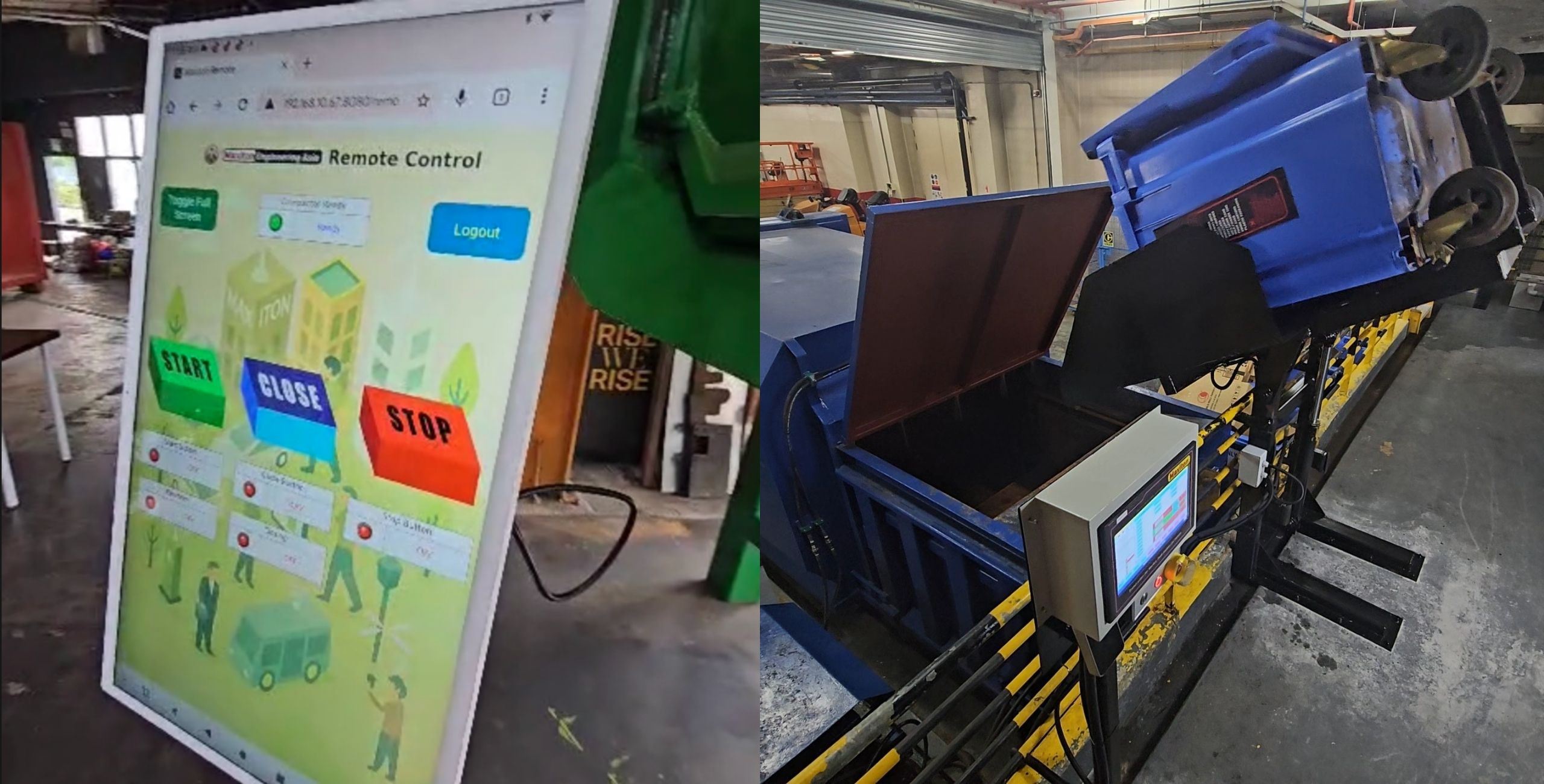
Another important consideration is the level of automation required. Modern waste management systems range from manual operations to fully automated processing lines. Automation can significantly improve throughput, reduce labor dependency, and enhance safety. Investing in advanced material-handling equipment with automated feeding, sorting, and compacting capabilities can lower long-term operating costs while delivering consistent performance. Facilities seeking higher efficiency and improved workplace safety often benefit from automated waste handling equipment designed to minimize manual intervention.
Automation plays a major role in modern waste management systems and can dramatically improve productivity:
1. Manual systems may work for smaller facilities with lower volumes.
2. Semi-automated systems balance labor and efficiency with conveyor-fed compactors.
3. Fully automated material-handling equipment reduces labor costs and increases throughput.
4. Advanced sorting technologies improve recycling accuracy and consistency.
5. Automation enhances workplace safety and reduces human error.
Selecting the right level of automation ensures the best return on your investment in waste management equipment.
5. Focus on Safety and Regulatory Compliance
Safety and regulatory compliance must remain a priority when selecting waste management equipment. Proper guarding, emergency stop systems, dust suppression solutions, and fire prevention features are essential components of a reliable material-handling system. Equipment that meets industry safety standards not only protects employees but also reduces liability and operational disruptions. A safe working environment supports productivity and strengthens overall operational stability.
Focus on Safety and Regulatory Compliance:
1. Safe and compliant waste handling equipment protects your employees and your business.
2. Look for built-in safety guards and emergency stop systems.
3. Ensure compliance with OSHA and industry safety standards.
4. Incorporate dust control and fire prevention systems when needed.
5. Reduce manual lifting and repetitive strain with automated waste handling systems.
5. Choose equipment designed with operator safety in mind.
Prioritizing safety reduces workplace incidents and enhances operational reliability.
6. Consider Durability, Maintenance, and Service Support
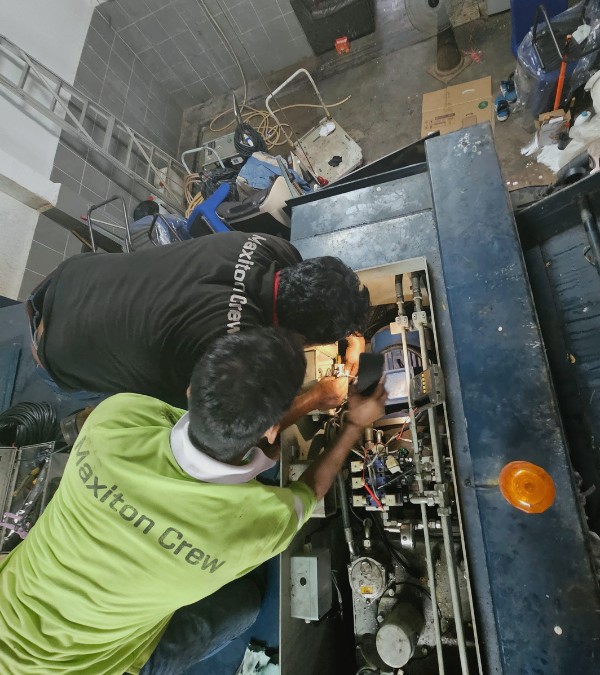
Durability and maintenance requirements should also influence your decision. Industrial-grade waste management machinery built with heavy-duty materials and wear-resistant components will perform better in demanding environments. Easy access to replacement parts, preventative maintenance programs, and responsive service support are all essential to minimizing downtime. Choosing a trusted provider of material-handling equipment ensures your system remains reliable and cost-effective throughout its lifespan.
Factors to consider:
1. Long-lasting, heavy-duty waste management equipment minimizes downtime and repair costs.
2. Select corrosion-resistant and wear-resistant components.
3. Ensure replacement parts are readily available.
4. Ask about preventative maintenance programs.
5. Confirm the manufacturer offers installation, training, and ongoing support.
6. Choose equipment engineered for industrial-grade performance.
Reliable material-handling equipment ensures consistent operation and long-term savings.
Selecting the right material-handling system is a strategic decision that directly impacts your facility’s productivity and profitability. By carefully analyzing your waste stream, processing volume, facility layout, automation needs, safety requirements, and long-term financial goals, you can invest in waste management equipment that supports sustainable growth and operational excellence. Partnering with an experienced waste management equipment provider ensures your system is customized to meet your facility’s unique demands while positioning your business for long-term success.