How do businesses and government deal with large volumes of waste, overflowing dumpsters, frequent pickups, and rising waste disposal costs? That’s where waste compactors come in.
But how do waste compactors work—and are they really worth the investment?
In this guide, we’ll break down how commercial waste compactors work, the different types available, and why they’re a smart solution for businesses looking to improve efficiency, cut costs, and stay compliant.
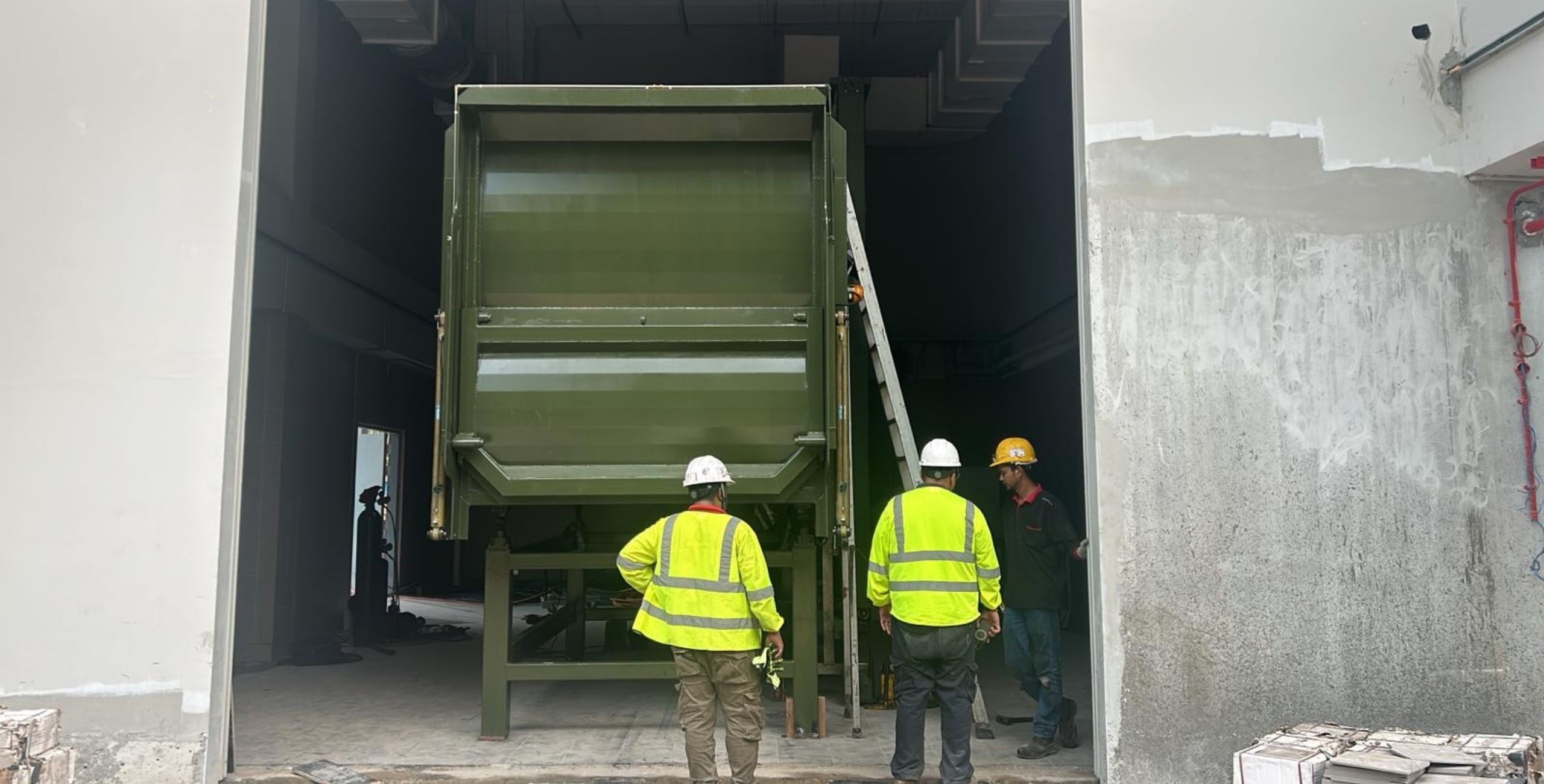
What Is a Waste Compactor?
A waste compactor is a machine designed to compress waste materials, reducing their volume by up to 80%. By compacting trash into a smaller, denser load, businesses can store more waste in less space and reduce the number of collections required.
Waste compactors are commonly used by:
1. Retail stores
2. Restaurants and grocery stores
3. Warehouses and distribution centers
4. Manufacturing facilities
5. Apartment complexes and commercial buildings
How Do Waste Compactors Work?
While designs vary, most waste compactors operate using the same core process:
1. Waste Is Loaded into the Compactor
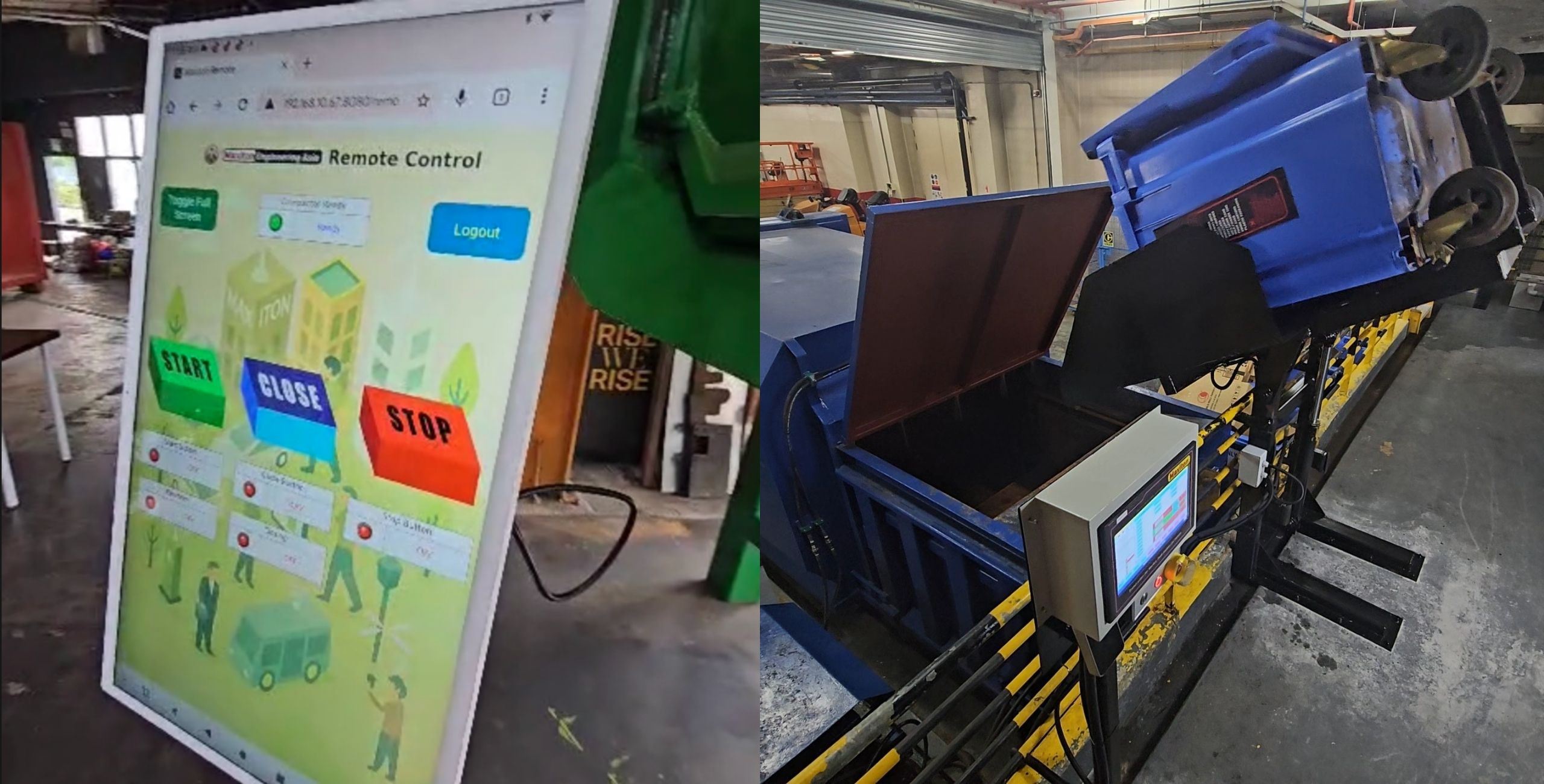
Trash or recyclable materials are placed into the compactor either manually, through a hopper, or via a chute system. This can include cardboard, plastic, packaging, or general waste.
2. Hydraulic Ram Compresses the Waste
Once activated, a hydraulic ram (powered by an electric motor and hydraulic system) pushes the waste against a solid wall or into a container. This pressure compresses the material, removing air pockets and dramatically reducing volume.
3. Compacted Waste Is Stored
The compacted waste is stored in an attached container or chamber. Because the waste is denser, the container fills much more slowly than a standard dumpster.
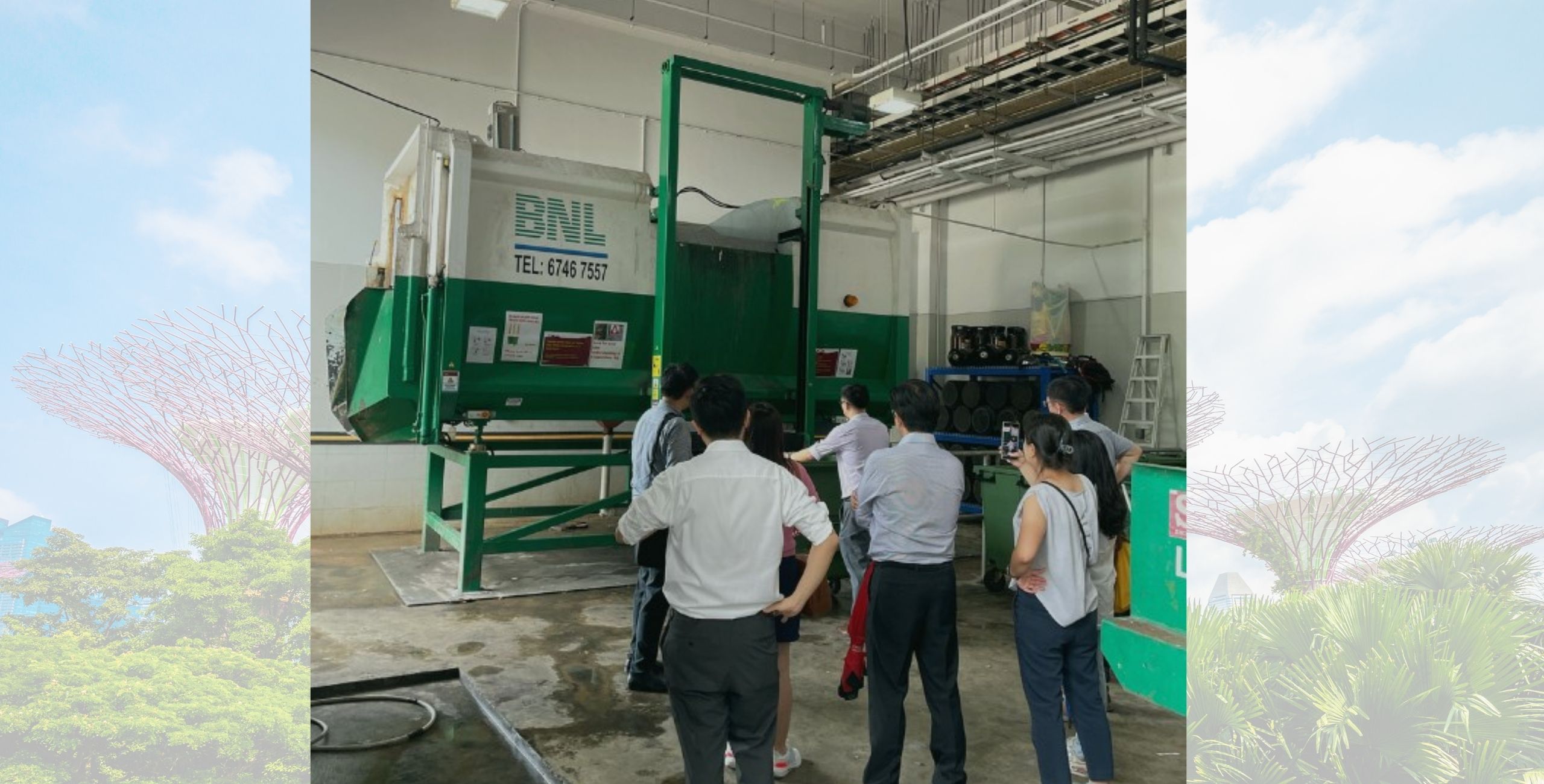
4. Full Container Is Hauled Away (for mobile compactor)/ Collected by Rear-End Loader (REL)
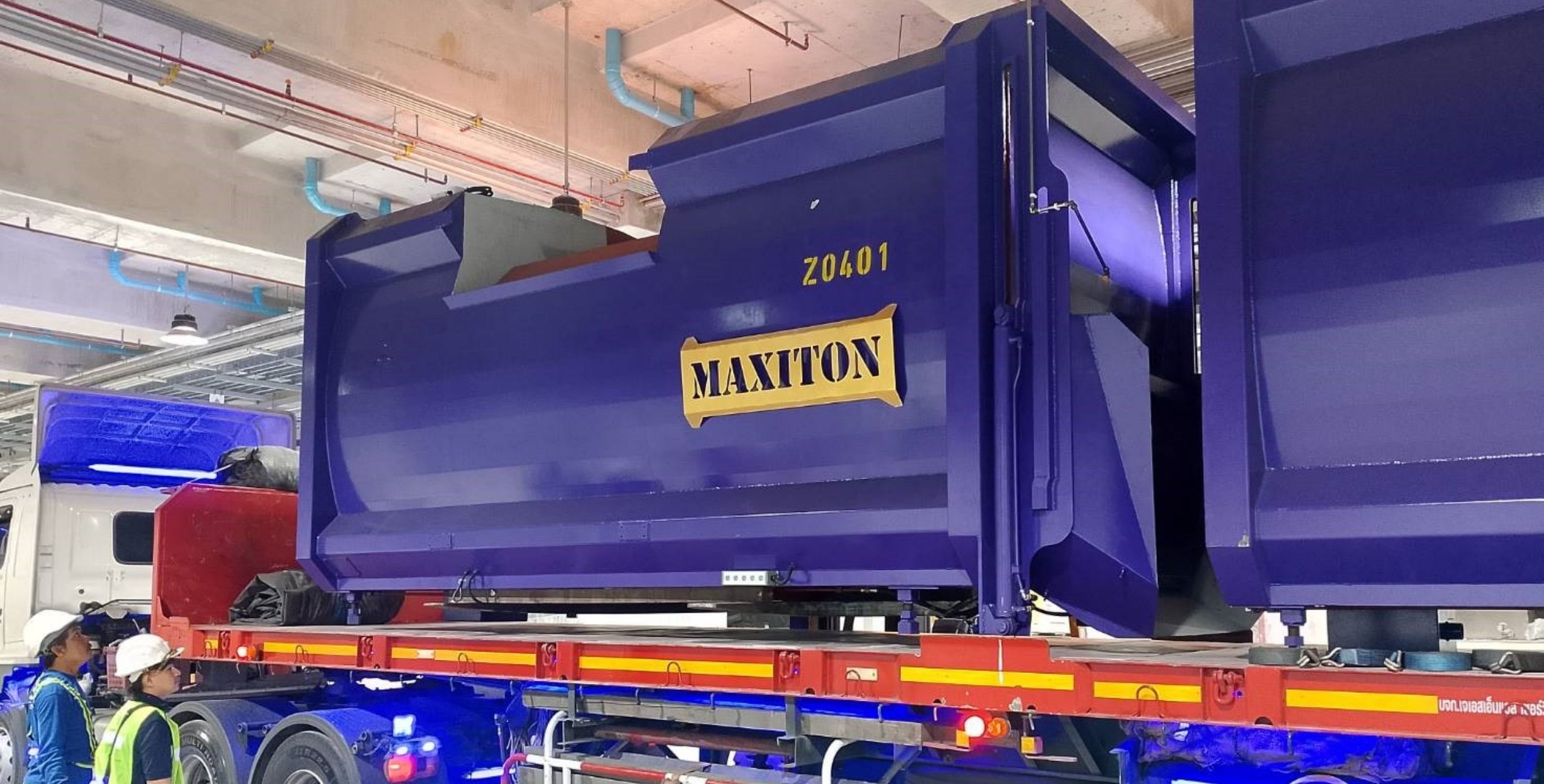
When the container reaches capacity, it’s collected and emptied by a waste collection service provider. Fewer pickups mean lower transportation costs and less disruption to your operations.
Types of Waste Compactors
Choosing the right compactor depends on your waste volume, space, and material type. The most common options include:
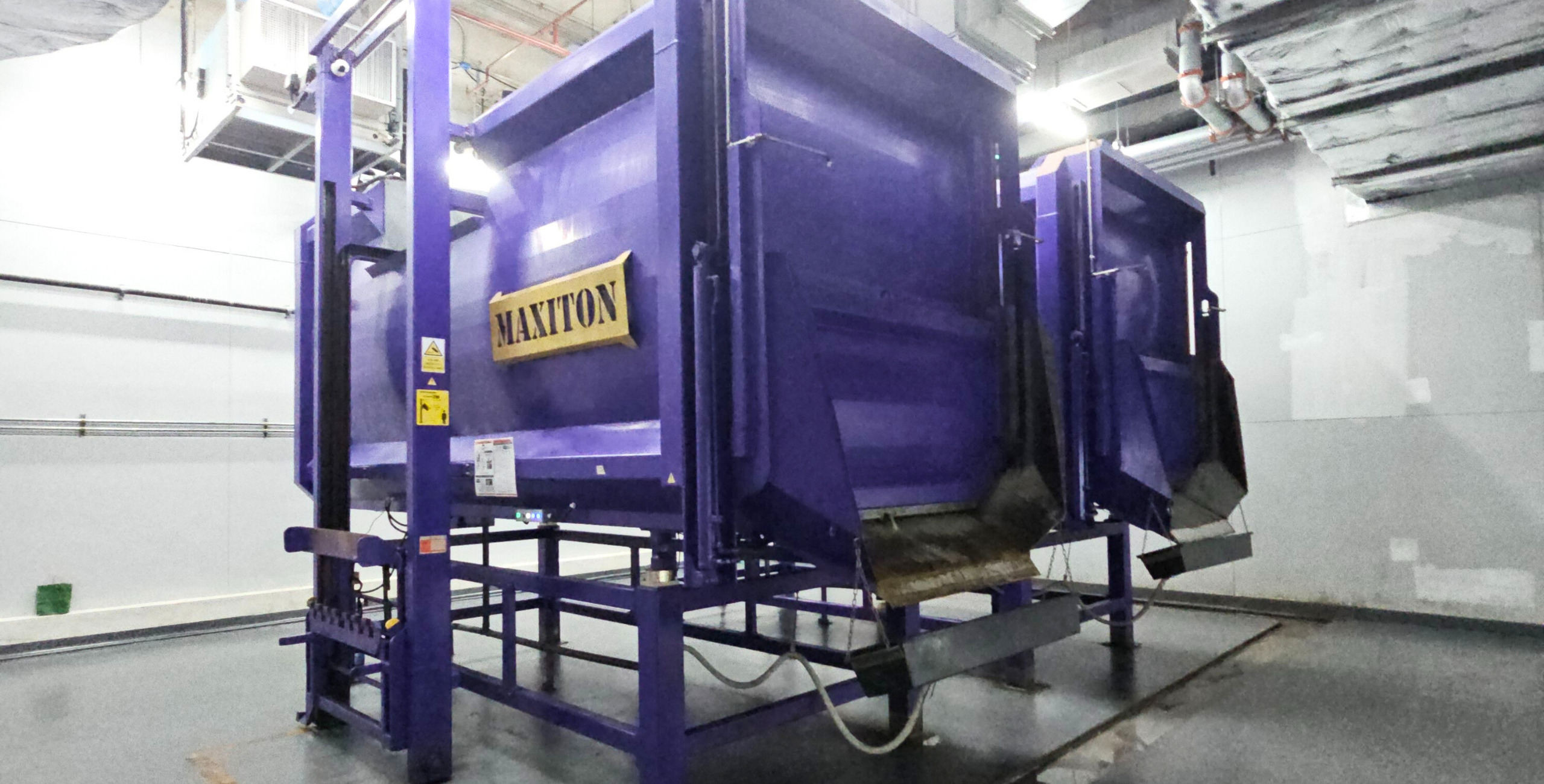
1. Stationary Compactors
– Best for high-volume waste generators
– The compaction unit stays in place while containers are swapped out
– Ideal for manufacturing, warehouses, and large retail locations
2. Self-Contained Compactors
– Compactor and container are sealed together
– Excellent for wet waste (food, organics)
– Commonly used by restaurants and grocery stores
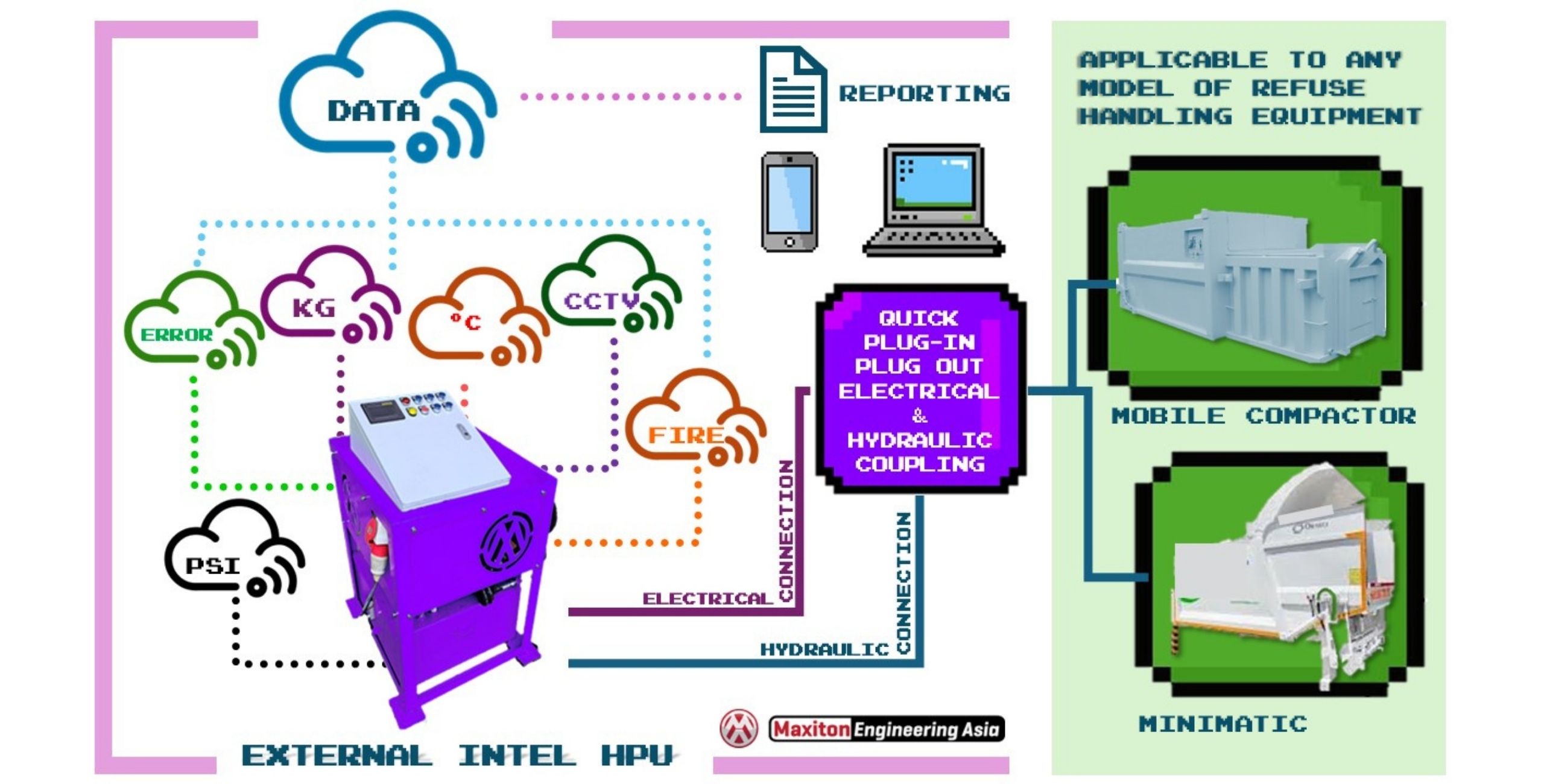
3. Mobile Compactors
– Waste collection and compaction in one unit
– Mobile compactors combine a compaction system and container into a single, transportable unit.
– On-site waste volume reduction. Waste is loaded directly into the compactor, where a hydraulic ram compresses material to reduce volume by up to 80%.
– Sealed containment
– Easy transportation
– Flexible placement
Why Businesses Use Waste Compactors
1. Lower Waste Disposal Costs. By reducing pickup frequency, businesses can significantly cut hauling and fuel charges.
2. Fewer Overflow and Odor Issues. Compactors prevent trash from piling up, helping maintain a cleaner, safer site, especially important for food-related businesses.
3. Improved Compliance and Safety. Contained, compacted waste reduces fire risk, pest issues, and violations related to overflowing dumpsters.
4. Better Use of Space. Compact waste takes up far less room than loose trash, freeing up valuable space on your property.
Common Pain Points Waste Compactors Solve
If any of these sound familiar, a waste compactor may be the solution:
1. Dumpsters filling up too quickly
2. Paying for frequent waste pickups
3. Messy, unsanitary waste areas
4. Limited space for waste storage
5. Growing waste volumes as your business scales
A properly sized waste compactor helps you stay ahead of these issues instead of constantly reacting to them.
Are Waste Compactors Right for Your Business?
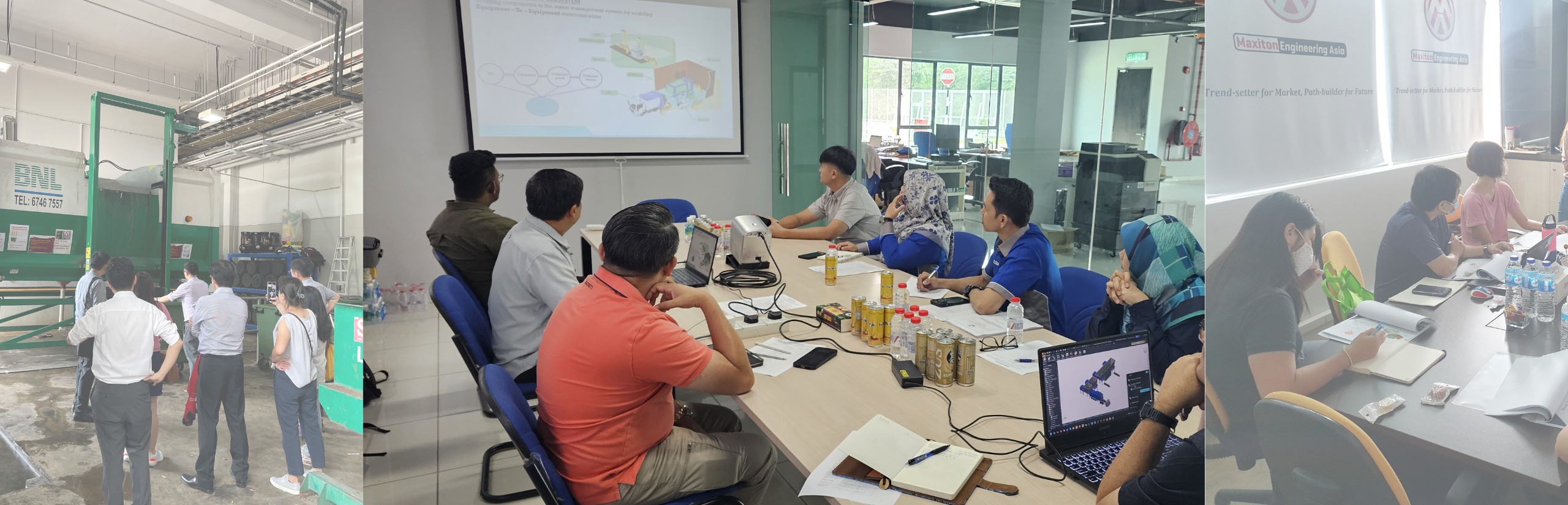
Waste compactors are most cost-effective for businesses that generate consistent or high volumes of waste. If you’re unsure, a waste assessment can help determine:
1. The right compactor size
2. Expected cost savings
3. Whether renting or purchasing makes more sense
Understanding how waste compactors work is the first step toward smarter, more efficient waste management. By reducing waste volume, cutting costs, and improving cleanliness, compactors help businesses run smoother while supporting sustainability goals.
If your current waste setup feels inefficient or expensive, it may be time to consider a compactor solution designed around your needs.
Looking to find the most suitable waste compactors for your site? Contact us to utilise our team’s waste management equipment experience and engineering consultancy to find the right fit for your business.