Efficient waste management is a growing priority for businesses, municipalities, and industrial facilities. As waste volumes increase, managing trash using traditional bins alone becomes inefficient, costly, and unsanitary. This is where waste compactors come in.
But how do waste compactors work, and why are they such an important tool in modern waste management systems? In this guide, we’ll break down how waste compactors and bin compactors operate, the different types available, and the benefits they offer.
What Are Waste Compactors?
Waste compactors are machines designed to compress waste materials, reducing their volume significantly. By applying mechanical force, these systems compact trash into smaller, denser loads that take up less space.
Compactors are widely used in:
– Commercial buildings
– Manufacturing plants
– Retail stores
– Hospitals
– Apartment complexes
– Municipal waste management facilities
The primary goal of a waste compactor is simple: reduce waste volume to improve efficiency, hygiene, and cost savings.
The Basic Principle Behind Waste Compactors
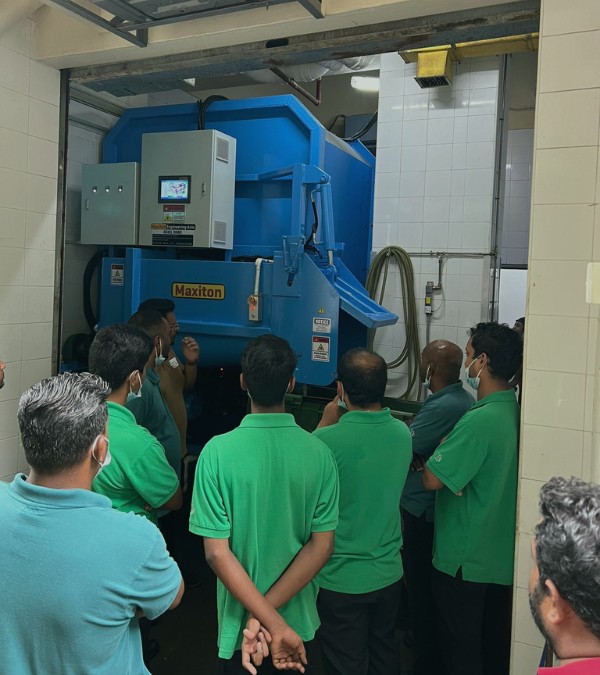
At their core, waste compactors work by applying pressure to waste materials. This pressure forces air out of the waste, compressing it into a smaller volume.
Most waste compactors operate using:
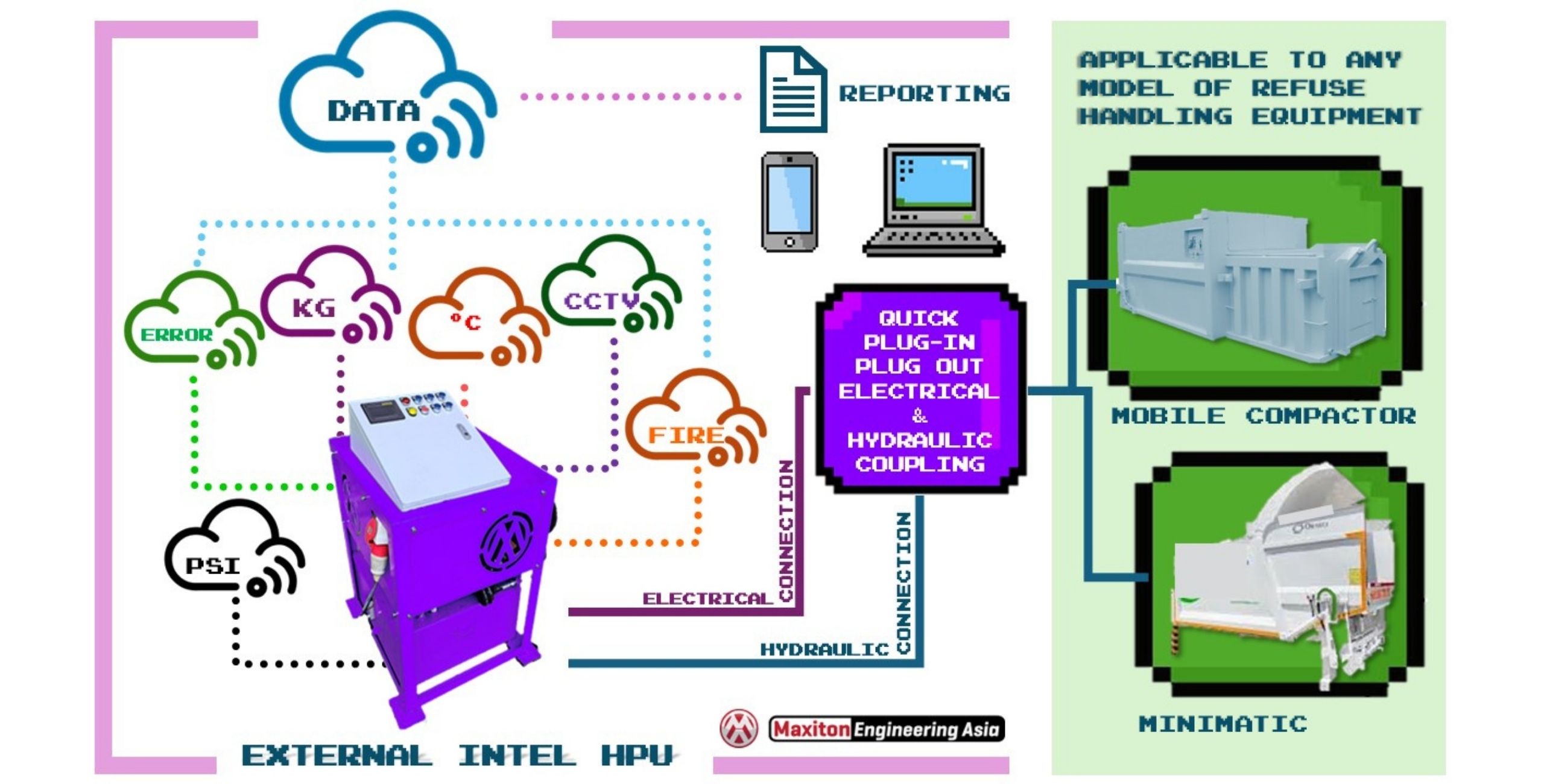
– Hydraulic systems
– Electric motors
– Mechanical rams or plates
The compacted waste is then stored in a container or bin until it is collected for disposal or recycling.
Step-by-Step: How Do Waste Compactors Work?
1. Waste Loading
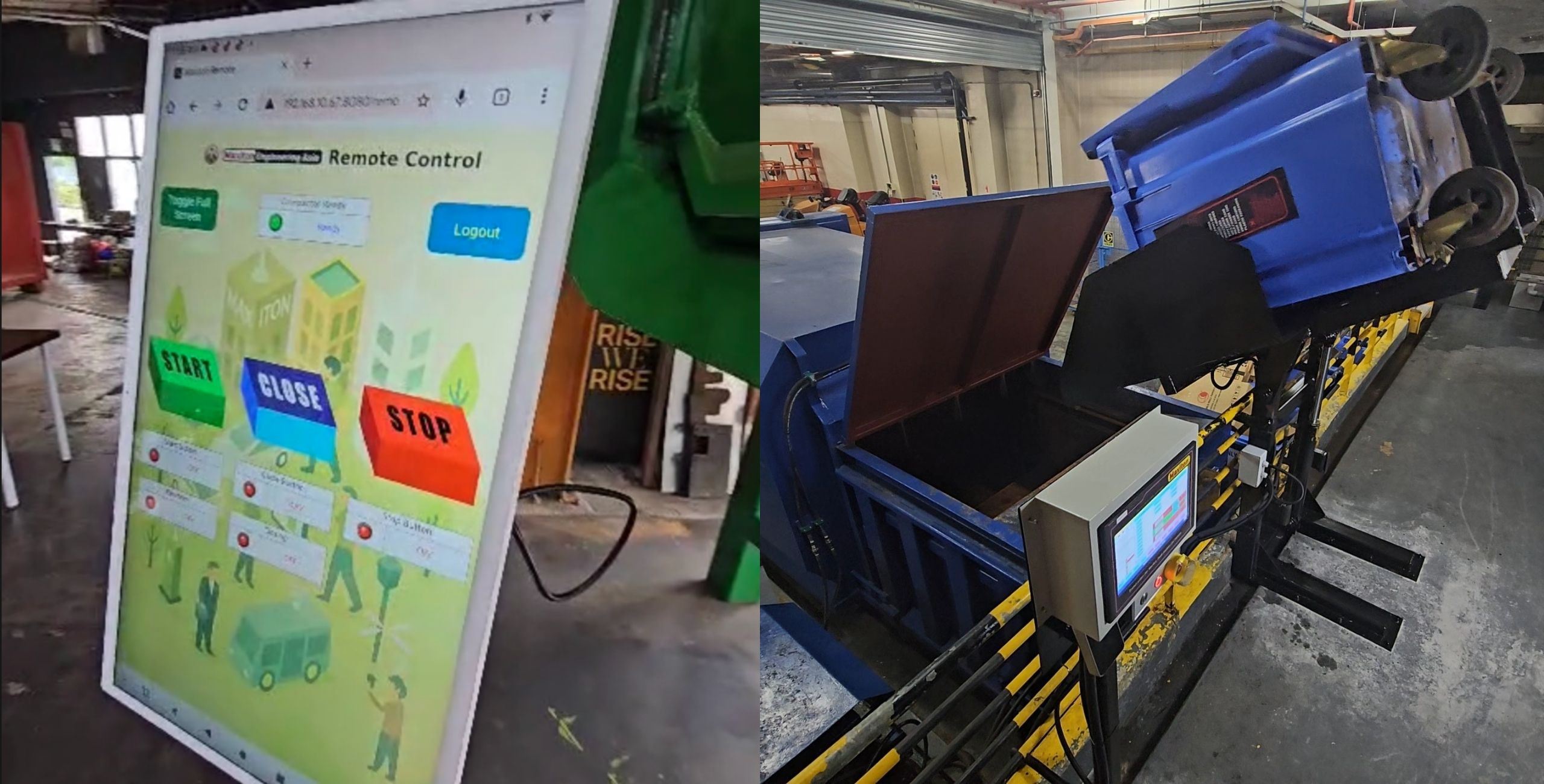
Waste is placed into the compactor through an opening, chute, or hopper. This can be done manually or automatically, depending on the type of waste compactor.
For bin compactors, waste is typically deposited directly into a wheeled bin or container that sits inside the compactor housing.
2. Compaction Process
Once waste is loaded, the compaction cycle begins. A powerful ram or platen moves forward, compressing the waste against the container walls.
Hydraulic pressure plays a key role here. It allows the compactor to exert enough force to compress cardboard, plastic, general waste, and other materials efficiently.
3. Volume Reduction
As pressure is applied:
1. Air pockets are eliminated
2. Waste density increases
3. Volume is reduced by up to 80% in many cases
This reduction is what makes waste compactors so effective for large-scale waste management operations.
4. Storage of Compacted Waste
After compaction, the compressed waste remains in the bin or container. The compactor can repeat this process multiple times until the container is full.
Once full, the compacted waste is collected and transported to a landfill, recycling facility, or waste processing plant.
Types of Waste Compactors
Stationary Waste Compactors
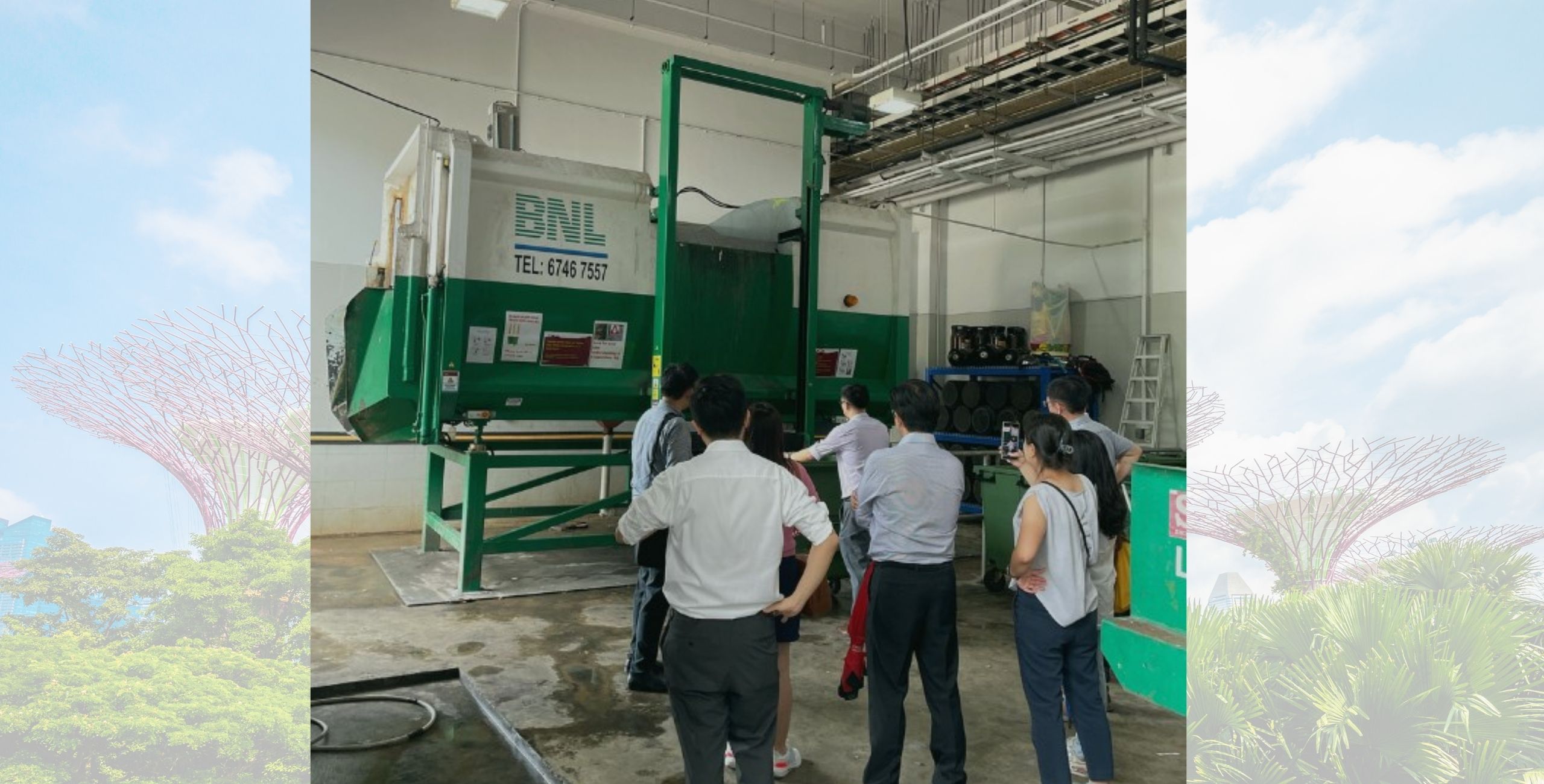
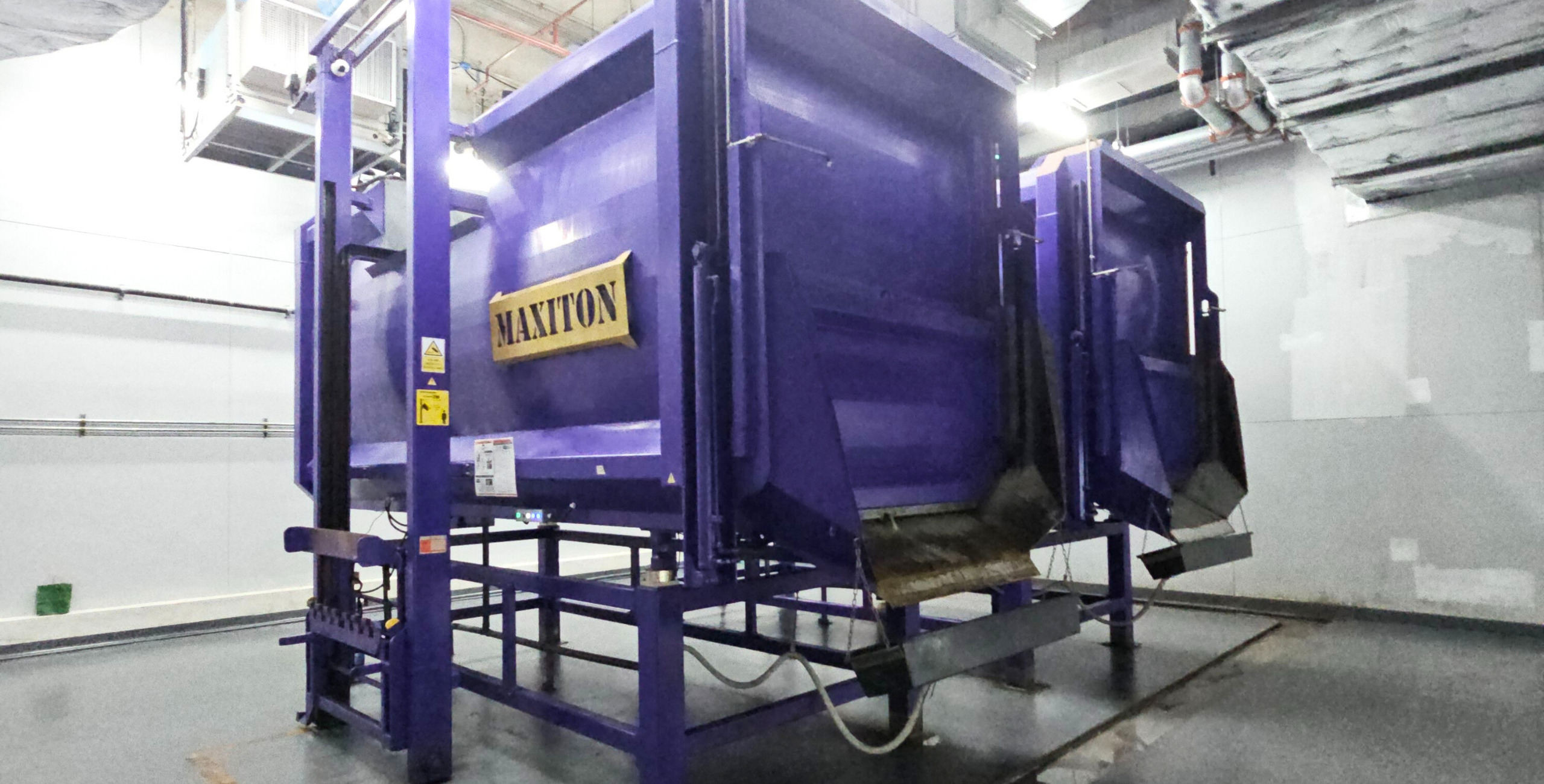
Stationary compactors remain fixed in one location and are commonly used in industrial or high-volume waste environments. Waste is compacted into detachable containers that are hauled away when full.
Mobile Waste Compactors
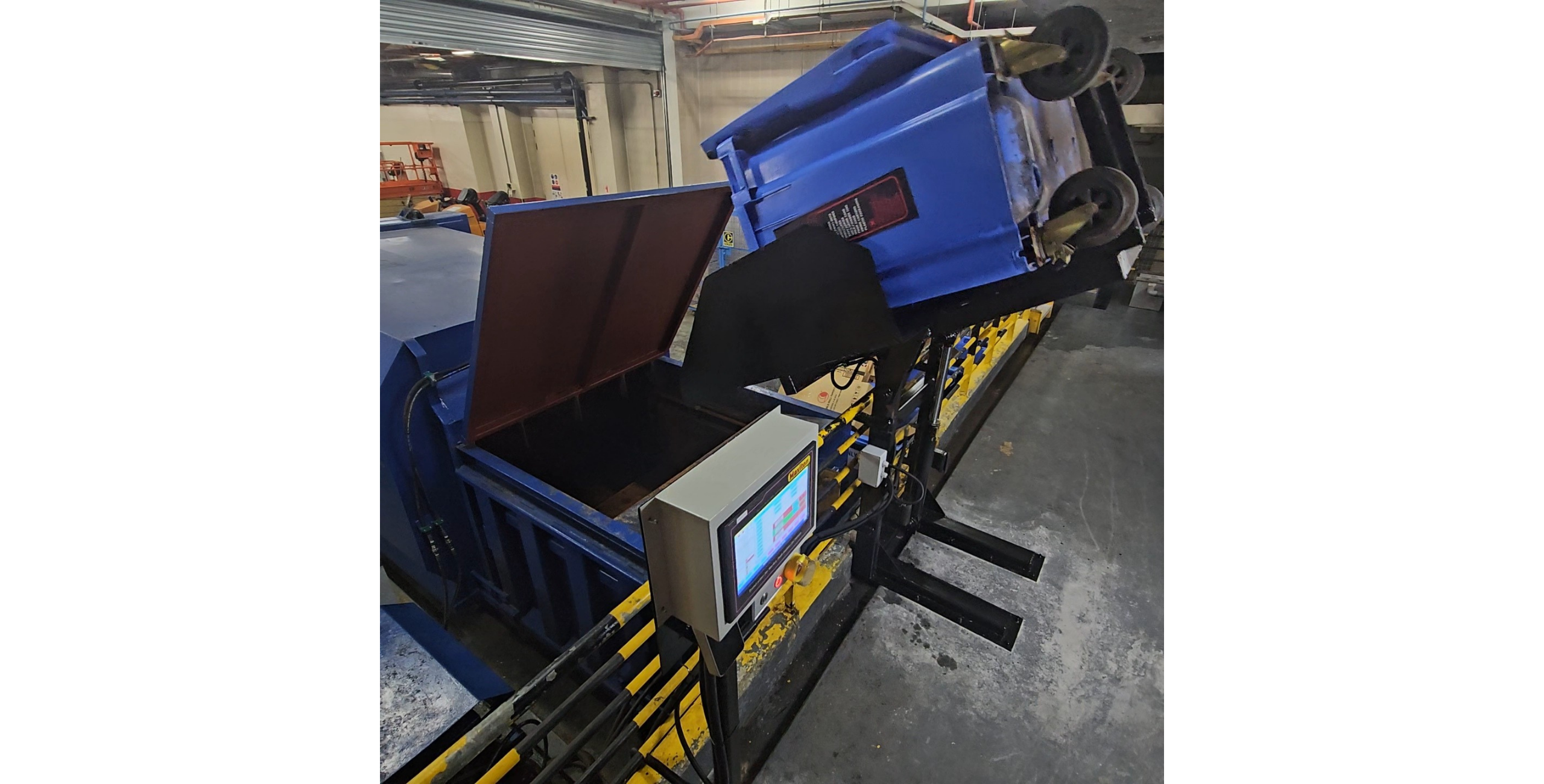
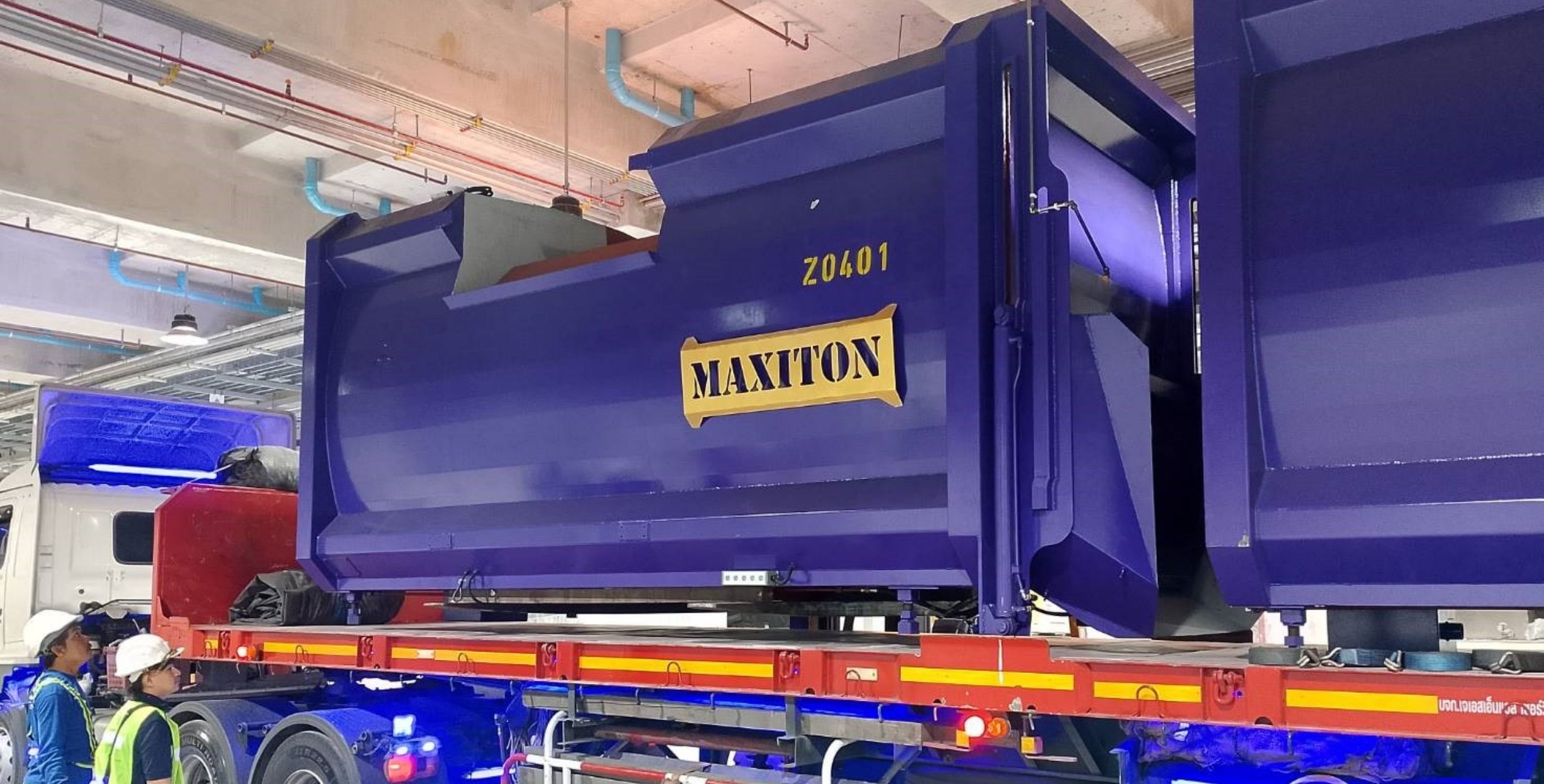
Portable compactors combine the compactor and container into one unit. These are ideal for smaller businesses or sites with limited space.
Why Waste Compactors Matter in Waste Management
1. Reduced Collection Costs
By compacting waste, fewer collections are needed. This directly reduces transportation costs and waste disposal fees.
2. Improved Hygiene and Safety
Compacted waste:
– Takes up less space
– Produces fewer odors
– Attracts fewer pests
This makes waste compactors ideal for environments where cleanliness is critical.
3. Environmental Benefits
Efficient waste management with compactors helps:
– Reduce fuel consumption from waste trucks
– Lower carbon emissions
– Improve recycling efficiency
Using waste compactors supports more sustainable waste management practices.
4. Space Optimization
In urban and commercial environments, space is valuable. Waste compactors and bin compactors help keep waste areas organized and uncluttered.
What Materials Can Be Compacted?
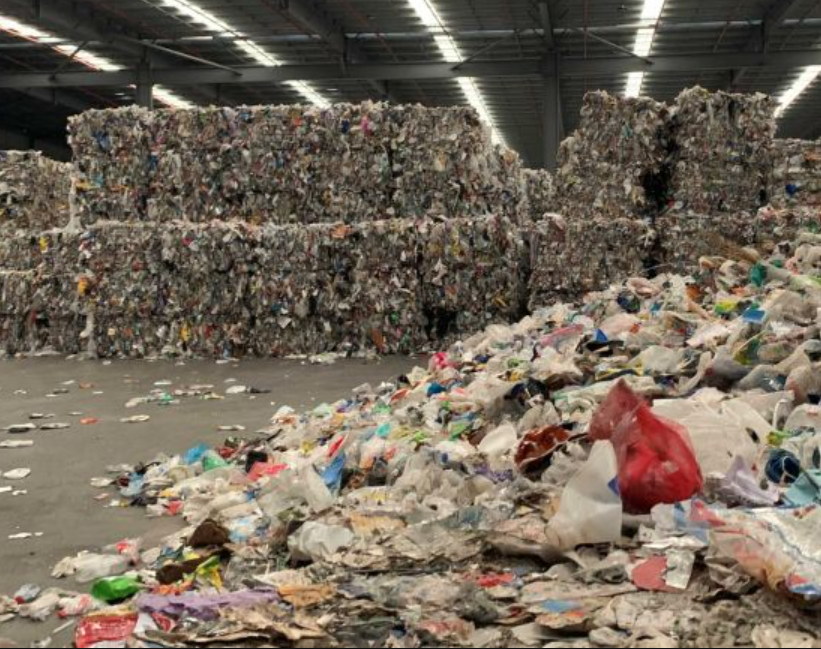
Most waste compactors can handle:
– General waste
– Cardboard and paper
– Plastics
– Packaging materials
Some specialized compactors are designed for specific waste streams, making them an essential part of customized waste management solutions.
Understanding how waste compactors work helps businesses and organizations make smarter decisions about their waste management systems. By reducing waste volume, improving hygiene, and cutting costs, waste compactors play a vital role in modern, sustainable waste management.
Whether you’re managing a commercial facility, industrial site, or residential complex, investing in the right waste compactor can transform how you handle waste—making the process cleaner, greener, and more efficient.