As Singapore accelerates its sustainability efforts under the national Zero Waste Masterplan, businesses and property managers are under increasing pressure to improve efficiency while reducing operational costs.
From commercial buildings and shopping malls to industrial facilities and residential developments, effective waste management in Singapore has become a strategic priority rather than a back-end function. IoT-enabled smart waste compactors are transforming how organisations manage waste across multiple sites by offering real-time visibility, automation, and data-driven control.
In this article, we’ll explore how IoT works in smart waste compactors and why it’s becoming essential for waste management in Singapore.
1. What Is IoT in Smart Waste Management?
The Internet of Things (IoT) refers to a network of connected devices that collect and transmit data over the internet. Instead of relying on manual inspections, teams can instantly check which units are nearing capacity, which require servicing, and which are operating efficiently.
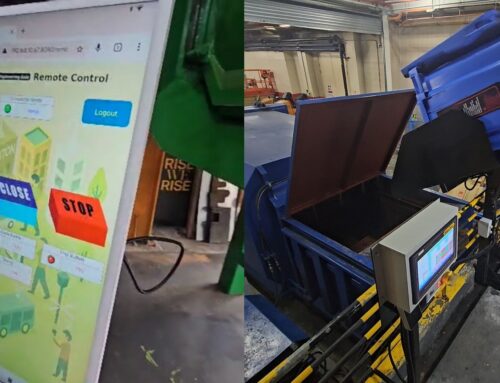
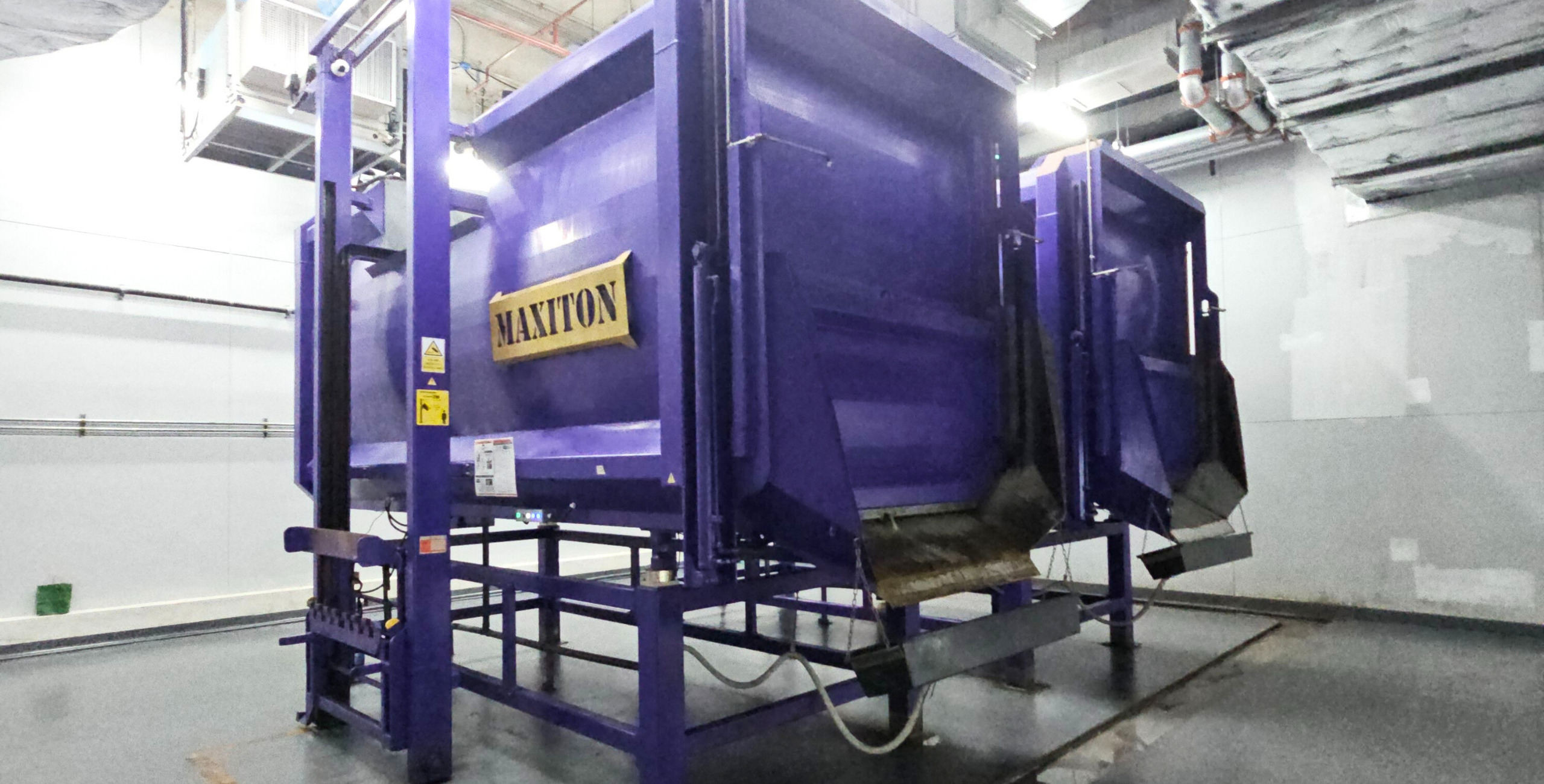
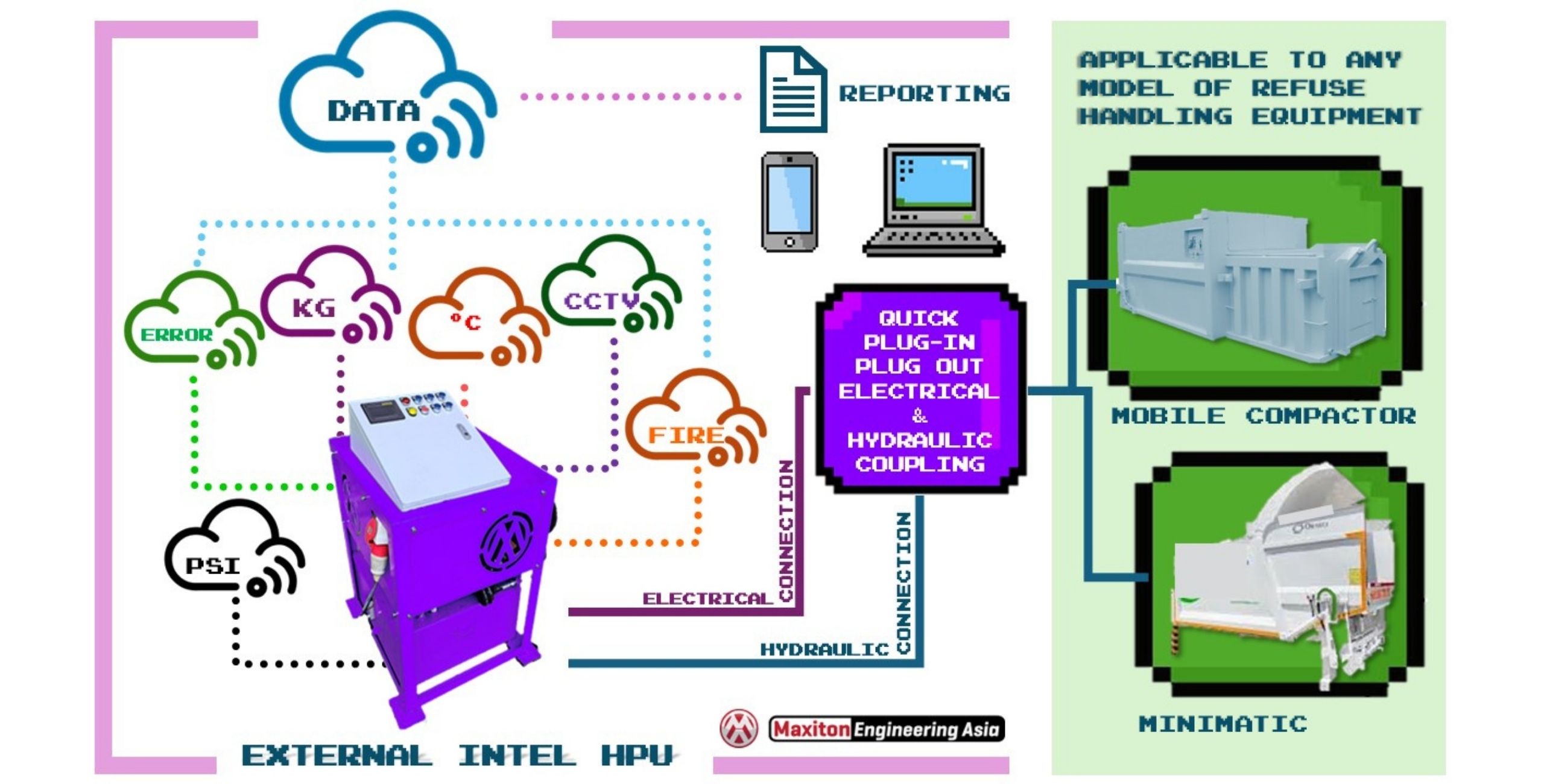
In modern waste management systems, smart waste compactors are equipped with advanced sensors that measure critical information that are transmitted to a central cloud-based platform, allowing facility managers to remotely monitor every compactor machine remotely in Singapore through a single dashboard.
In waste management, IoT-enabled compactors are fitted with:
– Fill-level sensors
– Weight sensors
– Door and safety sensors
– Real-time data transmission modules
How IoT Helps Manage Multiple Smart Waste Compactors
1. Real-Time Monitoring Across Multiple Locations
One of the most significant advantages of IoT waste management systems is real-time monitoring across multiple sites. For organisations managing properties in different parts of Singapore, such as CBD offices, industrial parks, or mixed-use developments, having full operational visibility improves decision-making and reduces unnecessary site visits. Managers can track waste volume trends, monitor equipment performance, and ensure timely waste disposal without physically being present at each location. This improves manpower allocation and enhances overall productivity.
2. Predictive Maintenance Reduces Downtime
Predictive maintenance is another critical benefit of smart waste compactors integrated with IoT technology. Traditional waste compactors require scheduled inspections, which can result in unexpected breakdowns. IoT-enabled systems use data analytics to detect unusual patterns such as:
– Motor overheating
– Hydraulic pressure irregularities
– Abnormal cycle frequency
With connected systems, data analytics can detect unusual patterns such as motor overheating, abnormal hydraulic pressure, or irregular compaction frequency. This allows preventive servicing before major failure occurs—critical for high-traffic areas in Singapore where downtime disrupts operations.
3. Optimised Waste Collection Scheduling

One of the biggest cost factors in commercial waste management in Singapore is unnecessary collection trips.
IoT smart compactors notify collectors only when bins are near full capacity. This means:
– Optimised collection trips
– Lower fuel costs
– Reduced carbon emissions
– Improved fleet management
Instead of scheduling fixed collection times regardless of bin capacity, smart compactors send alerts when they are approaching full capacity. This enables waste disposal companies to plan routes more efficiently, reducing unnecessary trips, fuel consumption, and operational costs. By lowering carbon emissions and improving fleet utilisation, businesses can align their operations with sustainability goals while maintaining efficient commercial waste management practices.
4. Centralised Control & Data Analytics
Centralised data analytics further enhances operational control. Through cloud-based platforms, IoT platforms provide:
– Automated performance reports
– Waste generation trends
– Peak usage analysis
– Site comparison reports
This insight helps property managers identify inefficiencies, adjust collection schedules, and implement recycling solutions in Singapore more effectively. Over time, these data-driven strategies contribute to cost savings and improved environmental performance.
5. Improved Workplace Safety
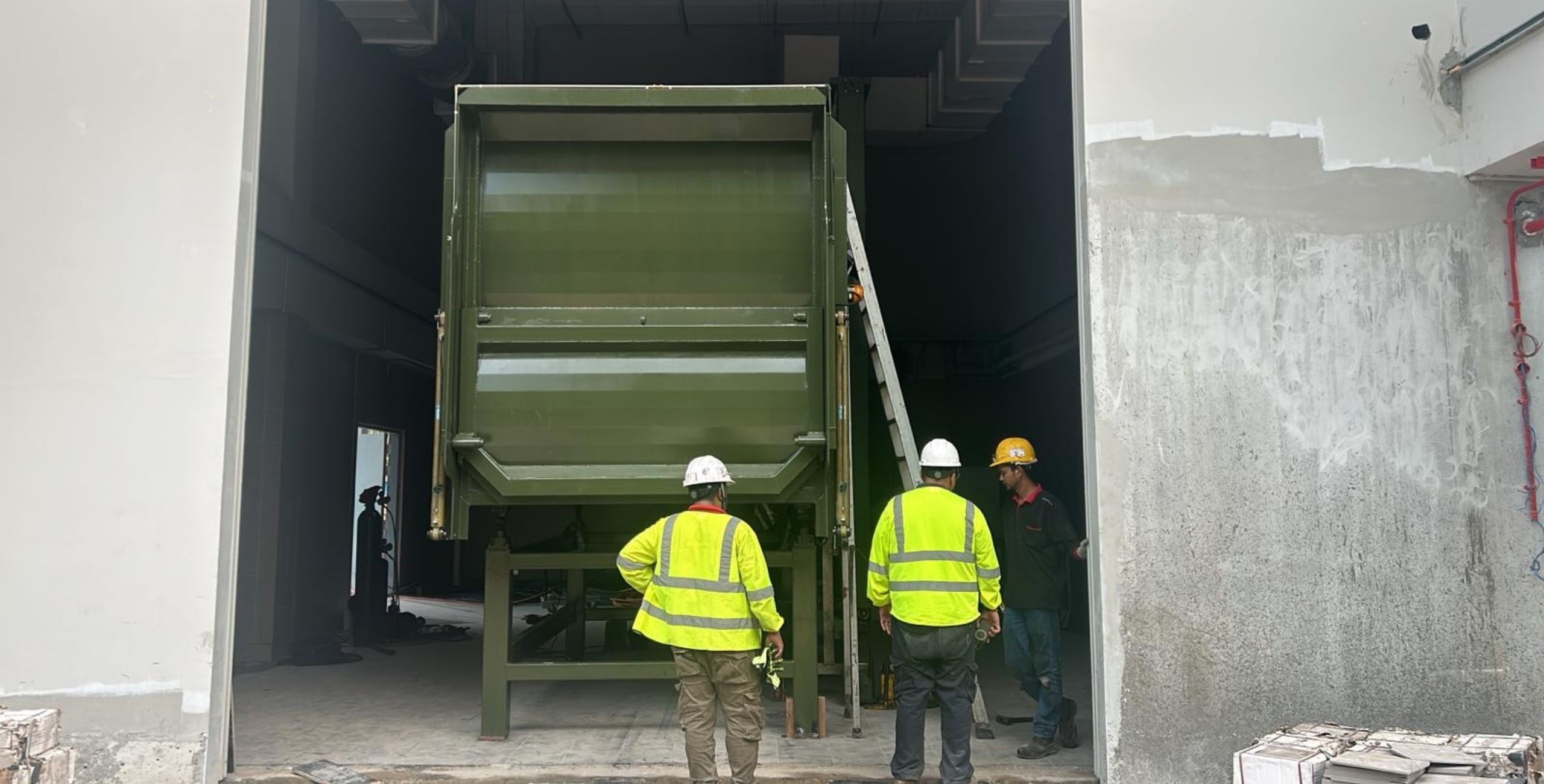
Workplace safety and hygiene are also improved through IoT-enabled garbage compactors in Singapore. Real-time monitoring ensures that waste is compacted and removed before overflow occurs.
Overflowing waste bins create hygiene and safety hazards. IoT monitoring ensures:
– Timely waste disposal
– Prevention of overflow
– Reduced pest infestation risk
– Safer working environments
In food establishments and commercial kitchens, this supports compliance with regulations set by the National Environment Agency. Maintaining proper waste handling standards not only protects public health but also enhances brand reputation.
Why Smart Waste Compactors Are Growing in Singapore
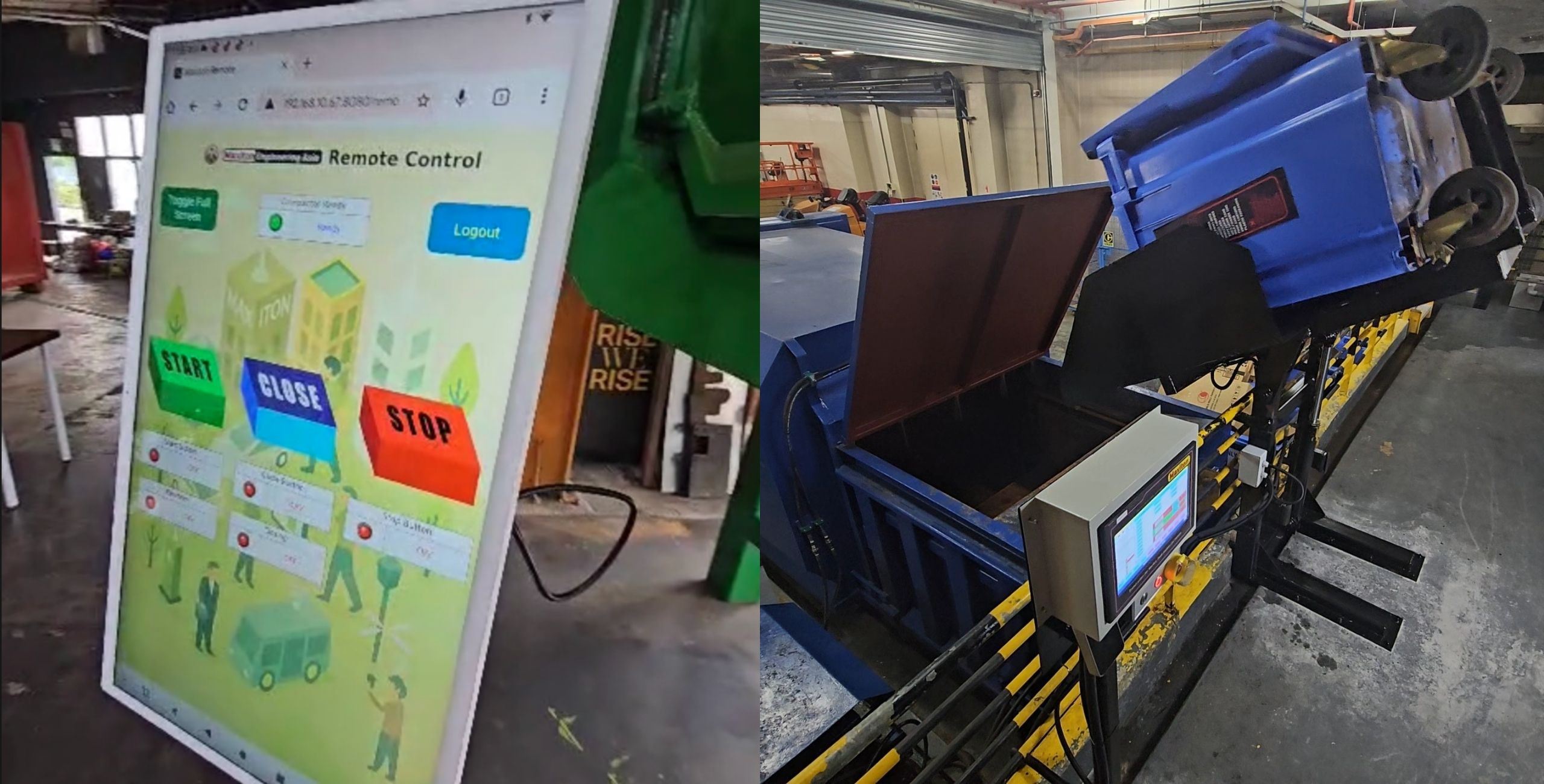
The growing adoption of smart waste compactors is closely linked to Singapore’s land scarcity and long-term waste challenges. With limited landfill space at Semakau Landfill, reducing waste volume through efficient compaction has become essential. By compressing waste significantly before disposal, industrial and commercial facilities can minimise storage space requirements and reduce the frequency of waste collection. This contributes to extending landfill lifespan while lowering operational expenses.
As Singapore advances toward becoming a smart nation, integrating IoT waste management solutions is no longer just a technological upgrade but a strategic investment. Businesses that adopt smart waste compactors benefit from improved operational visibility, lower labour costs, optimised waste collection schedules, enhanced safety compliance, and long-term sustainability gains. For organisations managing multiple properties, IoT provides the ability to oversee every compactor machine from a single platform, transforming waste management in Singapore into a streamlined, intelligent, and cost-effective system.
Companies seeking a reliable compactor machine supplier in Singapore should prioritise solutions that offer IoT integration, local technical support, and compliance with regulatory standards. By investing in connected industrial waste compactors, businesses can future-proof their operations while contributing to Singapore’s broader environmental objectives.