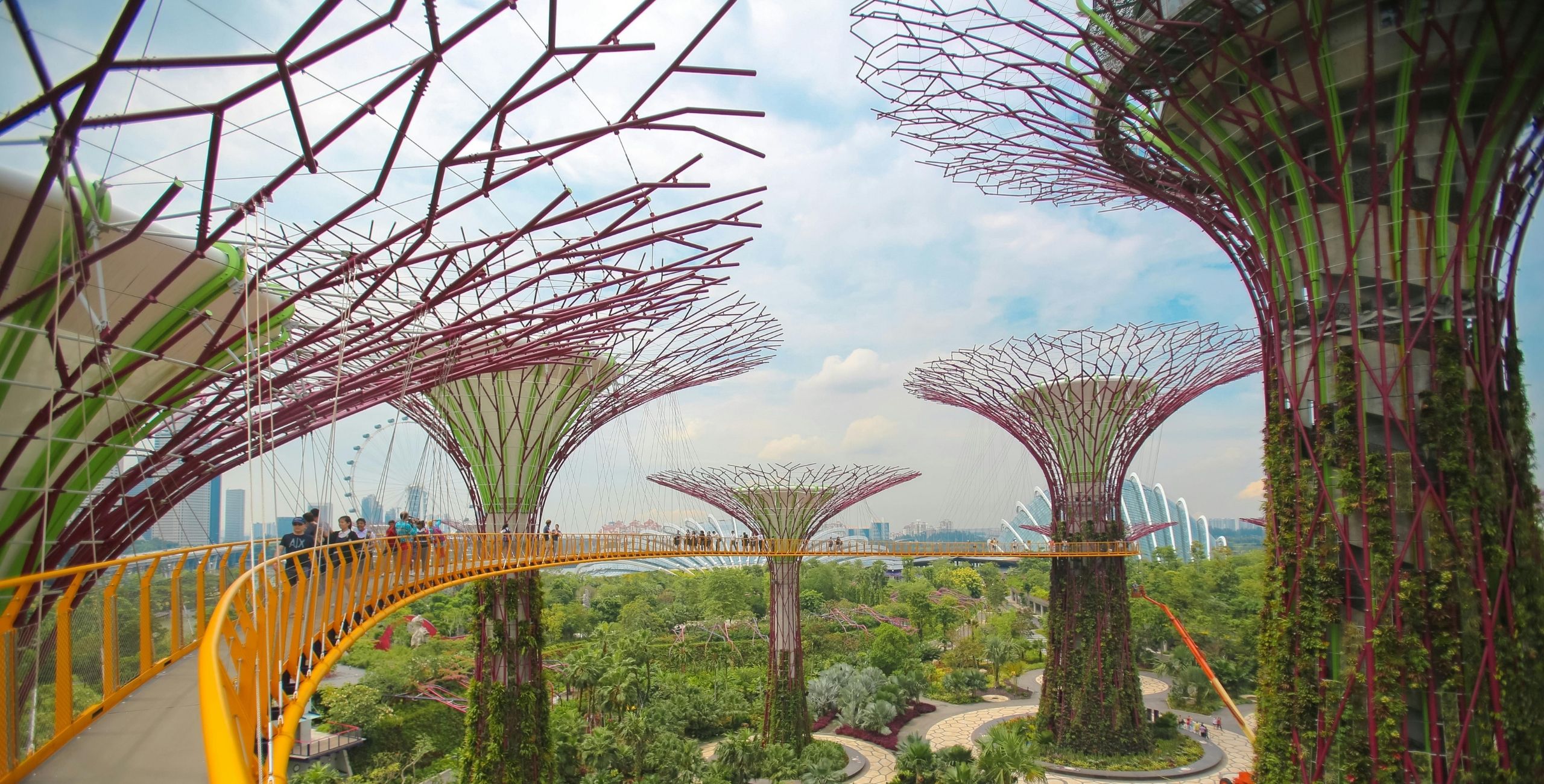
As Singapore continues to push toward becoming a cleaner, smarter, and more sustainable city, businesses are under increasing pressure to optimize their waste management processes. From commercial buildings and hospitals to malls and industrial facilities, traditional waste collection methods are no longer efficient or cost-effective.
This is where smart waste compactors in Singapore are transforming how organizations manage waste, helping them increase efficiency and reduce costs while supporting national sustainability goals.
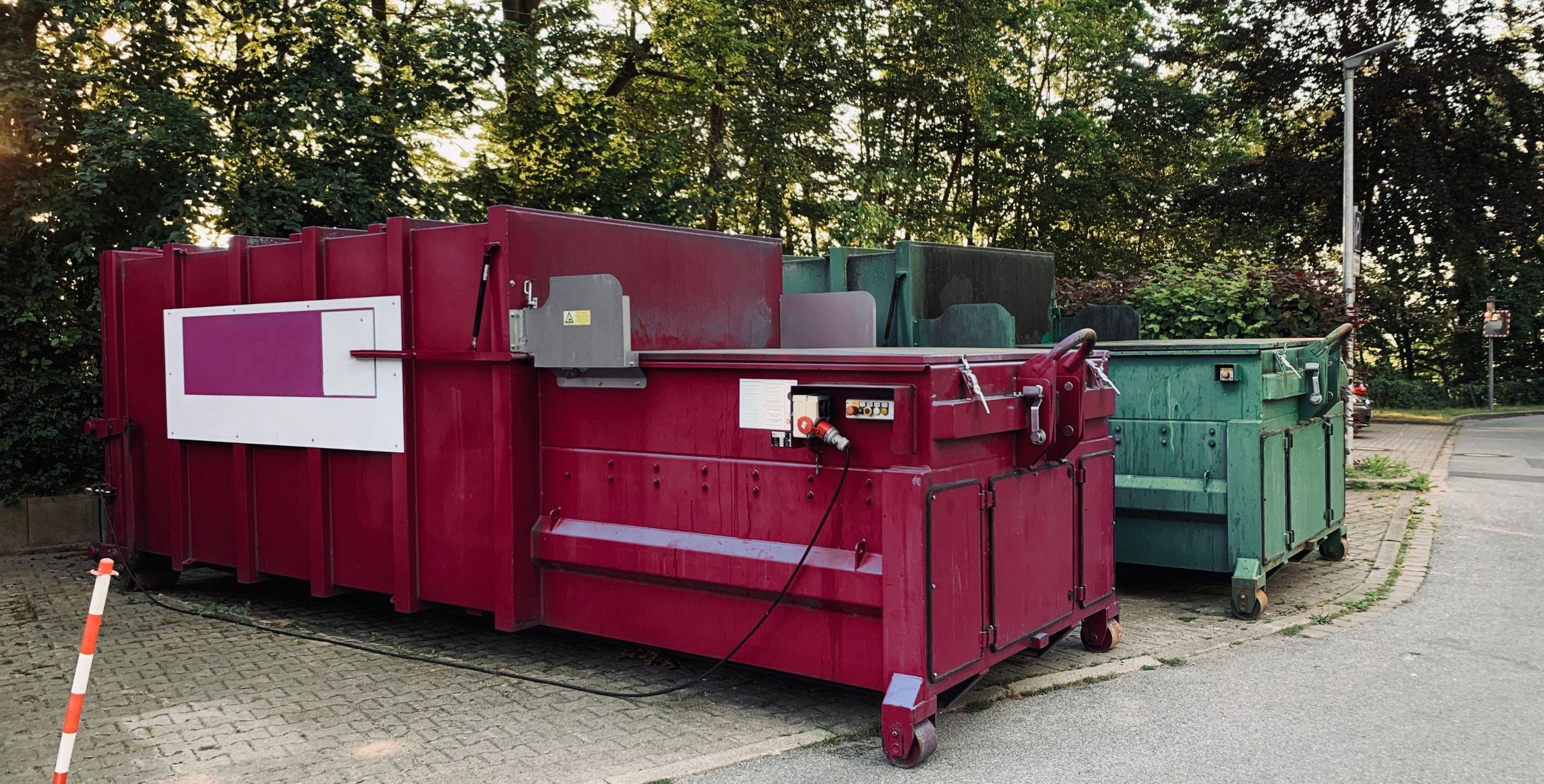
The Challenge of Traditional Waste Management
Conventional waste bins fill up quickly and require frequent, fixed-schedule collections. This leads to:
1. Overflowing bins and hygiene issues
2. Unnecessary collection trips
3. Higher labor and fuel costs
4. Inefficient use of limited space
In a land-scarce country like Singapore, these inefficiencies quickly add up, causing pile-ups in waste chutes, which eventually affects the residents’s lives negatively.
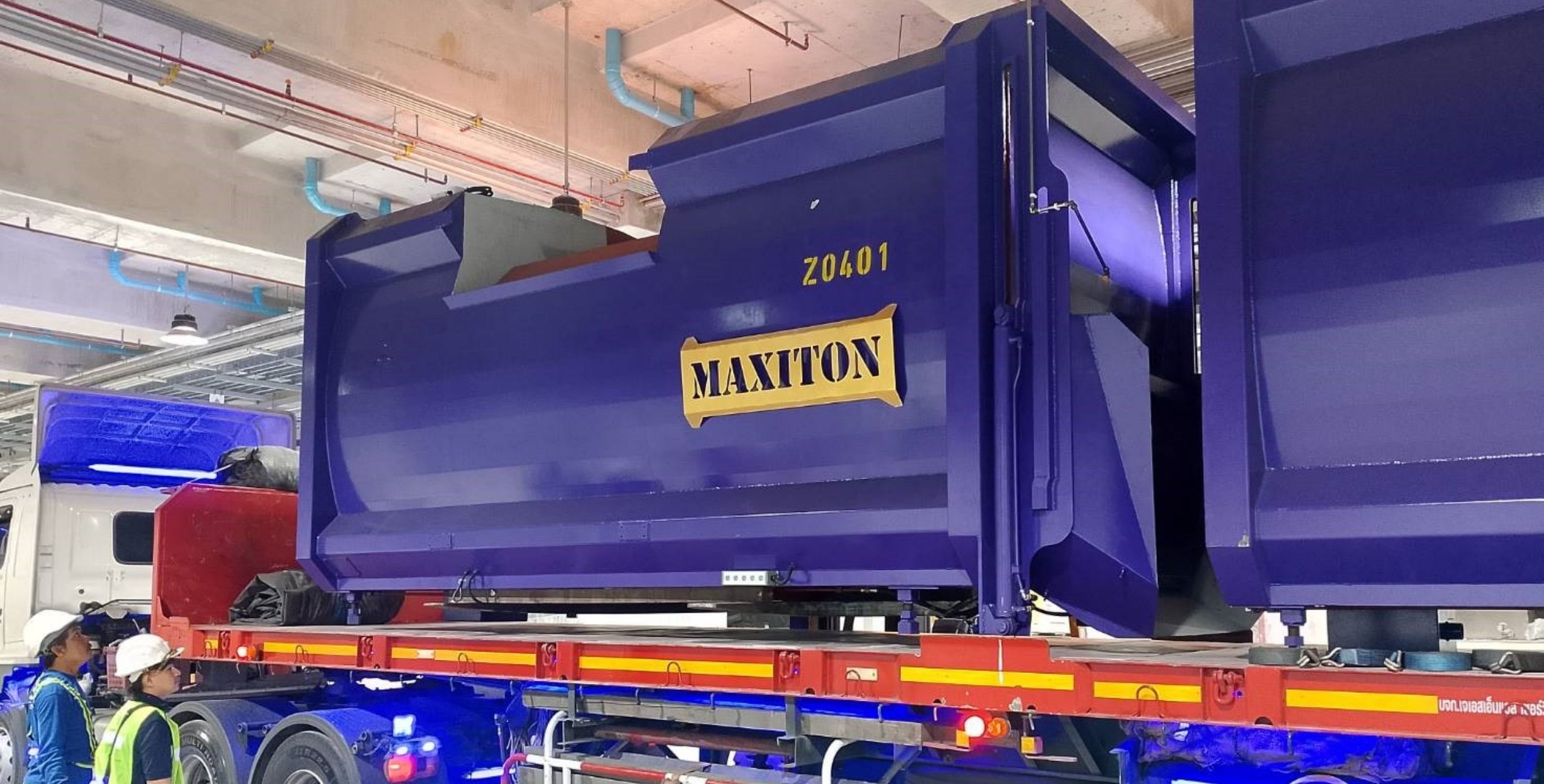
What Are Smart Waste Compactors?
Smart waste compactors are advanced waste bins that:
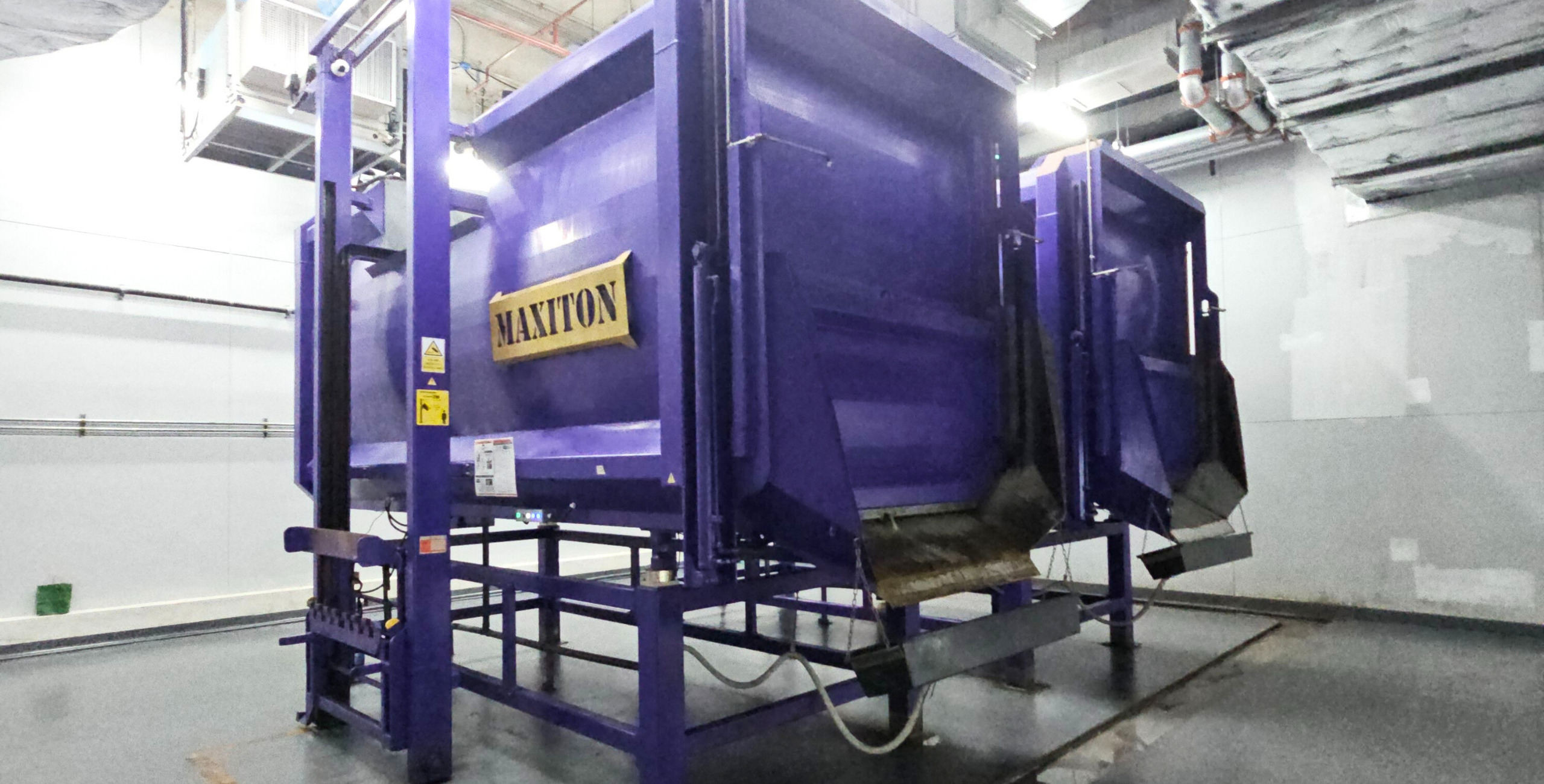
1. Compress waste using internal compaction mechanisms
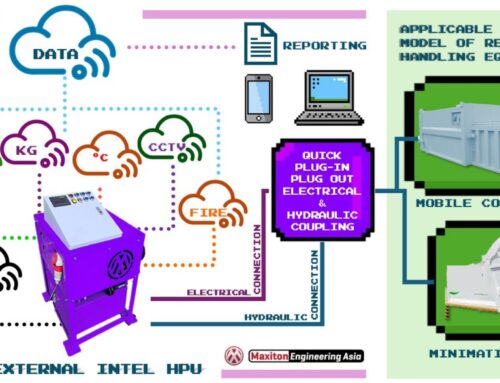
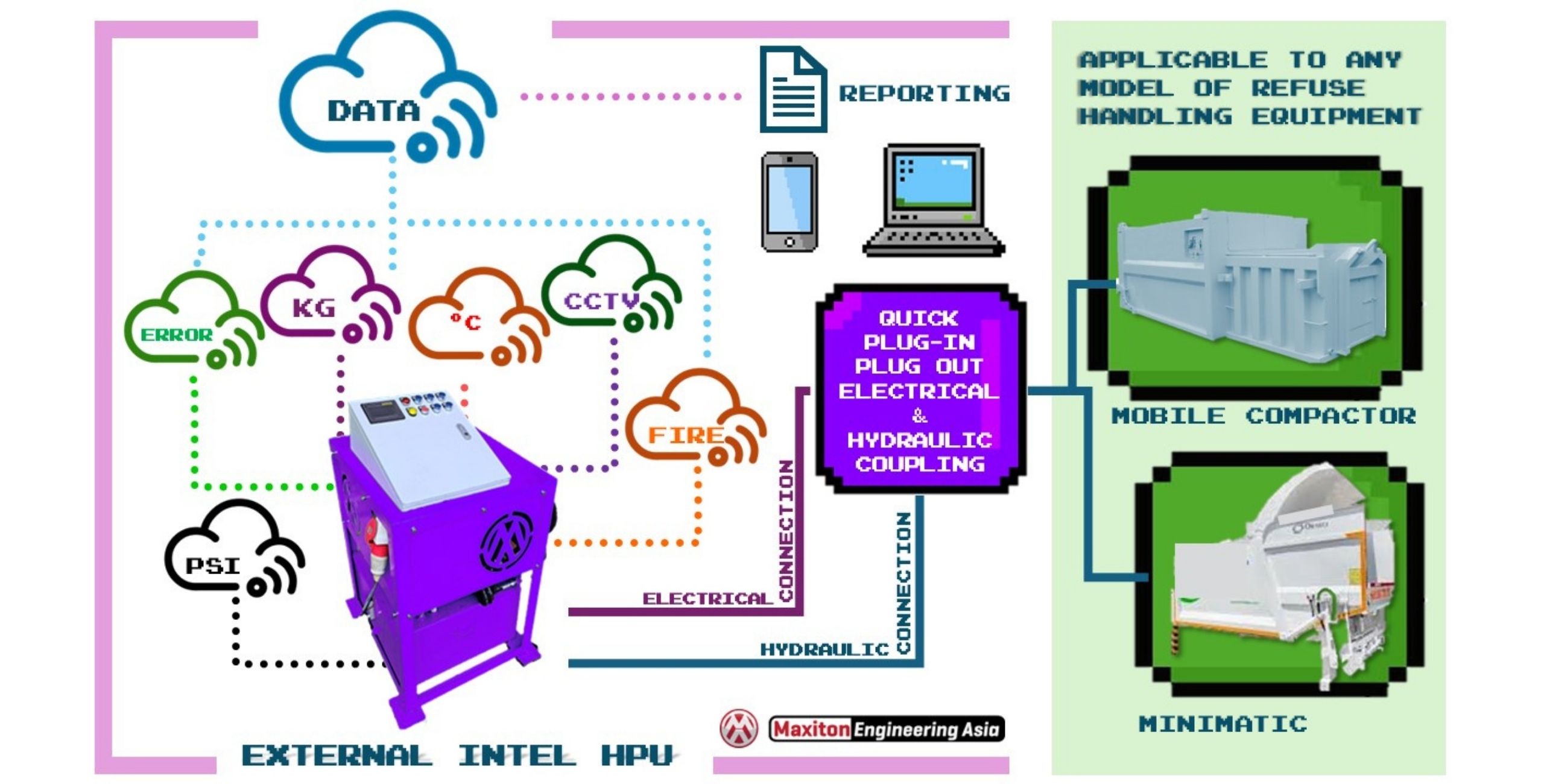
2. Monitor fill levels using sensors
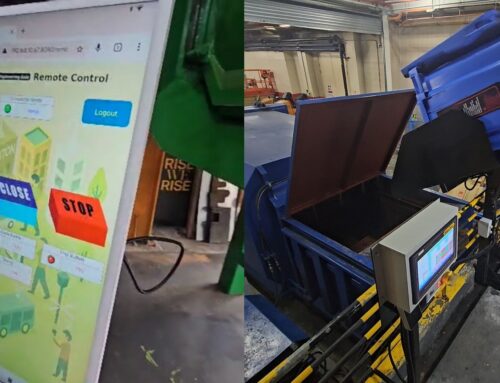
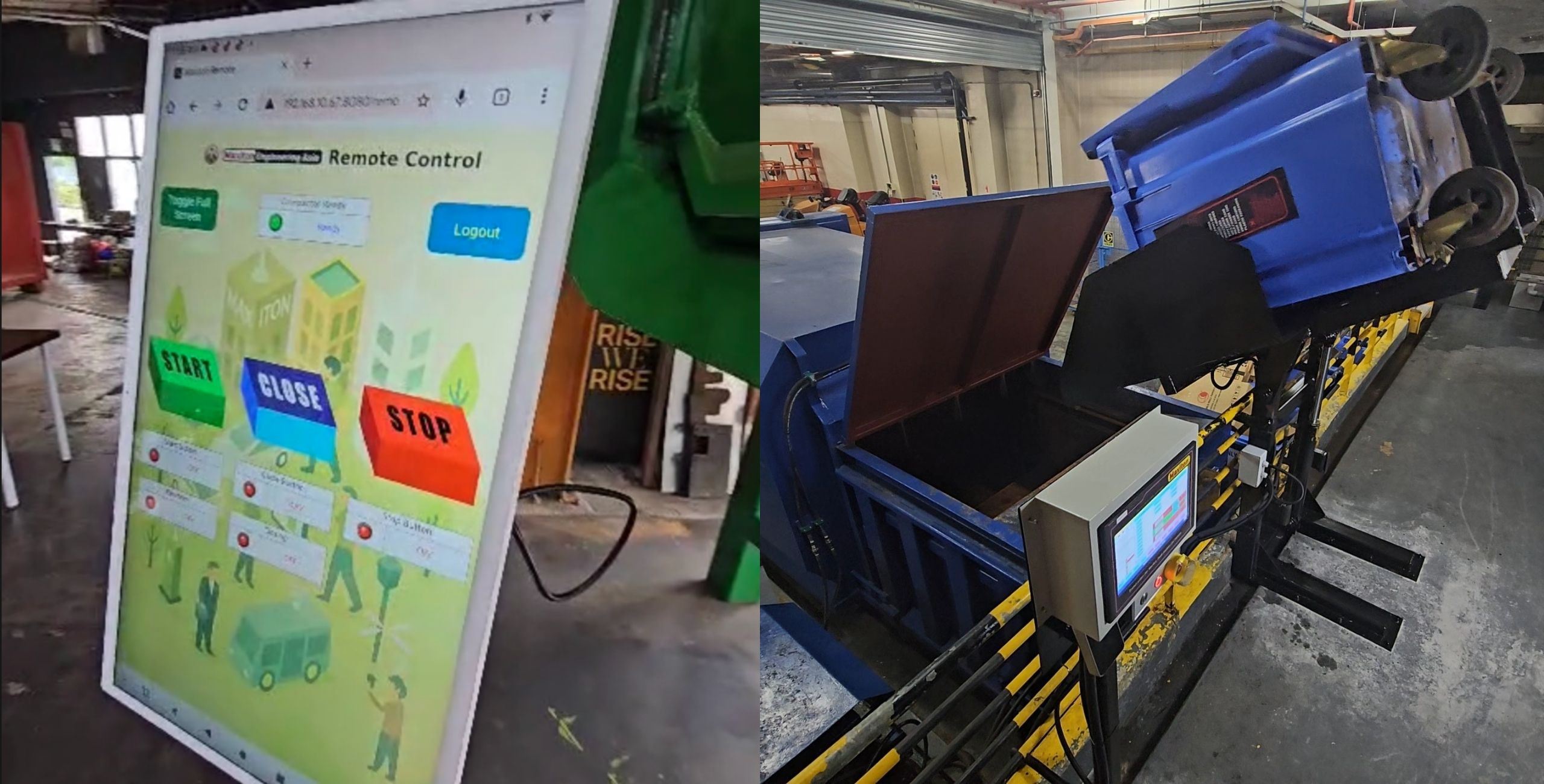
3. Transmit real-time data via Internet of Things (IoT) technology
4. Trigger waste collection only when necessary
Some models are solar-powered, making them ideal for both indoor and outdoor deployment.
How Smart Waste Compactors Increase Efficiency
1. Maximize Bin Capacity Without Using More Space
Smart compactors can hold up to 5–8 times more waste than standard bins. This means:
1. Fewer bins needed on-site
2. Better use of valuable floor or outdoor space
3. Reduced clutter in high-traffic areas
This is especially beneficial for commercial buildings, healthcare facilities, and transport hubs.
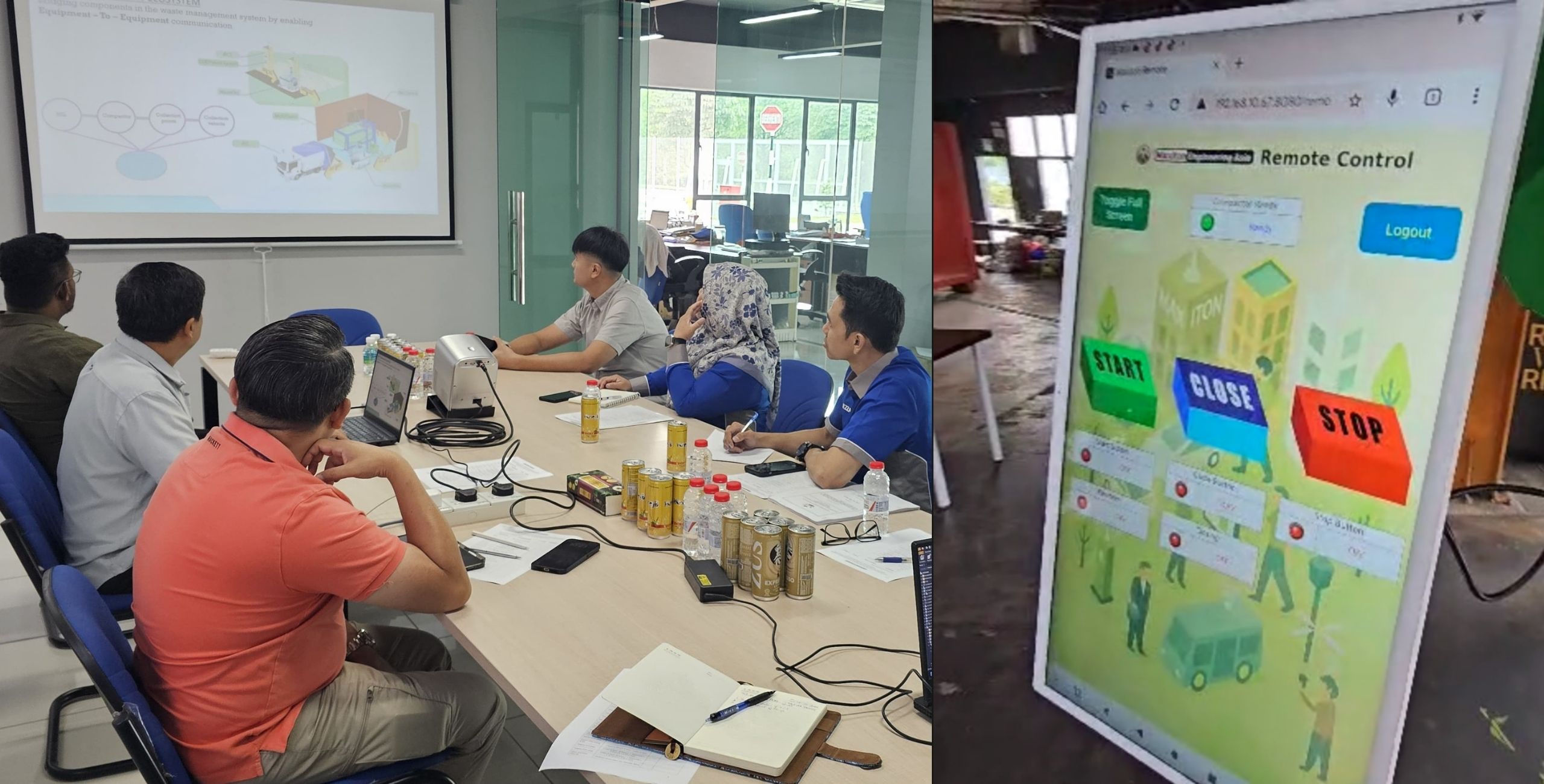
2. Smarter Collection Scheduling
With real-time fill-level monitoring:
1. Waste is collected only when bins are full
2. Unnecessary trips are eliminated
3. Collection routes are optimized
This results in smoother operations and less disruption to daily business activities.
3. Data-Driven Waste Management Decisions
Smart waste compactors generate valuable data such as:
1. Waste volume trends
2. Peak disposal times
3.High-waste locations
These insights allow facility managers to improve bin placement, reduce waste generation, and plan more efficiently.
How Smart Waste Compactors Reduce Costs
1. Lower Collection and Transportation Costs
By reducing the number of collections:
1. Fewer trucks are deployed
2. Fuel consumption decreases
3. Labor costs are significantly reduced
Many organizations see operational savings of 30–50% after switching to smart compactors.
2. Reduced Maintenance and Cleaning Expenses
Sealed compaction systems help:
1. Prevent overflowing waste
2. Reduce odors and pest issues
3. Maintain cleaner environments
Trackable waste compaction systems help:
1. Reduce risks of breakdown with preventive maintenance
2. Reduce breakdown time and costs with IoT detection and notification
3. Increase resident/ tenant’s satisfactory with reduced waste management equipment breakdowns
This lowers the need for frequent cleaning and reactive maintenance.
3. Improved Recycling and Sustainability Outcomes
Smart compactors can be configured for:
1. General waste
2. Recyclables
3. Specific waste streams
4. Tenant tracking system for a fairer waste management charging system
5. Waste tracking to help achieve sustainability goals
Cleaner segregation leads to better recycling rates and lower landfill costs—supporting Singapore’s long-term environmental targets.
Why Smart Waste Compactors Make Sense in Singapore
Singapore’s focus on smart city solutions and sustainability makes smart waste compactors a natural fit. They support:
1. Cleaner public and commercial spaces
2. Reduced carbon emissions
3. More efficient resource use
4. Corporate ESG and sustainability goals
5. Advancement to a technology-enabled society
For businesses, this means better compliance, stronger brand reputation, and measurable cost savings.
Conclusion: A Smarter Way to Manage Waste
Investing in smart waste compactors in Singapore is no longer just an environmental decision—it’s a strategic business move. By modernizing waste management, organizations can increase efficiency and reduce costs while contributing to a cleaner, smarter city.
If you’re looking to future-proof your waste management operations, Maxiton Engineering Asia offer a proven, scalable solution.