If your waste collection area is overflowing, pickups feel too frequent (and expensive), or your site just never looks as clean as it should, you’re not alone. These are some of the most common waste challenges businesses face—and they’re exactly why waste compactors exist.
In this guide, we’ll break down what waste compactors are, how they work, and why so many businesses rely on them to reduce costs, improve cleanliness, and simplify waste management.
What Is a Waste Compactor?
A waste compactor is a machine designed to compress waste materials, reducing their volume before disposal. By compacting trash, businesses can fit significantly more waste into a single container, sometimes up to 5–10 times more than loose trash.
Waste compactors are commonly used by:
1. Retail stores
2. Restaurants and grocery stores
3. Warehouses and distribution centers
4. Manufacturing facilities
5. Office buildings and multi-tenant properties
How Do Waste Compactors Work?
While designs vary, most waste compactors follow the same basic process:
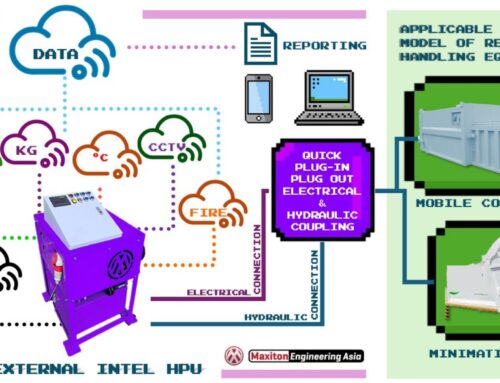
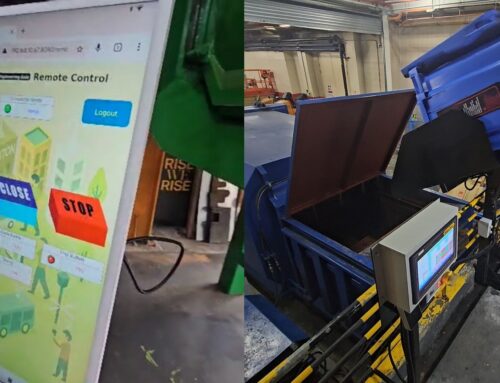
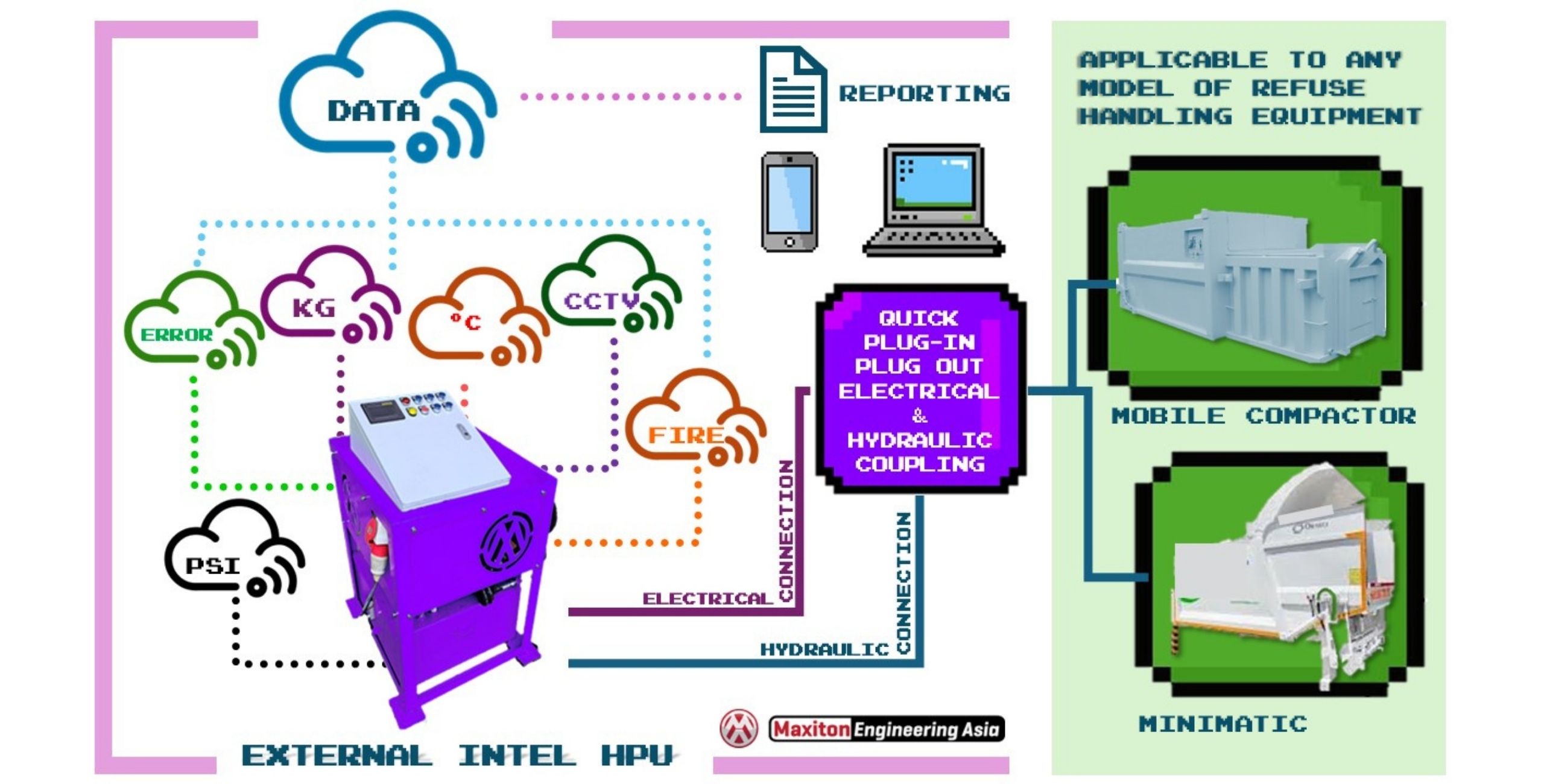
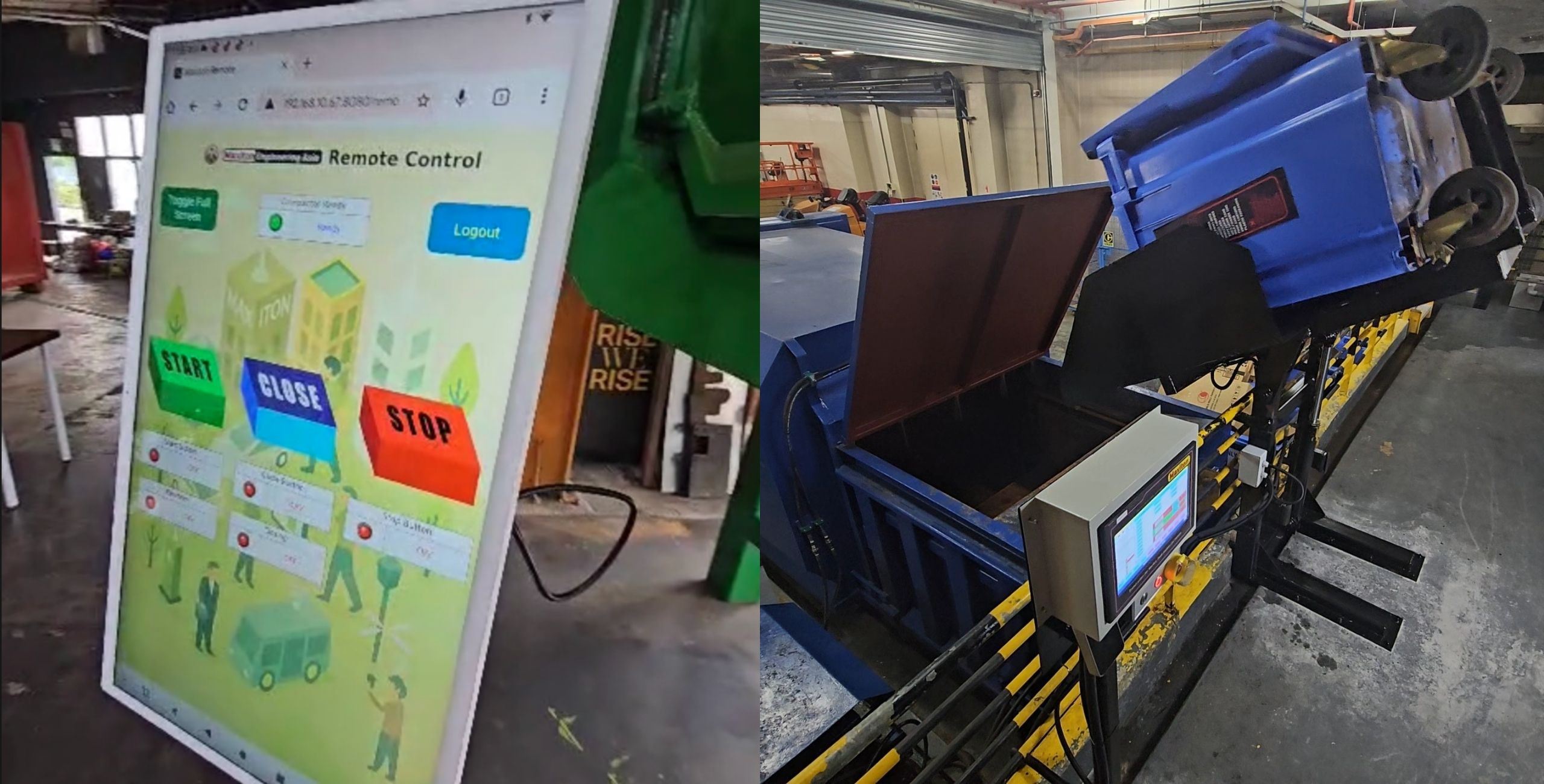
1. Waste is loaded into the compactor at a push of a button. Smart compactors have sensors installed to detect the presence of bins for automated lifting which increases the efficiency of waste management at the bin centre as the operator have the time freed to prepare another bin for lifting.
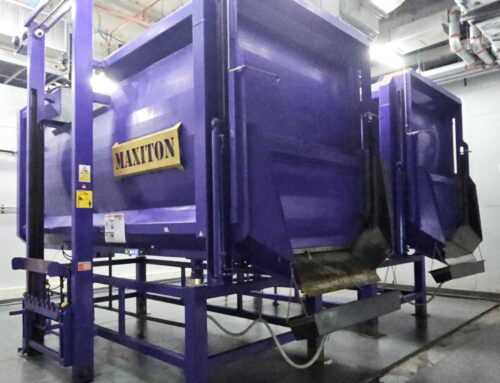
2. A powerful hydraulic ram compresses the material. Maxiton is the first waste management equipment supplier that developed a dual ram compactor for higher compaction, achieving a 3:1 compaction ratio. Higher compaction translates into less waste collection trips, reducing overall operational costs by at least 20-30% when waste collection trips are reduced.
3. Compacted waste is stored in a sealed container
4. The container is hauled away when full/ waste will be collected by a Rear-end loader (REL).
Common Types of Waste Compactors
Understanding your options helps solve the right problem instead of overpaying for the wrong equipment.
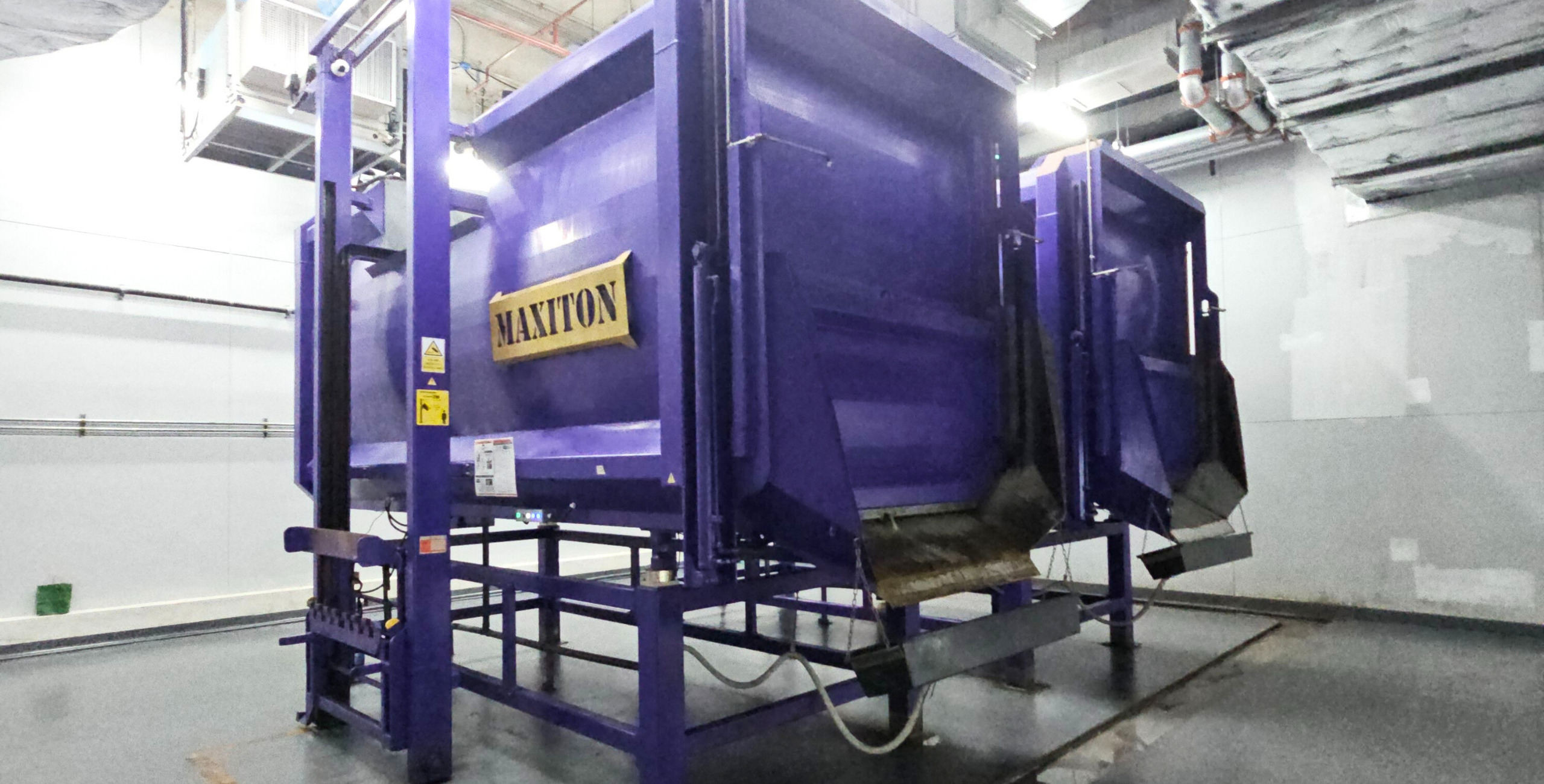
1. Smart Dual Ram Stationary Compactors with RFID tenant tracking system
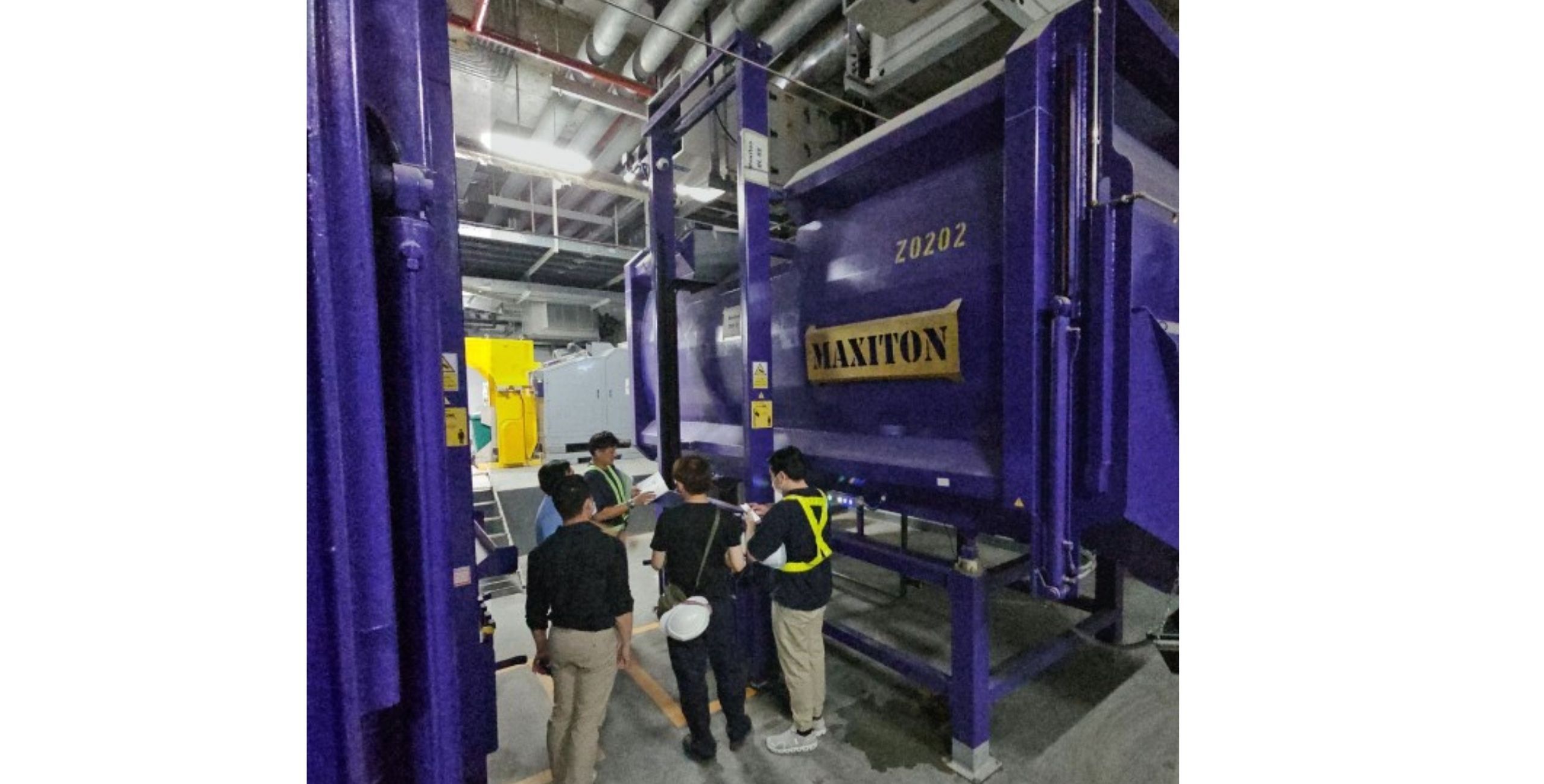
– Ideal for businesses generating large volumes of waste
– Remain fixed in place; containers are hauled away
– Common for property management companies in retail, industrial, and manufacturing settings who charges waste collection fees from tenants based on weightage
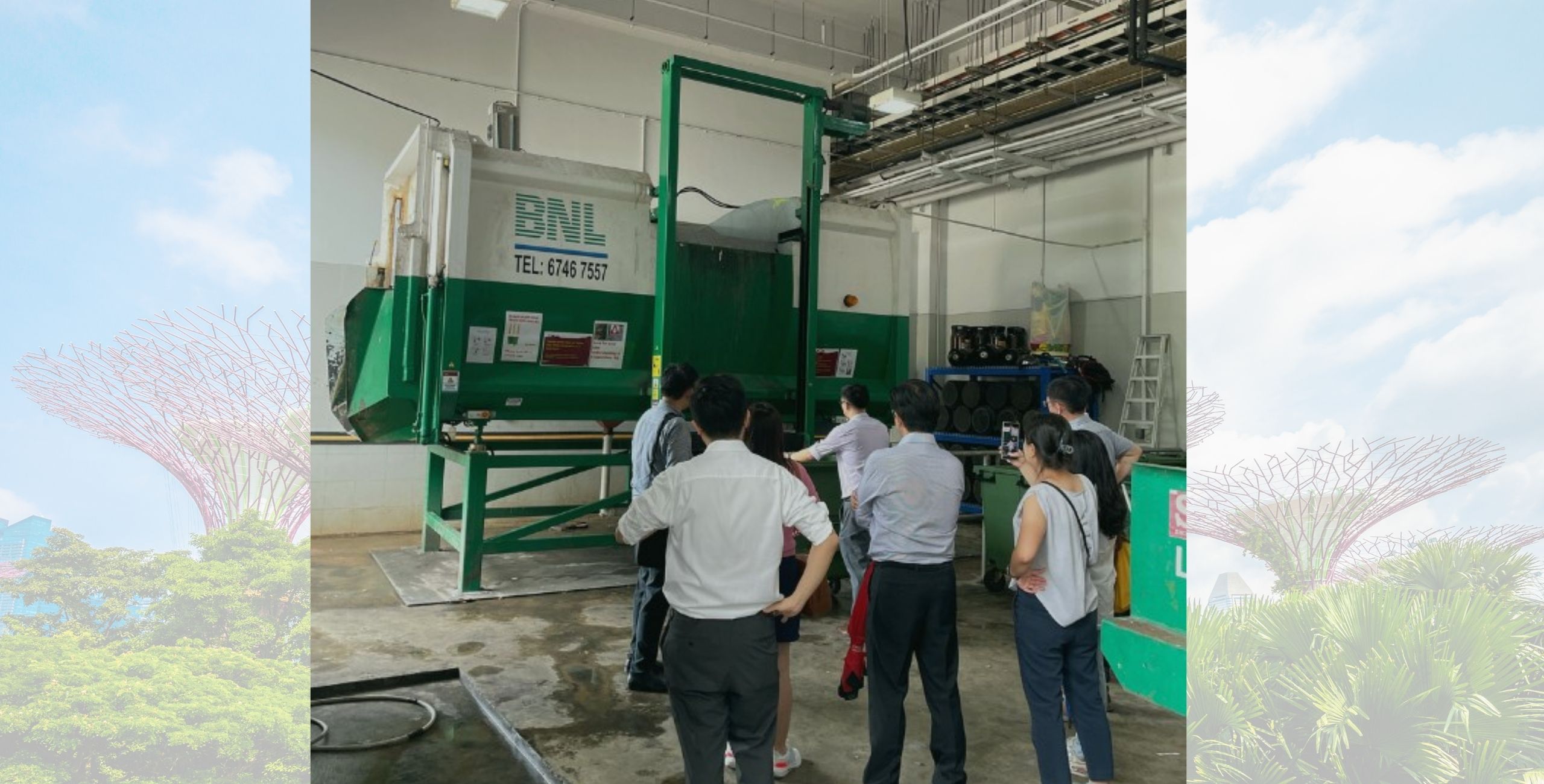
2. Mobile Compactors
– Designed for bin centres with lower ceiling heigh
– Single ram for lower compaction ratio or 1.5:1
– Suitable for areas with lower waste generation
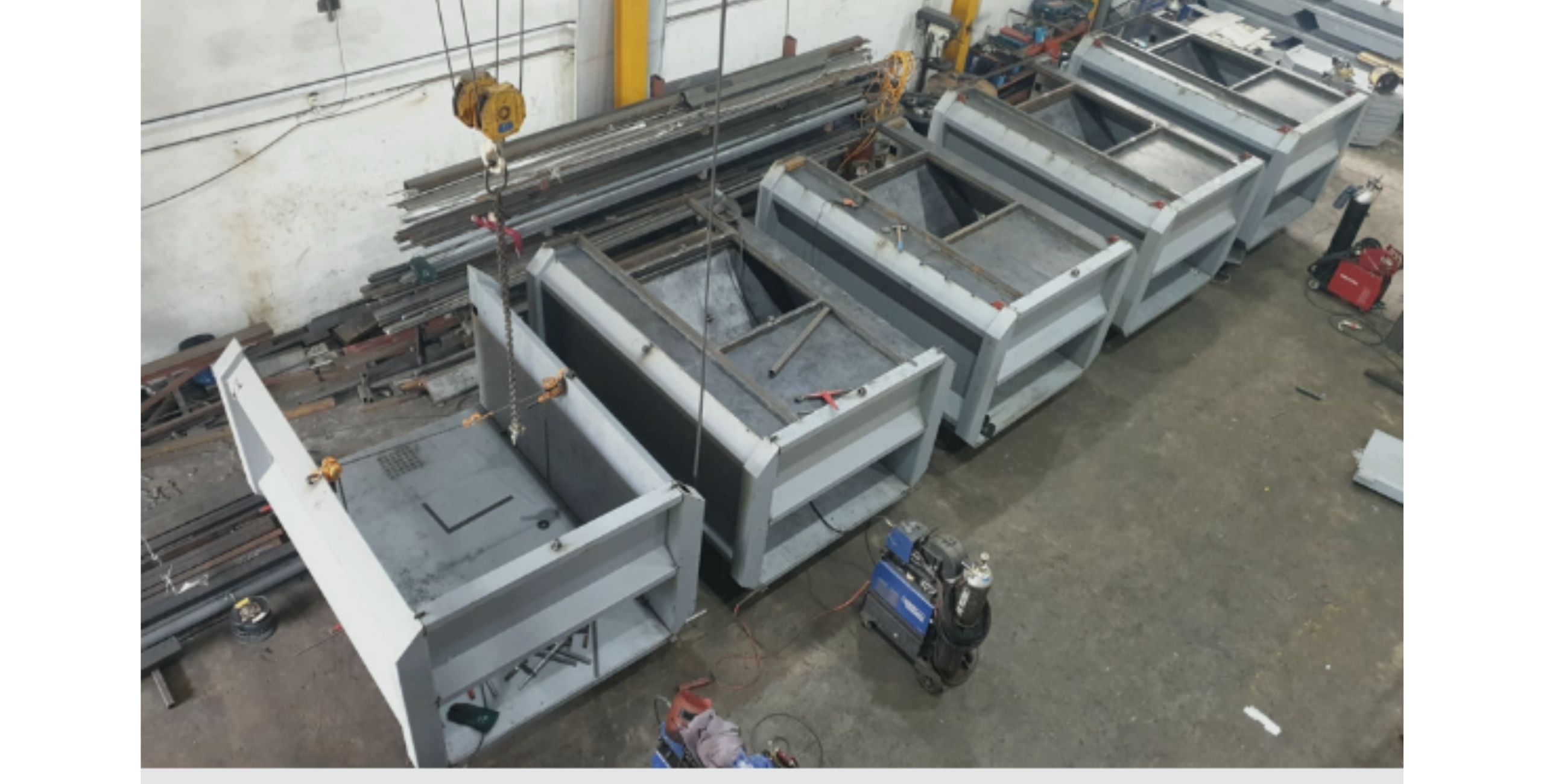
– Smaller footprint for tight spaces
– Designed for bin centres that are small and general waste compactors in the market does not fit
It is crucial to engage a company that has experience in the waste management industry with an engineering background to ensure the waste equipment meets yours waste management needs and safety standards.
Waste compactors are one of the most effective tools for businesses looking to reduce waste volume, cut costs, and maintain cleaner facilities. Whether you operate a restaurant, retail store, or industrial site, the right compactor can turn waste from a daily headache into a streamlined process.