

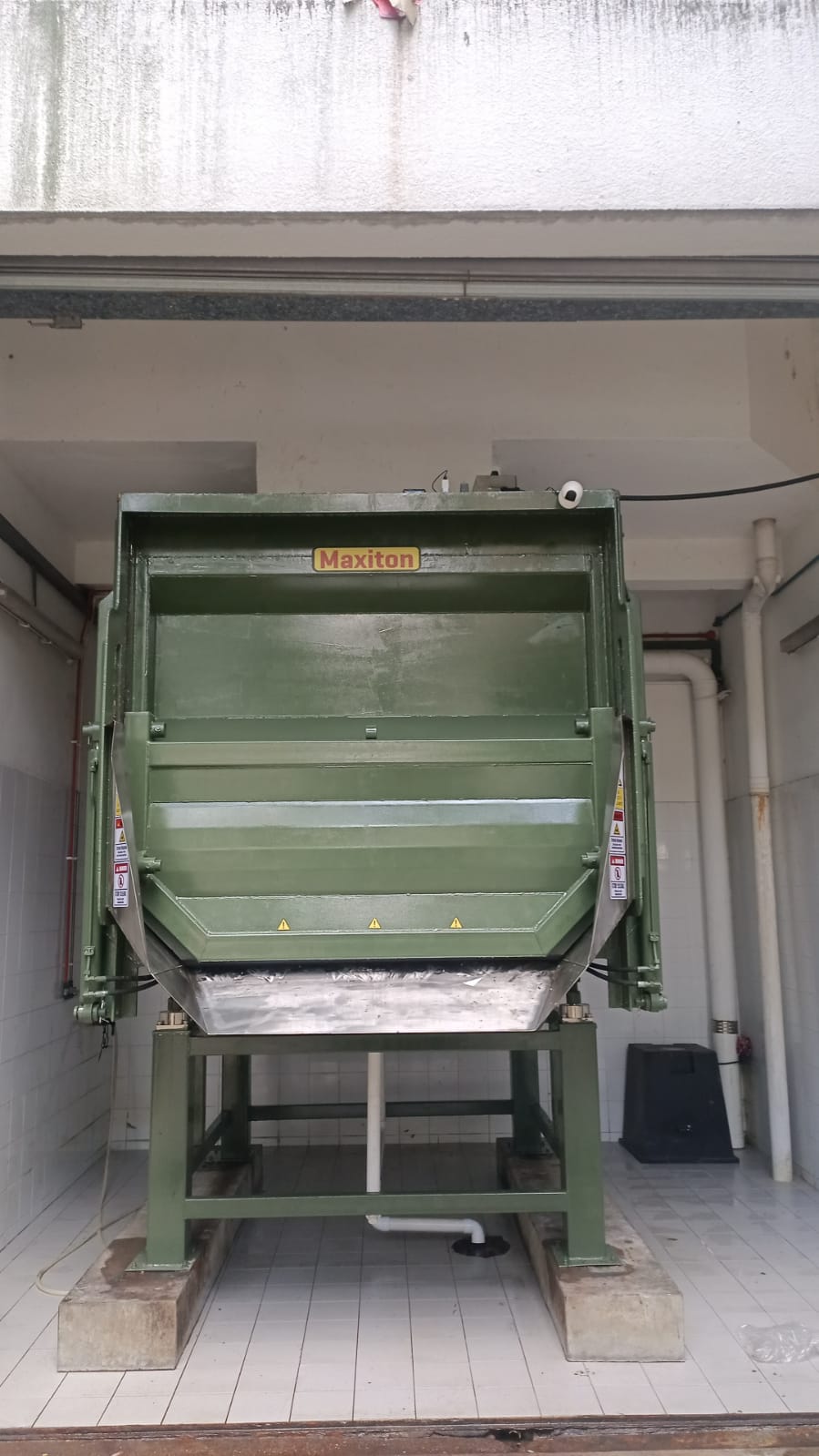
As Singapore’s urban density increases and high-rise residential developments grow taller, traditional refuse chute systems face mounting pressure. The latest advancement addressing these challenges is hybrid multiplexor technology—a smart integration layer that coordinates multiple waste streams, compaction cycles, and collection points within a single building infrastructure.
What Is a Hybrid Multiplexor System?
A hybrid multiplexor refuse chute compactor combines traditional gravity-fed chute systems with intelligent routing, sensor arrays, and synchronized compaction. Unlike conventional single-stream chutes that feed directly into one compactor, multiplexor systems can:
- Route waste from multiple chute access points to different compactors based on waste type
- Balance load across multiple compaction units to prevent overloading
- Integrate IoT sensors to trigger compaction cycles only when economically optimal
- Coordinate collection schedules across mixed-use developments (residential + commercial)
This technology is particularly relevant for Singapore’s newer integrated developments, where a single building might house residential units, retail spaces, food courts, and offices—each generating different waste profiles.
Why Singapore Buildings Are Adopting Hybrid Systems
1. Multi-Stream Waste Segregation Compliance
With Singapore’s push toward higher recycling rates and the mandatory food waste segregation requirements for large commercial generators, hybrid systems enable automated waste stream separation at the source. A single chute network can route general waste, recyclables, and food waste to separate compactors without requiring residents or tenants to walk to different disposal points.
2. Optimized Compaction Efficiency
Traditional systems compact on fixed schedules or manual triggers. Hybrid multiplexor systems use real-time fill-level data from IoT sensors to trigger compaction only when bins reach optimal density. For a 50-story condominium, this can reduce compaction cycles by 30-40%, cutting energy costs and mechanical wear.
Learn more about IoT monitoring: Maxiton IoT Waste Monitoring
3. Reduced Truck Movements and Carbon Emissions
By coordinating compaction across multiple units and providing predictive collection alerts, hybrid systems help waste haulers optimize collection routes. A typical high-rise development can reduce collection frequency from daily to every 2-3 days, significantly lowering both operational costs and carbon emissions from waste transport.
4. Future-Proofing for Smart Building Integration
Modern hybrid multiplexor systems integrate with Building Management Systems (BMS) via MQTT, Modbus, or BACnet protocols. Facility managers can monitor chute status, compactor health, and waste generation patterns from the same dashboard they use for HVAC, lighting, and security.
Key Components of a Hybrid Multiplexor Refuse Chute System
Intelligent Diverter Gates
Automated gates at chute intersections route waste based on sensor input (weight, moisture content, or manual selection at disposal points). These gates can direct recyclables to a separate compactor while sending general waste to the main unit.
Synchronized Compaction Controllers
A central controller monitors fill levels across all connected compactors and schedules compaction cycles to balance mechanical load, energy consumption, and noise (important for residential buildings with strict quiet hours).
Multi-Point Sensor Arrays
Ultrasonic or laser sensors at multiple points in the chute network detect blockages, measure fill rates, and trigger alerts before overflows occur. Advanced systems can even identify unusual waste items (oversized objects, liquids) that might damage compactors.
Redundancy and Failover Logic
If one compactor unit fails or requires maintenance, the multiplexor can automatically reroute waste to backup units, ensuring uninterrupted service—critical for high-occupancy buildings.
Installation Considerations for Singapore Properties
Retrofitting vs New Construction
Hybrid systems are easiest to implement during new construction, where chute routing and compactor placement can be optimized from the start. However, retrofitting existing buildings is feasible if:
- The property has multiple refuse collection rooms or can accommodate additional compactor units
- Existing chutes can be accessed for sensor and gate installation
- Electrical and data infrastructure can be extended to the collection area
For retrofit projects, a detailed site survey is essential to assess structural constraints and mechanical access.
Space and Ventilation Requirements
Multiplexor systems with multiple compactors require more floor space than single-unit setups. A typical configuration for a 300-unit condominium might need 40-50 m² of dedicated waste collection space, with adequate ventilation to handle increased compactor heat and odor extraction.
Power Supply and Backup
Each compactor unit requires dedicated power (typically 3-phase 415V). Hybrid systems should have emergency power backup to prevent overflows during outages. Some newer installations include battery backup for sensor/controller operation even if compaction is paused.
Costs and ROI for Singapore Building Owners
A hybrid multiplexor system costs 40-60% more upfront than a conventional single-compactor setup, but the ROI comes from:
- Reduced collection fees: 25-35% fewer truck trips annually
- Lower maintenance costs: Predictive alerts prevent catastrophic failures
- Regulatory compliance: Easier to meet NEA waste segregation and reporting requirements
- Property value: Green building certifications (BCA Green Mark) increasingly favor advanced waste management
Typical payback period: 4-6 years for properties with 200+ units.
Choosing a Hybrid Multiplexor System for Your Building
When evaluating suppliers, ask:
- Can the system scale? If your property adds a retail wing or new tower, can the multiplexor accommodate additional compactors?
- What’s the failover plan? How does the system behave if a sensor fails or a compactor goes offline?
- Is remote monitoring included? You should be able to view system status via web dashboard or mobile app.
- What’s the maintenance contract? Hybrid systems have more moving parts—ensure your supplier offers comprehensive preventive maintenance.
Explore compactor options: Maxiton Waste Compactor Range
The Future of Refuse Chute Systems in Singapore
As Singapore moves toward a zero-waste nation and mandates stricter waste segregation, hybrid multiplexor systems will become the standard for new high-rise developments. The next wave of innovation includes:
- AI-powered waste identification: Cameras and machine learning to automatically sort waste at disposal points
- Blockchain-verified recycling credits: Tracking waste streams for carbon offset programs
- Integration with district-level waste management: Coordinating collection across multiple buildings in a precinct
For facility managers and property developers, the question is no longer whether to adopt smart refuse chute technology, but when and how to implement it most effectively.
If you’re evaluating a hybrid multiplexor system for your Singapore property, consult with a qualified waste management engineer to assess your building’s specific requirements and constraints.


Leave A Comment