

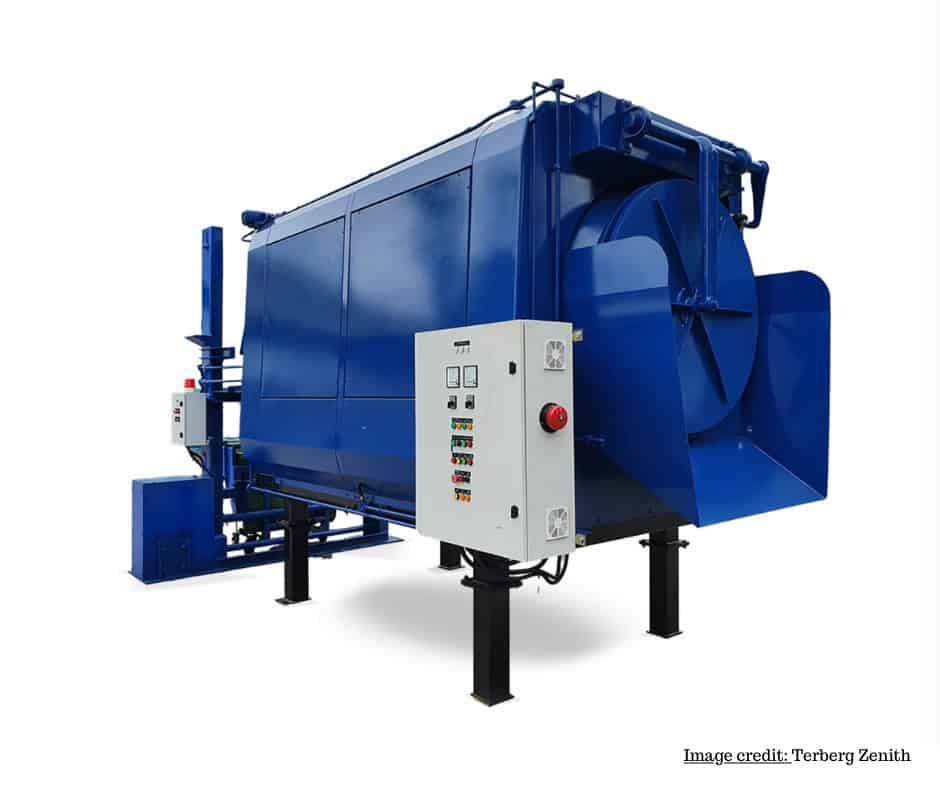
When a Singapore facility handles bulky, mixed, or irregular waste streams, a rotary drum compactor can provide a more practical solution than a conventional static press. Often described as a G-Drum compactor, this system uses a rotating drum to receive, break down, and compact waste continuously. The result is a denser, more manageable load with fewer manual interventions around the loading area.
What is a rotary drum compactor?
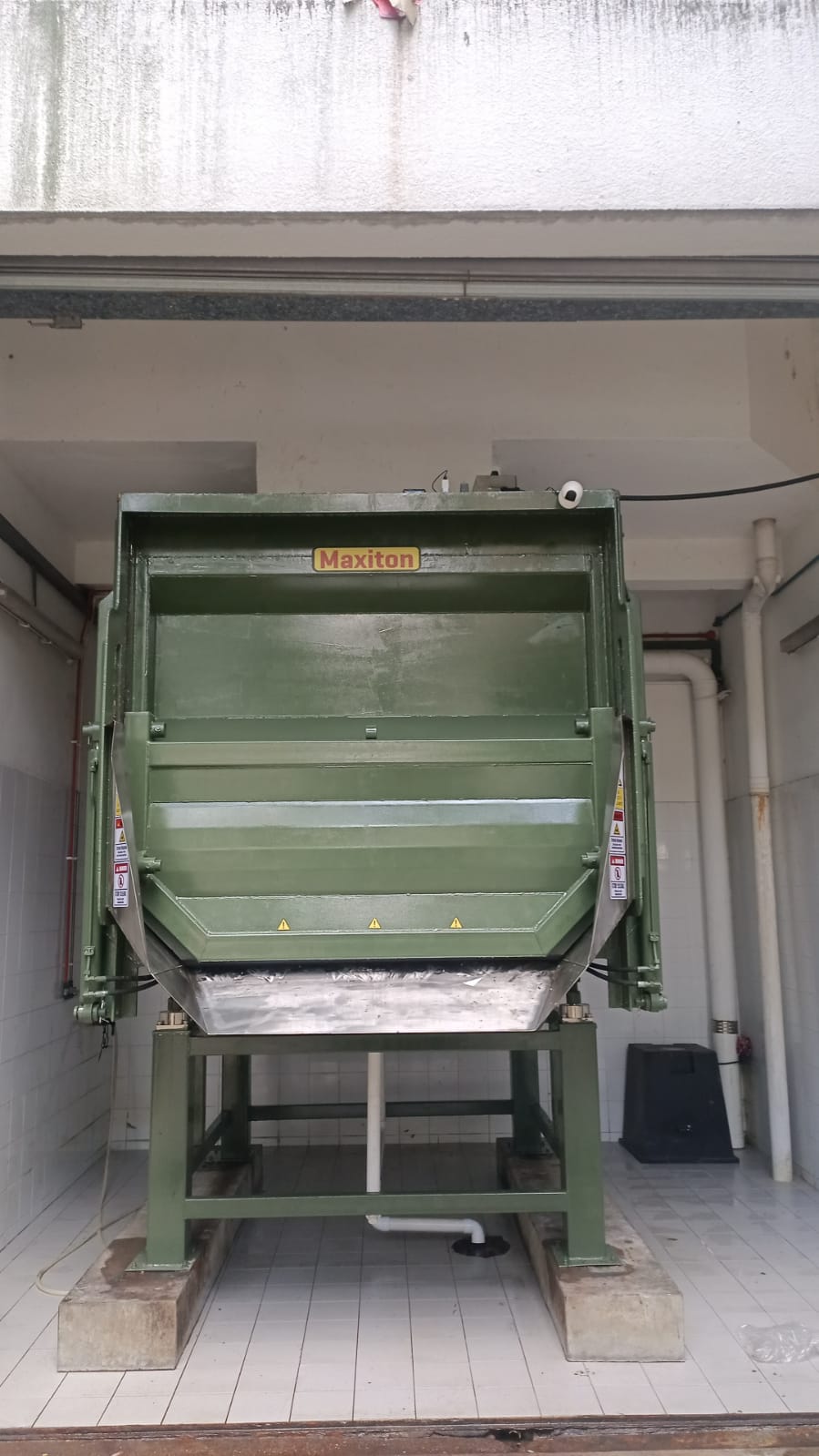
A rotary drum compactor is a waste compaction system built around a large rotating drum. As waste enters the chamber, the drum turns and applies mechanical pressure that moves material forward while reducing its volume. Depending on the configuration, the unit can be installed as part of a building waste room, a commercial waste handling line, or a larger drum compactor waste system serving multiple loading points.
The rotating action is particularly useful when the incoming waste is not uniform. Cardboard, packaging, general refuse, and lightly bulky items can be processed in a controlled cycle instead of being pushed against a fixed platen. The appropriate design still depends on waste composition, throughput, available space, and the collection container used downstream.
Why consider a G-Drum compactor in Singapore?
1. Better handling of variable waste
Commercial properties rarely produce one perfectly consistent waste stream. Retail back-of-house areas, logistics sites, food-and-beverage operations, and mixed-use buildings may receive changing volumes throughout the day. A rotary drum compactor can accommodate this variability while keeping the loading point organised.
2. More useful container capacity
Compaction reduces the air gaps between waste items. That means a collection container can hold more material before it needs to be exchanged. For sites with restricted loading-bay access or limited collection windows, improving each container’s usable capacity can simplify daily operations and reduce unnecessary vehicle movements.
3. A cleaner, safer waste room
Uncompacted waste tends to spill from bins, spread across floors, and require repeated manual handling. A properly specified drum compactor helps establish a defined process: waste is loaded, compacted, and discharged into the designated container. Safety still depends on guarding, interlocks, access control, housekeeping, and staff training, but a controlled system is easier to manage than loose waste.
How to select a rotary drum compactor
Start with the waste profile
Record the materials being processed for at least several operating days. Note whether the stream contains cardboard, plastic film, wet refuse, food-contaminated packaging, bulky items, or materials that must be segregated. A rotary drum compactor is not a substitute for source separation, and hazardous, pressurised, or unsuitable items should never be introduced without confirmation from the equipment supplier.
Measure peak volume, not only the daily average
Average tonnage can hide the real operating challenge. A property may have a modest weekly volume but experience a sharp peak after deliveries, tenant move-ins, events, or weekend trading. Share both average and peak loading patterns when requesting a design. This helps the supplier assess drum size, duty cycle, container capacity, and the number of loading points required.
Check the installation route
Before choosing equipment, verify door widths, ceiling height, turning radii, floor loading, drainage, ventilation, electrical supply, and the path for removing a full container. These practical details often decide whether a system is easy to install and service. Maxiton’s equipment solutions can be reviewed alongside the site constraints during an early assessment.
Plan controls and operator access
Controls should be understandable for the people who use the system every day. Emergency stops, interlocked access doors, visual status indicators, and clear loading instructions reduce avoidable mistakes. If the facility has multiple waste assets, consider whether operating data should be connected to a wider monitoring platform through IoT integration services.
Rotary drum compactor versus a conventional compactor
A conventional hydraulic compactor may be ideal for a predictable waste stream and a straightforward loading arrangement. A rotary drum design becomes attractive when continuous or repeated loading, irregular material, limited labour, and container utilisation are important priorities. The right comparison should include throughput, footprint, noise, power requirements, cleaning, access for maintenance, and the total cost of ownership—not just the purchase price.
It is also important to consider what happens after compaction. Container compatibility, collection frequency, weighing arrangements, and traffic movement can affect the overall benefit. A highly capable machine will not deliver its full value if the collection container cannot be exchanged efficiently.
Maintenance considerations for Singapore facilities
Routine inspections should cover the drum, drive components, guards, sensors, emergency stops, electrical enclosure, and the condition of the surrounding floor. Operators should report unusual noise, vibration, leakage, repeated jams, or changes in cycle performance early. Cleaning procedures must match the waste stream and protect electrical and hydraulic components from inappropriate water exposure.
Planned servicing is easier to coordinate than emergency downtime. Maxiton’s maintenance service can help facilities establish inspection intervals, spare-parts planning, and response arrangements suited to their operating pattern.
Is a rotary drum compactor right for your site?
A rotary drum compactor Singapore project should begin with a site and waste assessment rather than a catalogue choice. If your facility has variable waste, repeated loading, space pressure, or a need to improve container utilisation, a G-Drum compactor may be worth evaluating. Ask for a design that accounts for actual waste behaviour, operator safety, installation access, serviceability, and the complete collection workflow.
For a site review or equipment discussion, contact Maxiton Engineering Asia with your waste type, estimated volume, peak periods, available space, and current collection arrangement.


Leave A Comment