

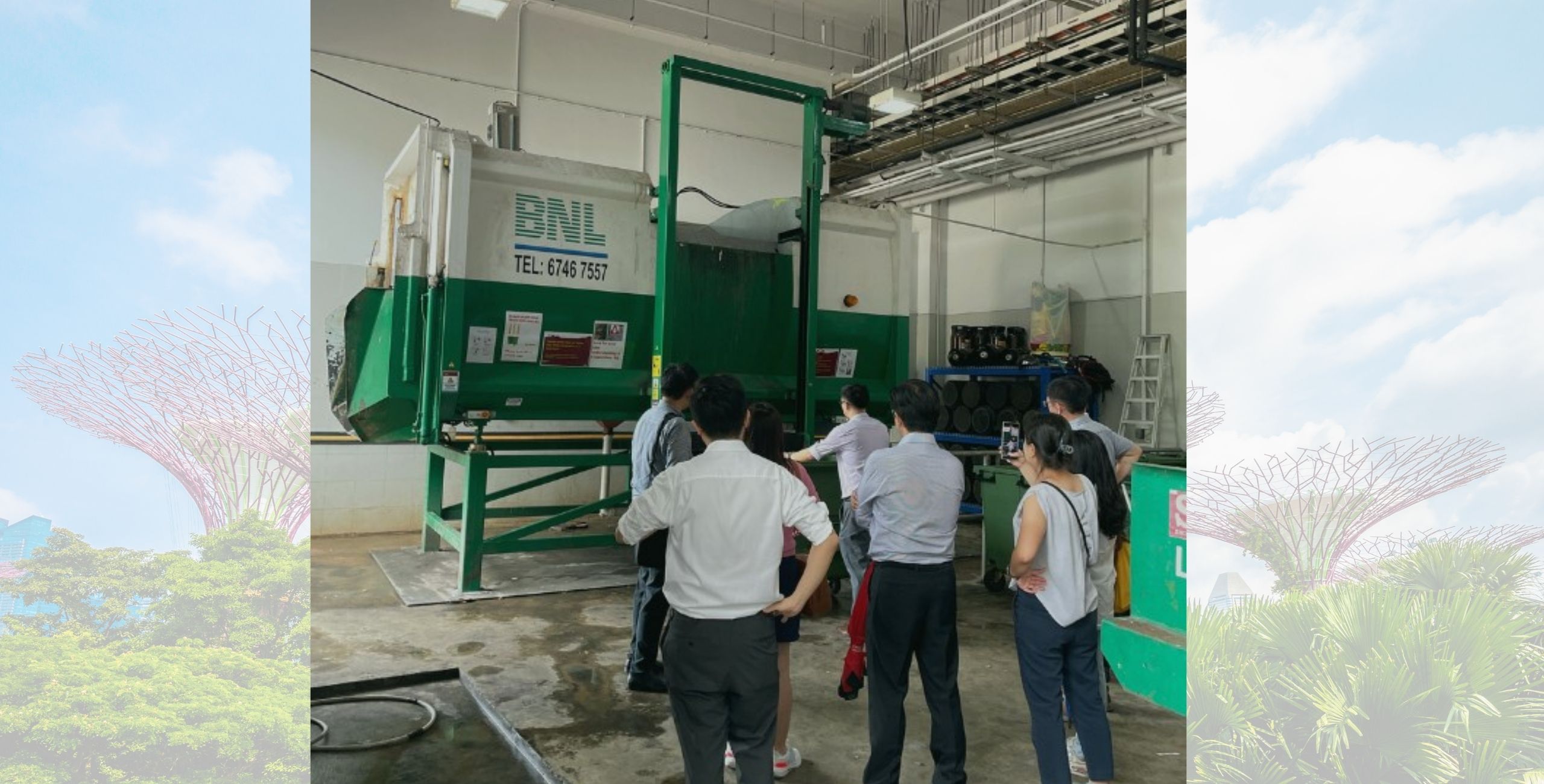
Why Singapore’s Hospitality Sector Is Turning to G-Drum Rotary Drum Compactors
Hotels, resorts, and integrated resorts across Singapore generate extraordinary volumes of waste — often three to five times more than a typical commercial building of comparable size. During peak tourist seasons, Chinese New Year festivities, and major convention events, waste output can spike by another 40 to 60 percent almost overnight. Traditional piston-style compactors, while effective for steady-state commercial waste, often struggle to keep pace with these dramatic fluctuations.
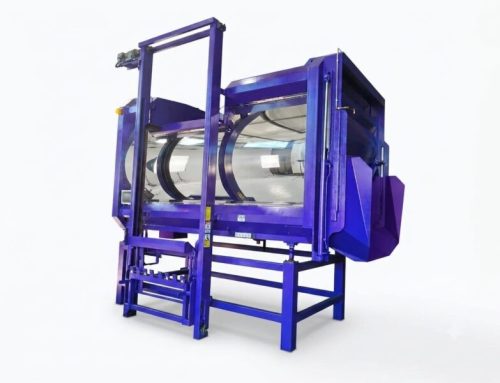
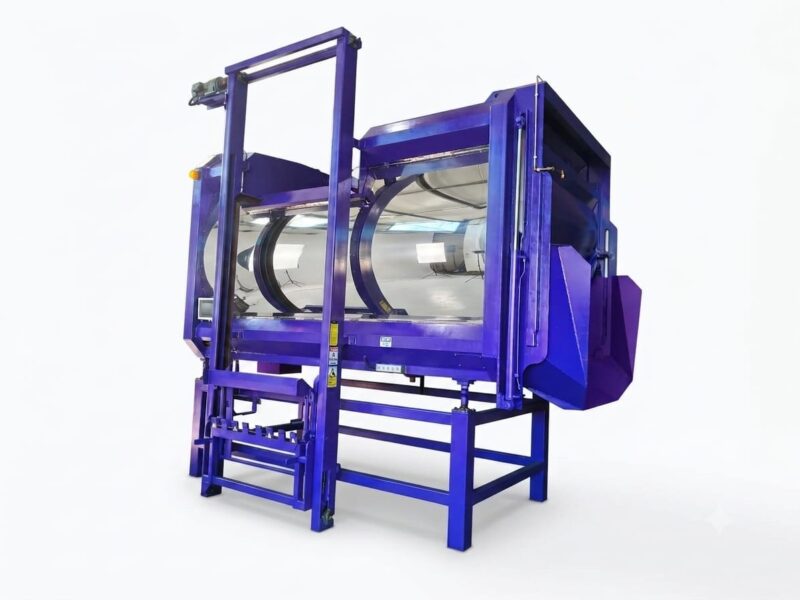
This is precisely the challenge that G-Drum rotary drum compactors were engineered to solve. Unlike conventional ram compactors that rely on a single hydraulic press cycle, the G-Drum uses a continuously rotating drum mechanism that accepts waste non-stop — no waiting for compaction cycles to complete before loading more material.
Understanding the G-Drum Advantage for Hospitality Operations
A standard hydraulic ram compactor works in discrete cycles: load, compress, retract, repeat. Each cycle takes 30 to 90 seconds depending on the model and waste density. During busy hotel checkout hours or post-banquet cleanup, staff often find themselves queuing at the compactor, waiting for cycles to finish. This creates bottlenecks in waste handling workflows and, in worst cases, leads to waste accumulating in corridors and service areas.
The rotary drum compactor eliminates this bottleneck entirely. Its rotating drum mechanism provides continuous intake, meaning housekeeping and kitchen staff can deposit waste at their own pace without waiting. For a 500-room hotel processing waste from multiple F&B outlets, room service, laundry, and housekeeping simultaneously, this continuous-flow design can reduce waste handling time by up to 35 percent.
Key Performance Metrics for Hospitality Applications
Singapore hospitality properties that have adopted G-Drum systems typically report the following improvements:
- Throughput increase: 25–40% more waste processed per hour compared to equivalent-capacity ram compactors
- Labour efficiency: Staff spend less time waiting at compactors, freeing 1–2 man-hours per shift for other duties
- Compaction ratio: 5:1 to 8:1 depending on waste composition, reducing bin collection frequency
- Noise reduction: Rotary action produces significantly less impact noise than hydraulic ram strikes — critical for hotels where guest comfort is paramount
IoT Integration: Real-Time Fill Monitoring for Dynamic Waste Volumes
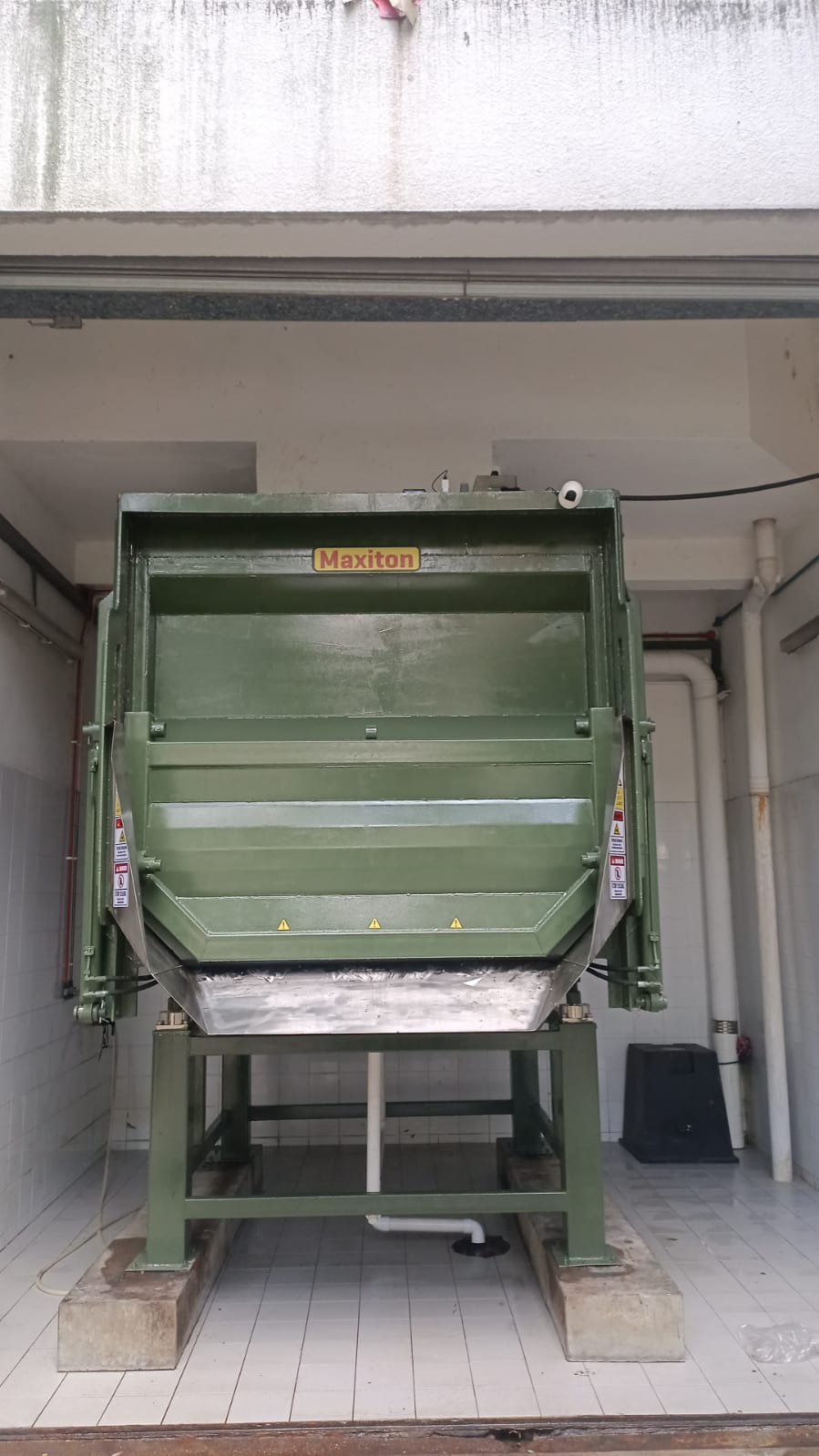
Modern G-Drum compactors from Maxiton come equipped with IoT sensors that provide real-time fill-level monitoring through a centralised dashboard. For hospitality properties, this capability is transformative.
A hotel facilities manager can monitor fill levels across multiple compactor stations — basement loading dock, kitchen waste area, housekeeping floor collection points — from a single screen. When a compactor reaches 80 percent capacity, the system automatically alerts the waste collection contractor, ensuring bins are swapped before overflow occurs.
This predictive approach is particularly valuable during Singapore’s peak tourism periods. Rather than relying on fixed collection schedules that may be insufficient during busy periods or wastefully frequent during quiet ones, IoT-connected G-Drum systems enable demand-responsive collection. Properties typically see a 20 to 30 percent reduction in collection costs through optimised scheduling alone.
Connecting to Building Management Systems
For integrated resorts and large hotel chains operating in Singapore, the G-Drum’s IoT platform integrates with existing Building Management Systems (BMS). Waste data flows into the same dashboards that monitor HVAC, lighting, and energy systems, giving facilities teams a unified operational picture.
Through Maxiton’s AI-powered analytics platform, historical waste data can be cross-referenced with hotel occupancy rates, event calendars, and seasonal patterns to generate accurate waste volume forecasts. This level of intelligence helps properties plan staffing, collection schedules, and even procurement of waste consumables like bin liners and sanitising agents.
Space Efficiency in Singapore’s Constrained Hospitality Properties
Land scarcity is a defining characteristic of Singapore’s built environment, and hospitality properties are no exception. Bin centres and waste handling areas are often squeezed into the smallest possible footprint during the design phase, leaving facilities managers to work within tight spatial constraints.
G-Drum compactors offer a favourable footprint-to-capacity ratio compared to traditional horizontal ram compactors. The drum mechanism is inherently more compact, and the continuous intake design means smaller buffer areas are needed for waste staging. For Singapore hotels undergoing renovations or retrofitting waste management systems, the G-Drum’s compact profile often makes it the only viable option without sacrificing adjacent storage or service space.
Compliance and Sustainability Reporting
Singapore’s hospitality sector faces increasing pressure to demonstrate environmental responsibility. The BCA Green Mark scheme, the Singapore Hotel Sustainability Committee’s guidelines, and individual brand sustainability commitments all require properties to track and reduce waste output.
G-Drum compactors with IoT monitoring automatically log waste volumes, compaction cycles, and collection data. This creates an auditable trail that simplifies sustainability reporting. Properties can demonstrate year-on-year waste reduction metrics, track diversion rates, and provide verifiable data for green building certifications.
Carbon Footprint Reduction
By achieving higher compaction ratios and enabling optimised collection schedules, G-Drum systems directly reduce the carbon footprint associated with waste transportation. Fewer collection trips mean fewer diesel truck movements through Singapore’s urban corridors. For a large hotel generating 15 to 20 tonnes of waste monthly, the reduction in collection frequency can translate to a measurable decrease in Scope 3 emissions — an increasingly important metric for corporate sustainability reporting.
Choosing the Right G-Drum Configuration
Selecting a rotary drum compactor for a hospitality application requires careful consideration of several factors:
- Waste composition: Hotels generate a diverse waste stream — food waste, packaging, textiles, guest amenity packaging. The G-Drum handles mixed general waste effectively, though food waste may benefit from a dedicated food digester system operating alongside the compactor
- Peak-to-average ratio: Properties with dramatic waste volume swings benefit most from the G-Drum’s continuous intake design
- Access logistics: Bin exchange requirements, truck turning circles, and loading dock configurations all influence the optimal compactor placement and size
- Noise sensitivity: Hotels with compactor stations near guest rooms or public areas should prioritise the G-Drum’s quieter rotary mechanism over conventional ram alternatives
The Bottom Line for Singapore Hospitality Properties
The hospitality sector’s waste management challenges — variable volumes, space constraints, sustainability mandates, and the constant imperative to maintain guest experience — align precisely with the G-Drum rotary compactor’s strengths. As Singapore positions itself as a sustainable tourism destination, properties that invest in intelligent, efficient waste handling infrastructure gain both operational advantages and a credible sustainability narrative.
For facilities managers evaluating waste compactor options, the G-Drum represents a purpose-built solution for the unique demands of hospitality waste management in Singapore’s compact, high-performance built environment.


Leave A Comment