Singapore has committed to achieving net-zero emissions by 2050 under the Singapore Green Plan 2030. For facility managers and building owners, waste management represents a significant opportunity to reduce carbon footprints. Waste compactors — particularly IoT-enabled smart compactors — play a crucial role in cutting emissions across the waste collection chain.
In this guide, we explore how waste compaction technology directly contributes to carbon emissions reduction and helps Singapore properties meet increasingly stringent sustainability targets.
The Carbon Cost of Conventional Waste Collection
Traditional waste management relies on frequent collection schedules regardless of bin fill levels. A typical commercial building in Singapore might schedule daily waste pickups — even when bins are only half full. Each collection trip generates carbon emissions from diesel-powered waste trucks navigating congested urban roads.
Consider the numbers: a standard rear-loader waste truck emits approximately 1.2 kg of CO2 per kilometre. For a building requiring daily collections across 365 days, the annual transport emissions alone can exceed 2,000 kg of CO2 — before factoring in the emissions from waste decomposition in landfills.
How Compaction Reduces Collection Frequency
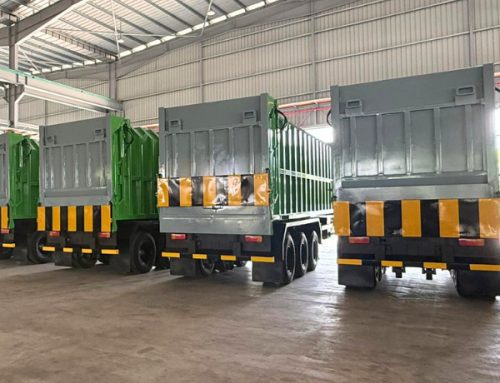
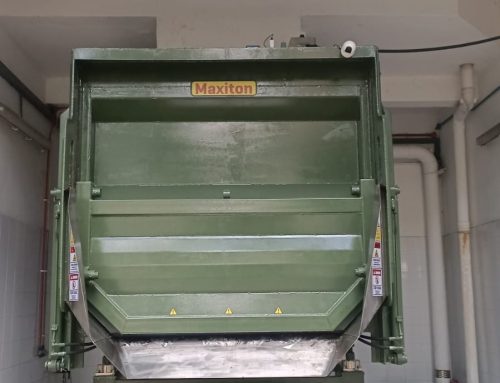
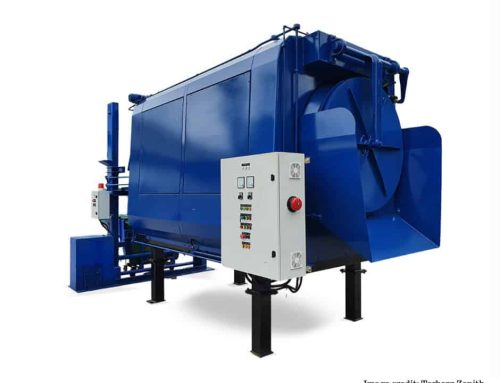
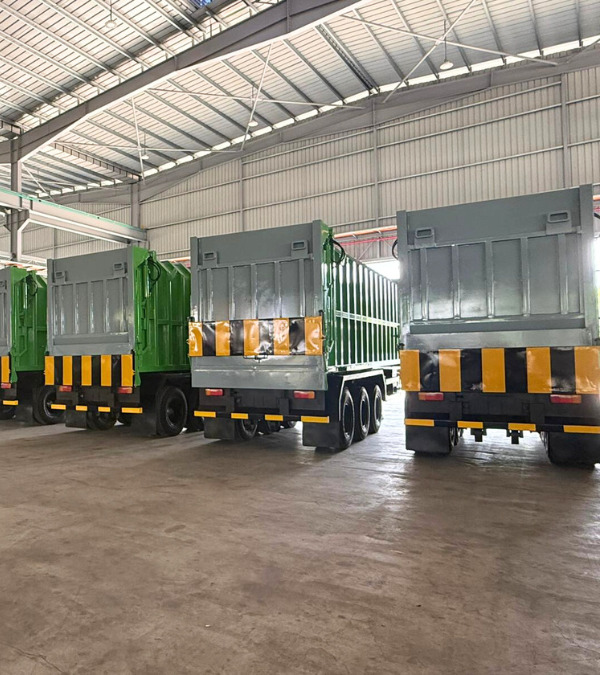
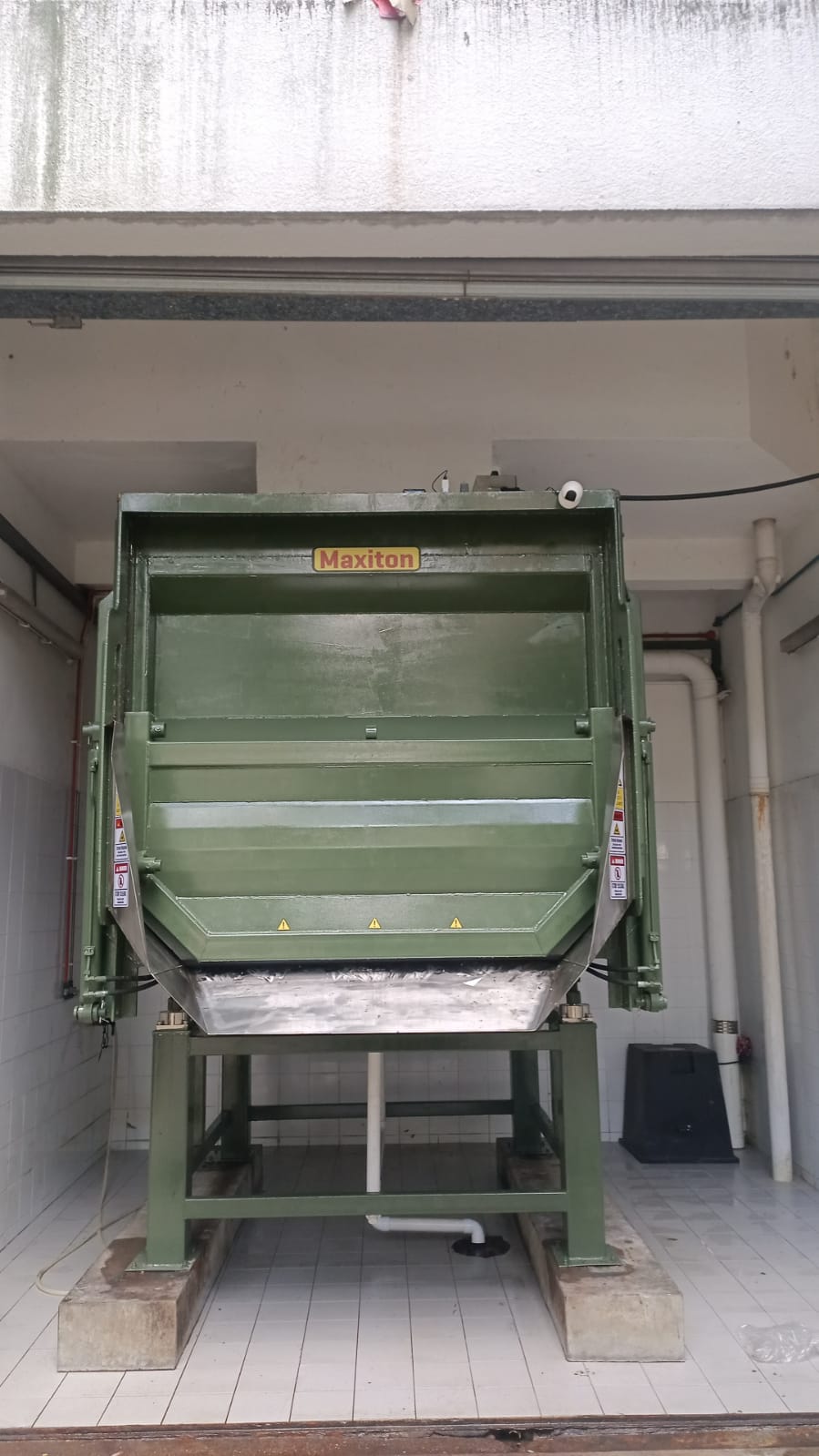
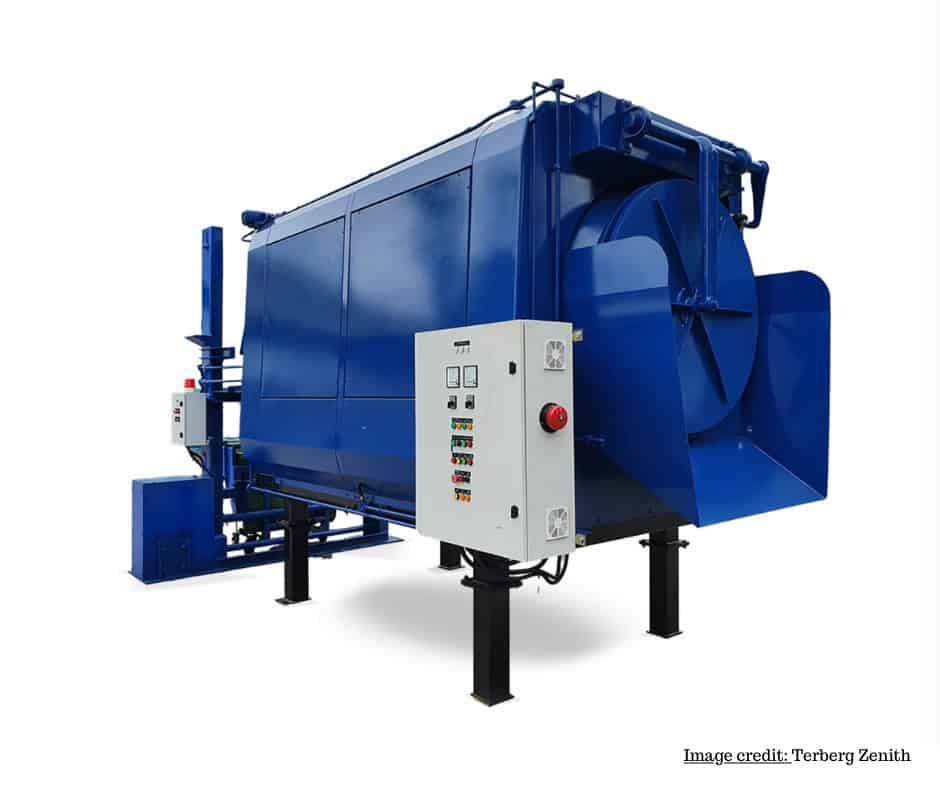
Waste compactors achieve compression ratios between 4:1 and 10:1 depending on the waste stream. This means a stationary waste compactor can reduce the volume of general waste by up to 90%, dramatically extending the time between required collections.
For a commercial property that previously needed daily collection, a well-sized compactor might reduce pickups to just twice per week — cutting transport-related emissions by over 70%. Across a portfolio of managed properties, this reduction compounds into meaningful carbon savings.
IoT Monitoring: Optimising Collection Routes Further
When waste compactors are equipped with IoT sensors and real-time monitoring, the emissions reduction goes further. Rather than collecting on fixed schedules, waste haulers can implement dynamic routing based on actual fill levels.
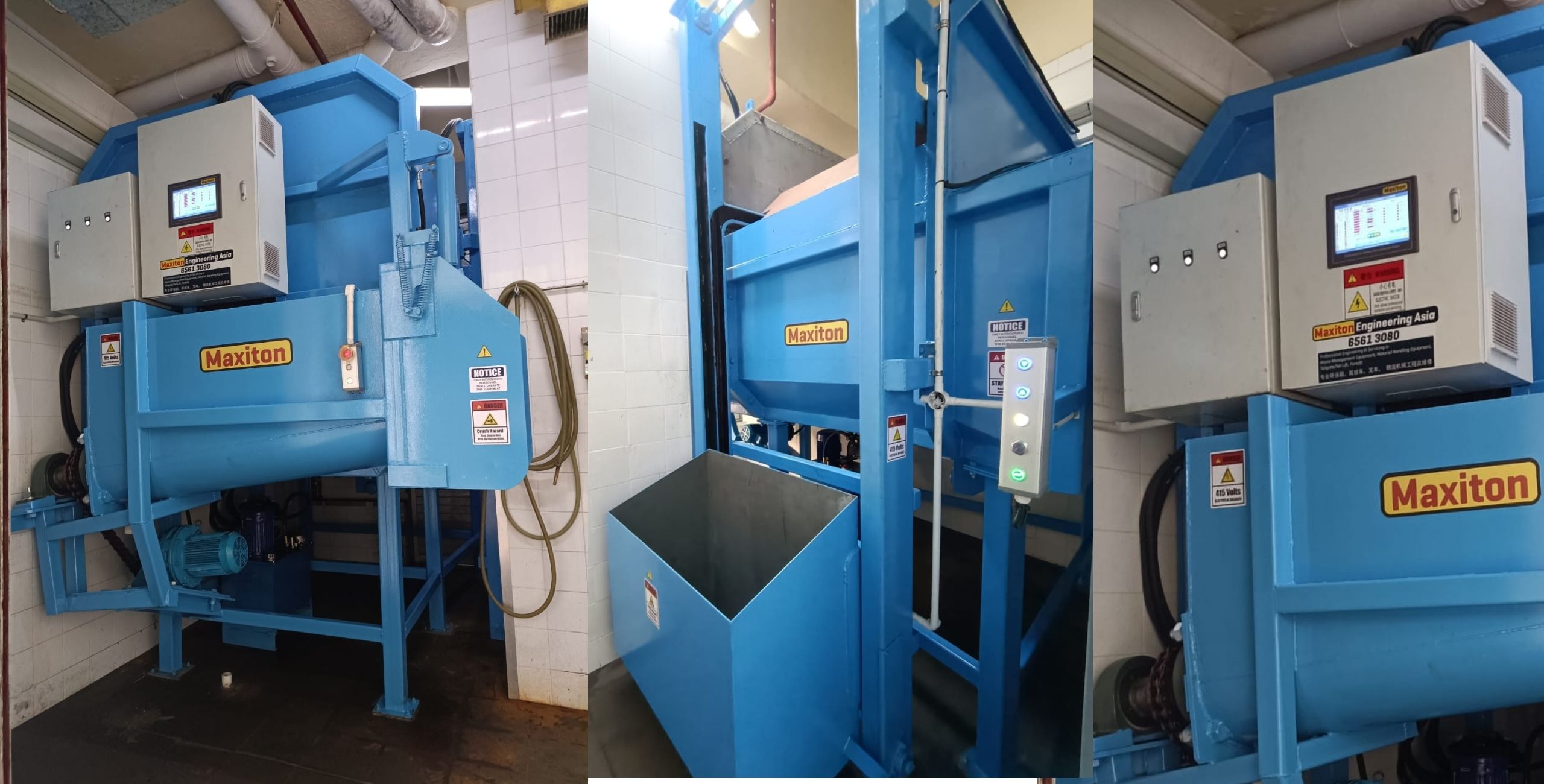
Smart monitoring systems like Maxiton’s WMS platform provide real-time fill-level data, enabling:
- Collection only when compactors reach optimal capacity (typically 80-90% full)
- Route optimisation across multiple sites, reducing total kilometres driven
- Predictive scheduling that accounts for seasonal variations in waste generation
- Elimination of unnecessary trips to sites with low fill levels
Studies across smart waste management deployments show that IoT-optimised collection can reduce fleet emissions by an additional 30-40% compared to fixed-schedule collection from compacted waste.
Reduced Landfill Methane Through Better Waste Segregation
Modern compactor installations increasingly incorporate waste segregation systems. By separating recyclables at source, less organic material reaches landfills where it would decompose anaerobically and produce methane — a greenhouse gas 28 times more potent than CO2 over a 100-year period.
Properties that combine compactors with food waste digesters can divert organic waste entirely from the landfill stream. On-site food digesters break down food waste into greywater within 24 hours, eliminating the methane emissions that would otherwise occur over years of landfill decomposition.
Meeting BCA Green Mark and NEA Requirements
Singapore’s Building and Construction Authority (BCA) Green Mark certification scheme awards points for efficient waste management systems. Properties with smart compaction and monitoring systems can earn credits in the Resource Stewardship category, contributing to higher Green Mark ratings.
The National Environment Agency (NEA) also requires large commercial and industrial premises to report waste data and implement waste minimisation plans under the Resource Sustainability Act. IoT-enabled compactors with automated reporting capabilities simplify compliance by providing accurate, timestamped waste generation data.
Quantifying Your Carbon Savings
Facility managers looking to quantify the carbon benefits of waste compaction should consider these metrics:
- Collection frequency reduction: Track pickups before and after compactor installation
- Compaction ratio achieved: Measure actual volume reduction for your waste stream
- Recycling diversion rate: Weight of recyclables separated vs. total waste
- Food waste diverted: Tonnes of organic waste processed on-site rather than sent to landfill
- Transport emissions saved: Calculate based on reduced truck trips and distances
A typical mid-sized commercial building in Singapore installing a smart compactor system can expect to reduce waste-related carbon emissions by 50-70% within the first year of operation.
The Business Case Beyond Carbon
While carbon reduction is increasingly a regulatory and reputational necessity, the financial benefits align closely. Fewer collections mean lower waste hauling contracts. Better segregation unlocks recycling revenue. Reduced bin overflow eliminates penalty charges and pest control costs.
For Singapore properties pursuing sustainability certifications, green leases, or ESG reporting requirements, documented carbon reductions from waste management provide concrete, measurable data points that strengthen sustainability narratives.
Getting Started
The first step is understanding your current waste profile — volumes, composition, collection frequency, and associated costs. From there, the right combination of compaction equipment, IoT monitoring, and waste segregation can be designed to maximise both carbon and cost reductions.
Maxiton Engineering provides comprehensive waste audits and equipment recommendations tailored to Singapore’s unique building types — from HDB estates to commercial towers and industrial facilities. Contact our team to discuss how your property can reduce emissions through smarter waste management.