Why Workplace Safety Matters for Waste Compactor Operations
Operating waste compactors in commercial and industrial settings involves powerful hydraulic machinery capable of generating enormous compaction forces. In Singapore, the Workplace Safety and Health (WSH) Act places clear responsibilities on facility owners and operators to ensure that all machinery — including waste handling equipment — meets stringent safety standards.
For facility managers overseeing properties with installed waste compactors, understanding the safety features built into modern equipment and the regulatory requirements that govern their operation is essential. This guide covers the key safety mechanisms in today’s smart compactors and what you need to know about WSH compliance.
Key Safety Features in Modern Waste Compactors
Emergency Stop Systems
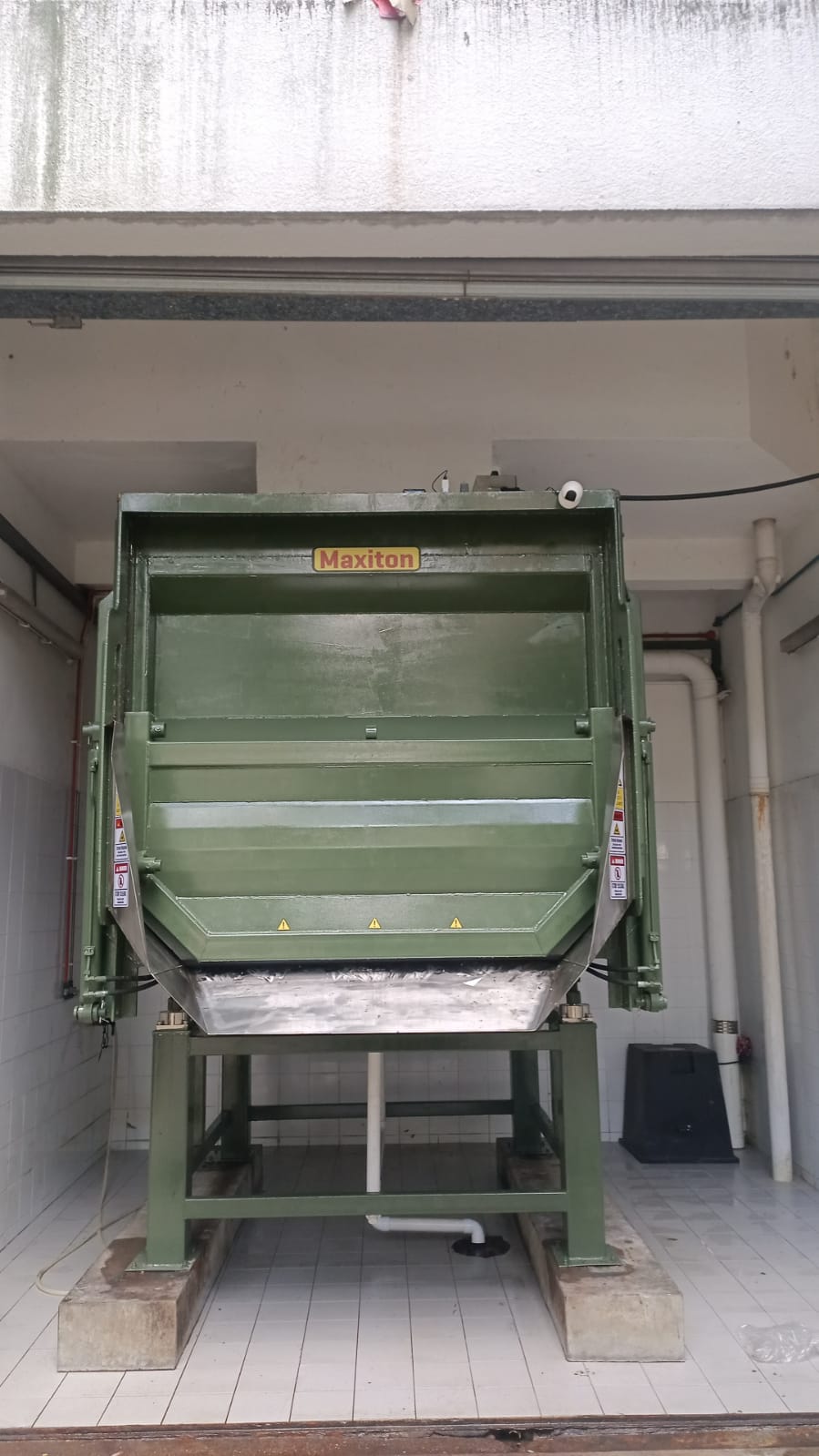
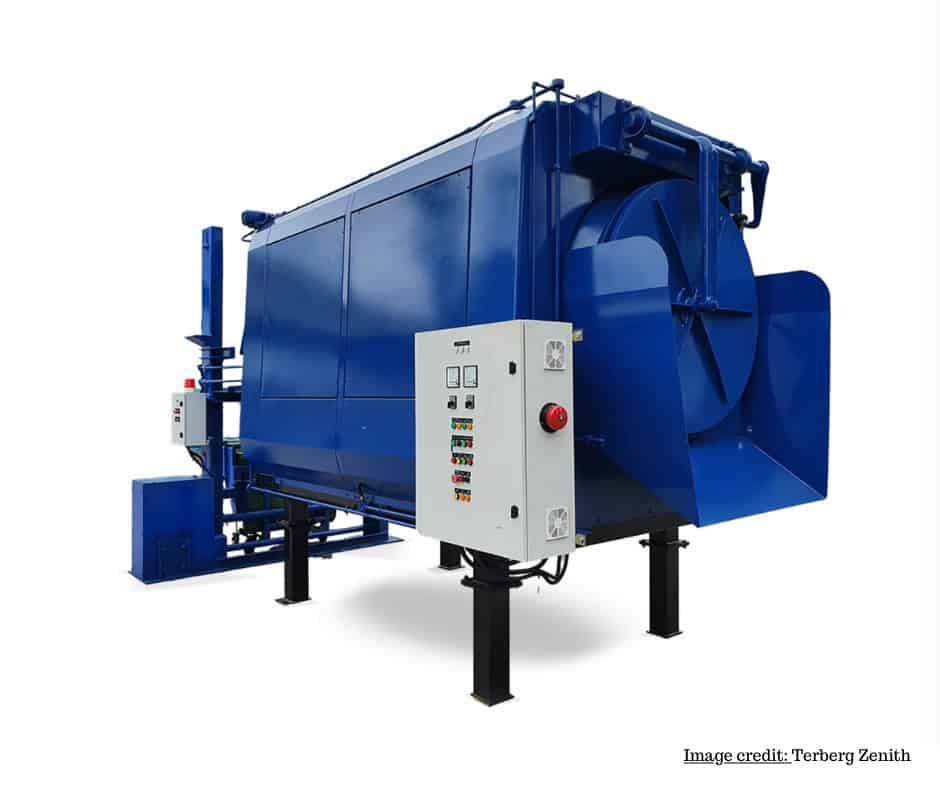
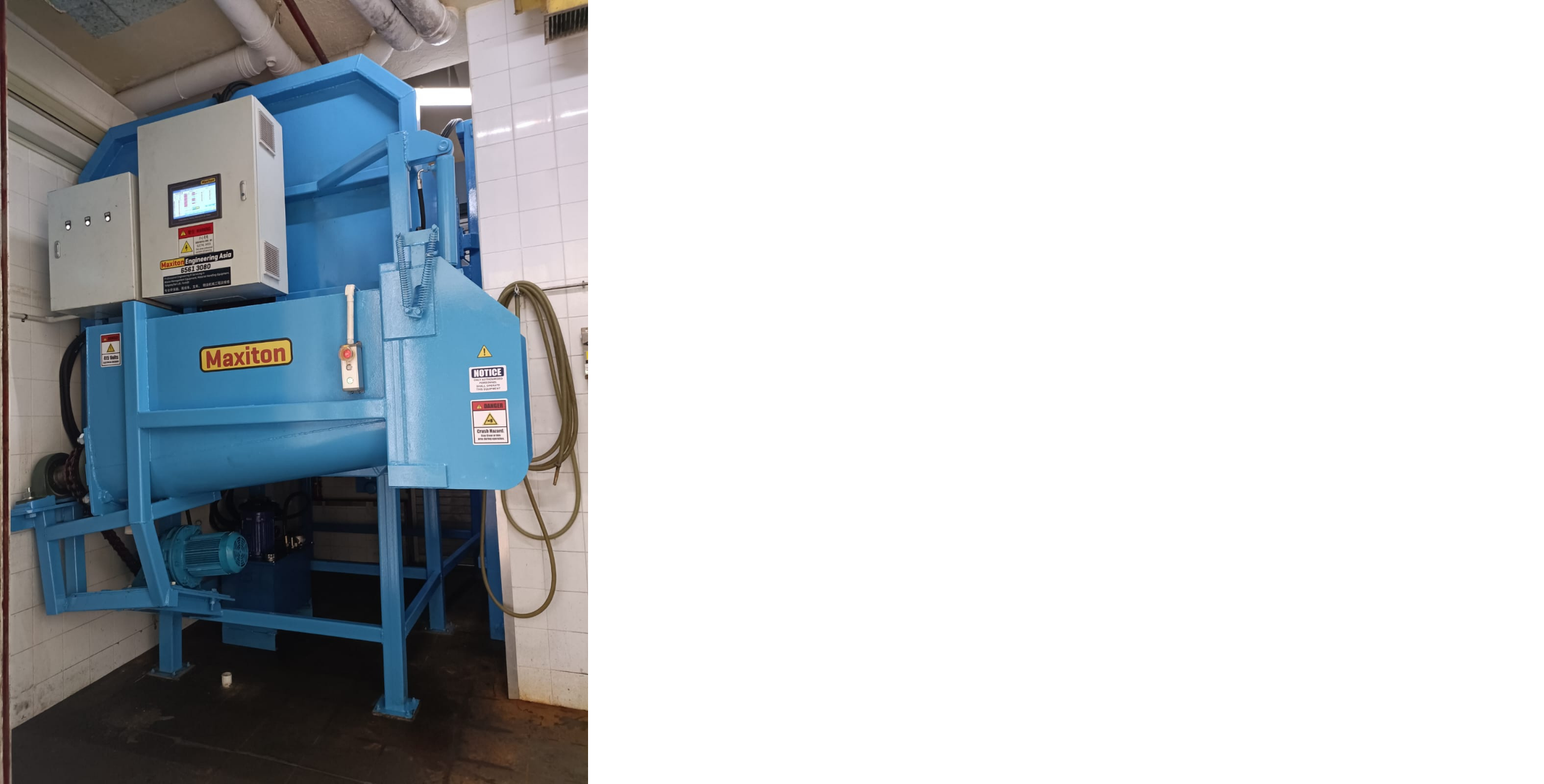
Every compliant waste compactor must feature prominently placed emergency stop (E-stop) buttons. These mushroom-head red buttons immediately cut power to the hydraulic system when pressed, halting all compaction movement within seconds. Modern smart waste compactors feature multiple E-stop locations — typically at the operator panel, near the loading area, and at the rear of the machine.
Advanced systems now include networked E-stops that can be triggered remotely through IoT platforms, allowing facility managers to halt operations from a control room or even a mobile device if unsafe conditions are detected.
Interlocking Safety Guards
Interlock systems prevent the compactor from operating when access doors or panels are open. These mechanical and electrical interlocks ensure that maintenance personnel cannot be exposed to moving parts during a compaction cycle. The system uses magnetic or mechanical switches on all access points that must register as “closed” before the hydraulic power unit (HPU) will engage.
Overload and Pressure Protection
Hydraulic pressure relief valves prevent the system from exceeding safe operating pressures. When resistance from compacted material reaches the set threshold, pressure relief valves open to redirect hydraulic fluid back to the reservoir. This protects both the machinery and the structural integrity of the container or bin.
IoT-enabled monitoring systems can track hydraulic pressure in real time and alert facility teams if pressures approach unsafe levels repeatedly — often indicating a jam or mechanical issue requiring attention.
Anti-Reverse and Hold Valves
Pilot-operated check valves (POCVs) prevent the ram from drifting or falling under gravity when the system is idle or during a power failure. This is critical for vertical compactors or any unit where the ram could descend onto a worker during loading or maintenance.
Photoelectric Sensors and Proximity Detection
Modern compactors increasingly incorporate light curtains or photoelectric sensors around loading openings. If a person or object breaks the light beam during a compaction cycle, the system immediately stops. Some advanced models use LiDAR or ultrasonic proximity sensors for more comprehensive coverage around the equipment.
Singapore WSH Regulations for Waste Compactors
WSH Act and Machinery Provisions
Under the Workplace Safety and Health (Machinery) Regulations, waste compactors fall under the category of power-operated equipment that must be maintained in a safe condition. Key requirements include:
- Regular inspection and maintenance by competent persons
- Proper guarding of all dangerous moving parts
- Clear warning signage in English and relevant languages
- Safe systems of work documented and communicated to all operators
- Incident reporting for any machinery-related accidents
Risk Assessment Requirements
Facility owners must conduct and document risk assessments specific to waste compactor operations. This includes identifying hazards during normal operation, loading, maintenance, and emergency scenarios. The risk assessment must be reviewed whenever there are changes to the equipment, operating procedures, or workplace layout.
Operator Training and Competency
All personnel who operate or maintain waste compactors must receive adequate training. While there is no specific compactor operator licence in Singapore, the WSH Act requires that workers are trained and competent for the machinery they use. Good practice includes documented training records, refresher sessions, and competency assessments.
How Smart Compactors Make Compliance Easier
Automated Safety Logging
IoT-connected waste compactors automatically log every E-stop activation, interlock trip, pressure event, and cycle count. This digital trail simplifies compliance audits and provides evidence of proper maintenance and safe operation — something manual logbooks struggle to achieve consistently.
Scheduled Maintenance Alerts
Smart systems can track operating hours and cycle counts, then automatically alert facility teams when preventive maintenance is due. This helps ensure that safety-critical components like pressure relief valves, interlocks, and E-stop circuits are inspected on schedule rather than relying on calendar-based reminders that might be missed.
Remote Monitoring and Rapid Response
With remote monitoring capabilities, abnormal conditions such as repeated E-stop triggers, unusual pressure readings, or system faults can be flagged to facility managers immediately via SMS, email, or dashboard alerts. This enables faster investigation and resolution of potential safety issues before they escalate.
Best Practices for Facility Managers
- Conduct monthly safety inspections of all E-stops, interlocks, and warning signage
- Keep maintenance logs accessible and up to date — digital systems make this significantly easier
- Display clear operating instructions at the equipment location in languages understood by all operators
- Establish lockout/tagout (LOTO) procedures for all maintenance activities
- Review risk assessments annually or after any near-miss or incident
- Partner with equipment suppliers who provide ongoing maintenance support and safety training
Conclusion
Investing in waste compactors with comprehensive safety features is not just about meeting WSH regulations — it protects your workers, reduces liability, and minimises operational disruptions from accidents. Modern smart compactors with IoT connectivity take this further by automating safety documentation, providing real-time alerts, and ensuring maintenance never falls behind schedule.
For Singapore facility managers looking to upgrade their waste management equipment with safety and compliance in mind, choosing systems with built-in safety intelligence and remote monitoring capabilities provides both peace of mind and a clear audit trail for regulatory inspections.