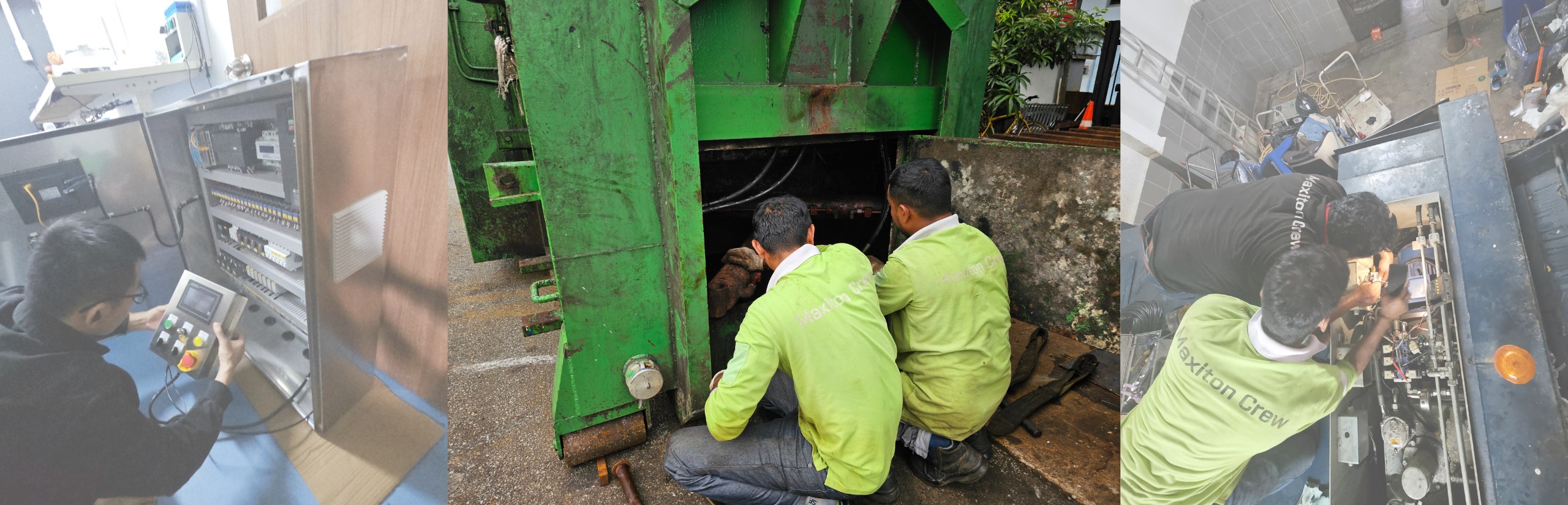
Waste compactors are workhorses. They run daily, compress tonnes of refuse, and operate in hot, humid conditions — often tucked away in basement bin centres where nobody thinks about them until something breaks.
For facility managers in Singapore, a compactor breakdown isn’t just an inconvenience. It means overflowing waste, resident complaints, pest issues, and emergency repair bills that can run into thousands of dollars. The good news: most compactor failures are preventable with a structured maintenance programme.
This guide covers what to inspect, how often, and when to call in professional servicing — so your compactors keep running without surprises.
Why Preventive Maintenance Matters for Waste Compactors
A solid waste compactor operates under extreme mechanical stress. The hydraulic ram exerts forces of 20 to 50 tonnes per cycle, compressing mixed waste that may include sharp objects, liquids, and abrasive materials. Over time, this takes a toll on seals, hoses, electrical components, and structural elements.
Without regular maintenance:
- Hydraulic leaks develop from worn seals, reducing compaction force and creating slip hazards
- Electrical faults accumulate from moisture ingress and vibration-loosened connections
- Corrosion accelerates in Singapore’s tropical climate, weakening structural components
- Safety systems degrade — emergency stops, interlocks, and sensors may fail silently
A well-maintained compactor typically lasts 15–20 years. A neglected one may need major overhaul or replacement within 7–10 years — a significant capital cost difference for any building management.
Daily Checks: What Operators Should Do Every Shift
These take less than 5 minutes and catch problems early:
- Visual inspection — check for oil puddles, unusual debris around the machine, and any visible damage to the hopper or chamber
- Listen for abnormal sounds — grinding, knocking, or high-pitched whining during compaction cycles indicates mechanical issues
- Check the control panel — note any error codes, warning lights, or unusual readings on pressure gauges
- Verify safety systems — test the emergency stop button and confirm door interlocks engage properly
- Clear the hopper area — remove any jammed items or debris that could obstruct the next cycle
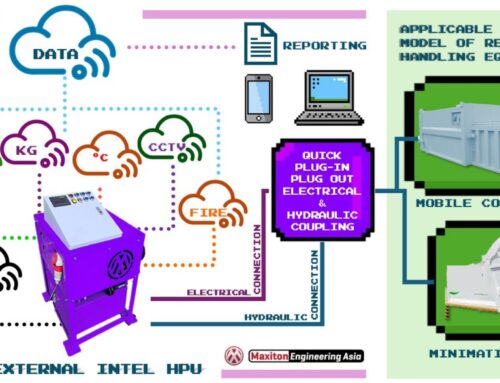
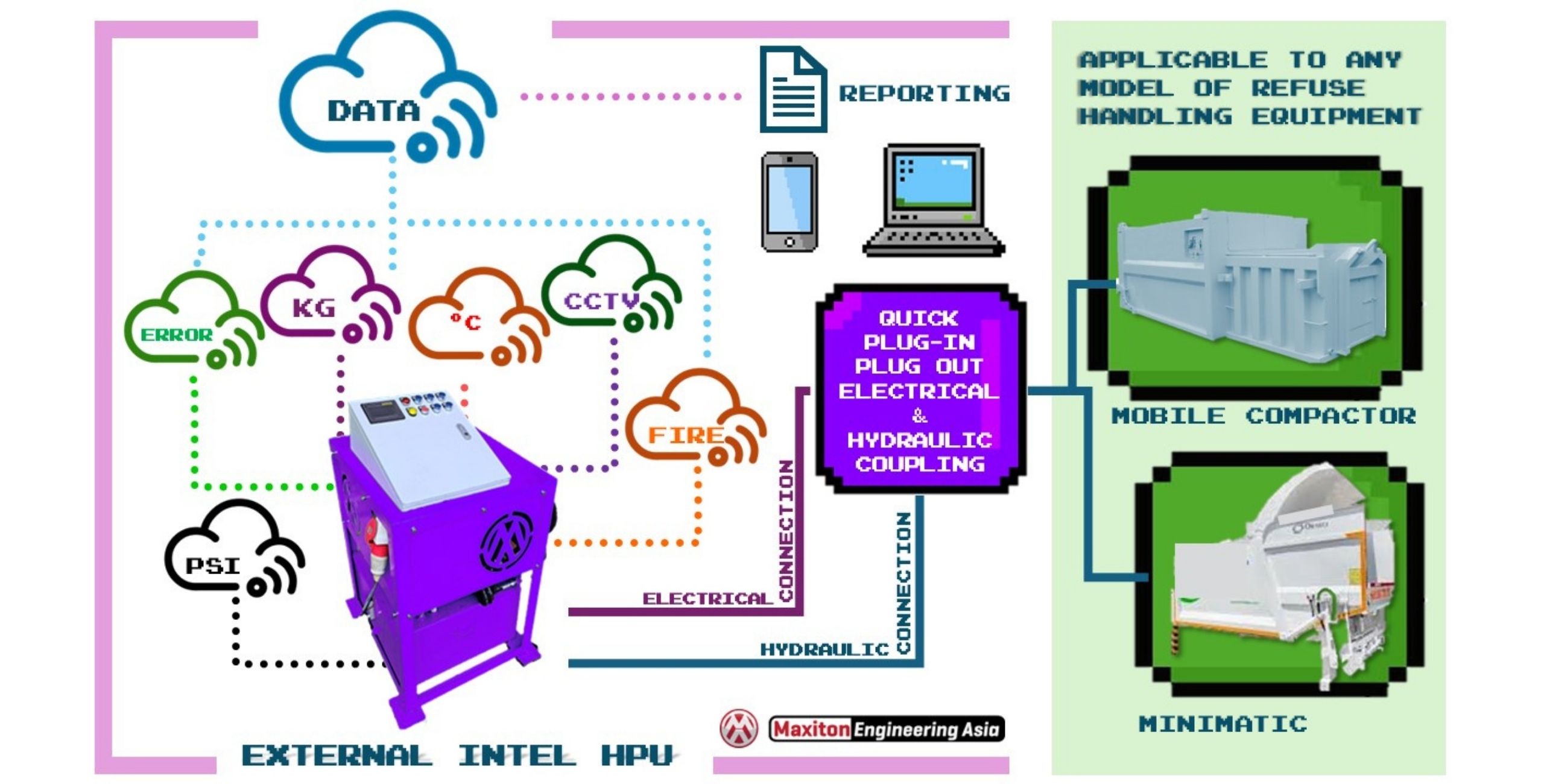
If your compactor is equipped with IoT monitoring, many of these checks happen automatically — sensors detect abnormal pressure, temperature spikes, and error states in real time.
Weekly Maintenance Tasks
These require slightly more time but prevent the most common failure modes:
Hydraulic System
- Check hydraulic oil level in the reservoir — top up if below the minimum mark
- Inspect all visible hoses and fittings for weeping, bulging, or abrasion damage
- Check the oil colour — milky appearance indicates water contamination; dark or burnt smell means overheating
- Wipe down the hydraulic cylinder rod to remove grit that could damage seals
Electrical Components
- Inspect the control panel for signs of moisture, corrosion, or pest intrusion (cockroaches and geckos are common culprits in Singapore bin centres)
- Check all cable connections are secure — vibration loosens terminals over time
- Test all indicator lights and displays are functioning
Structural and Mechanical
- Inspect wear plates inside the compaction chamber — excessive wear reduces efficiency
- Check door hinges, latches, and seals for damage or misalignment
- Lubricate guide rails and pivot points per manufacturer specifications
- Inspect the container hook or coupling mechanism for wear
Monthly and Quarterly Servicing
These tasks typically require a trained technician:
Monthly
- Full hydraulic pressure test — verify the system reaches rated compaction force
- Inspect and clean all sensors (fill level, temperature, pressure transducers)
- Check motor current draw against baseline — rising amperage indicates increased mechanical resistance
- Inspect all safety interlocks and guards with documented test results
- Clean or replace air filters on the hydraulic power unit
Quarterly
- Hydraulic oil sampling and analysis — check for contamination, metal particles, and degradation
- Full electrical inspection including insulation resistance testing
- Structural inspection of the compaction chamber, ram face, and container
- Calibration check on all monitoring sensors
- Review and update the maintenance log
For buildings with multiple compactors or complex waste systems, professional maintenance contracts ensure nothing falls through the cracks — and provide priority response when issues do arise.
Annual Overhaul: What a Full Service Includes
Once a year, schedule a comprehensive service that covers:
- Complete hydraulic oil change and filter replacement
- Replacement of all wear seals (cylinder seals, door seals, wiper seals)
- Full electrical system audit including PLC diagnostics
- Structural integrity assessment — checking for cracks, fatigue, and corrosion
- Repainting or protective coating of exposed steel surfaces
- Replacement of worn components (wear plates, guide shoes, bushings)
- Complete safety system certification
This is also the right time to consider upgrades — adding smart control panels or IoT sensors to older machines can extend their useful life while adding modern monitoring capabilities.
Singapore-Specific Considerations
Operating waste compactors in Singapore presents unique challenges:
Climate
High humidity (often above 80%) accelerates corrosion and promotes moisture ingress into electrical systems. Bin centres in basement levels may have poor ventilation, compounding the issue. Ensure adequate drainage and consider dehumidification for enclosed compactor rooms.
Regulatory Requirements
Under the Environmental Public Health Act, building owners must maintain waste management systems in proper working order. NEA inspections can result in fines for non-compliant or malfunctioning equipment. Documented maintenance records demonstrate due diligence.
Space Constraints
Many Singapore buildings have tight bin centres with limited access for maintenance. When specifying new compactors, consider models designed for constrained spaces — like the Smart Dual Compactor which maximises compaction capacity within a compact footprint.
Signs Your Compactor Needs Immediate Attention
Don’t wait for the next scheduled service if you notice:
- Slow cycle times — the ram takes noticeably longer to complete a stroke (hydraulic issue)
- Incomplete compaction — waste isn’t being compressed to normal density (pressure loss)
- Oil on the floor — any visible hydraulic leak needs immediate repair
- Unusual noises — banging, grinding, or squealing during operation
- Error codes that won’t clear — persistent faults indicate a real problem, not a glitch
- Overheating — the hydraulic power unit running hot or tripping thermal protection
For urgent issues, having a repair and retrofit partner on standby means faster resolution and less downtime.
Building a Maintenance Programme That Works
The most effective maintenance programmes combine scheduled inspections with condition-based monitoring:
- Document everything — maintain a log of all inspections, repairs, and component replacements
- Train your operators — daily checks only work if the people doing them know what to look for. Equipment training programmes build this capability
- Use data — if your compactor has IoT monitoring, use trend data to predict failures before they happen
- Budget for it — allocate maintenance costs as a line item, not an afterthought. Preventive maintenance typically costs 20–30% of what reactive repairs cost over the equipment’s lifetime
- Review annually — adjust your programme based on what’s actually failing and what’s working
The Bottom Line
A waste compactor that receives proper preventive maintenance runs reliably, lasts longer, and costs less over its lifetime. For Singapore facility managers juggling multiple building systems, a structured maintenance checklist — supported by professional servicing and modern monitoring technology — is the most practical way to keep waste operations running smoothly.
Need help setting up a maintenance programme for your compactors? Get in touch with Maxiton to discuss maintenance contracts, equipment upgrades, or IoT integration for your existing machines.