Why Green Building Certification Matters for Singapore Waste Management
Singapore’s push toward sustainability is no longer optional for building owners. The Building and Construction Authority (BCA) Green Mark scheme — now in its enhanced 2021 iteration — evaluates buildings across energy efficiency, water conservation, environmental protection, and increasingly, waste management practices.
For facility managers and building owners targeting Green Mark certification (or maintaining existing ratings), waste management infrastructure has become a critical evaluation area. The days of simply having a bin centre are over — assessors now look at waste reduction strategies, recycling rates, smart monitoring, and operational efficiency.
This guide explains how smart waste compactors and IoT-enabled waste management systems help Singapore buildings meet and exceed green building standards.
How BCA Green Mark Evaluates Waste Management
Under the Green Mark 2021 framework, waste management falls primarily under the “Whole Life Carbon” and “Health and Well-being” categories. Key evaluation criteria include:
- Waste minimisation strategies — documented plans to reduce waste generation
- Recycling infrastructure — dedicated recycling facilities with measurement capabilities
- Operational waste data — ability to track, measure, and report waste volumes
- Smart building integration — automation and IoT systems that improve environmental performance
- Odour and hygiene management — enclosed, sealed waste systems that protect indoor air quality
Buildings that can demonstrate data-driven waste reduction, automated monitoring, and measurable recycling outcomes score significantly higher than those relying on manual processes.
Smart Compactors and Green Mark Compliance
Measurable Waste Data (Audit-Ready Reporting)
One of the biggest challenges for Green Mark submissions is providing verifiable waste data. Traditional waste management produces no records — the truck comes, collects, and leaves. You have invoices, but no granular data on volumes, weights, or trends.
IoT-enabled compactors solve this by recording every compaction cycle — including weight, fill level, timestamp, and frequency. This generates a complete, auditable waste management dataset that Green Mark assessors can verify.
Benefits for certification:
- Monthly waste volume reports with actual tonnage data
- Year-over-year waste reduction trend analysis
- Evidence of optimised collection schedules (fewer truck trips = lower carbon footprint)
- Proof of equipment uptime and operational efficiency
Reduced Collection Frequency (Lower Carbon Footprint)
Smart compactors with fill-level monitoring enable on-demand waste collection rather than fixed schedules. For a typical Singapore condominium, this means:
- 30-40% fewer collection trips per month
- Corresponding reduction in diesel emissions from waste trucks
- Lower noise pollution from reduced truck movements
- Documented evidence of transport-related carbon savings
These metrics directly support Green Mark scoring in the environmental protection category. The data exists automatically in the IoT monitoring dashboard — no manual tracking required.
Sealed Systems for Better Indoor Air Quality
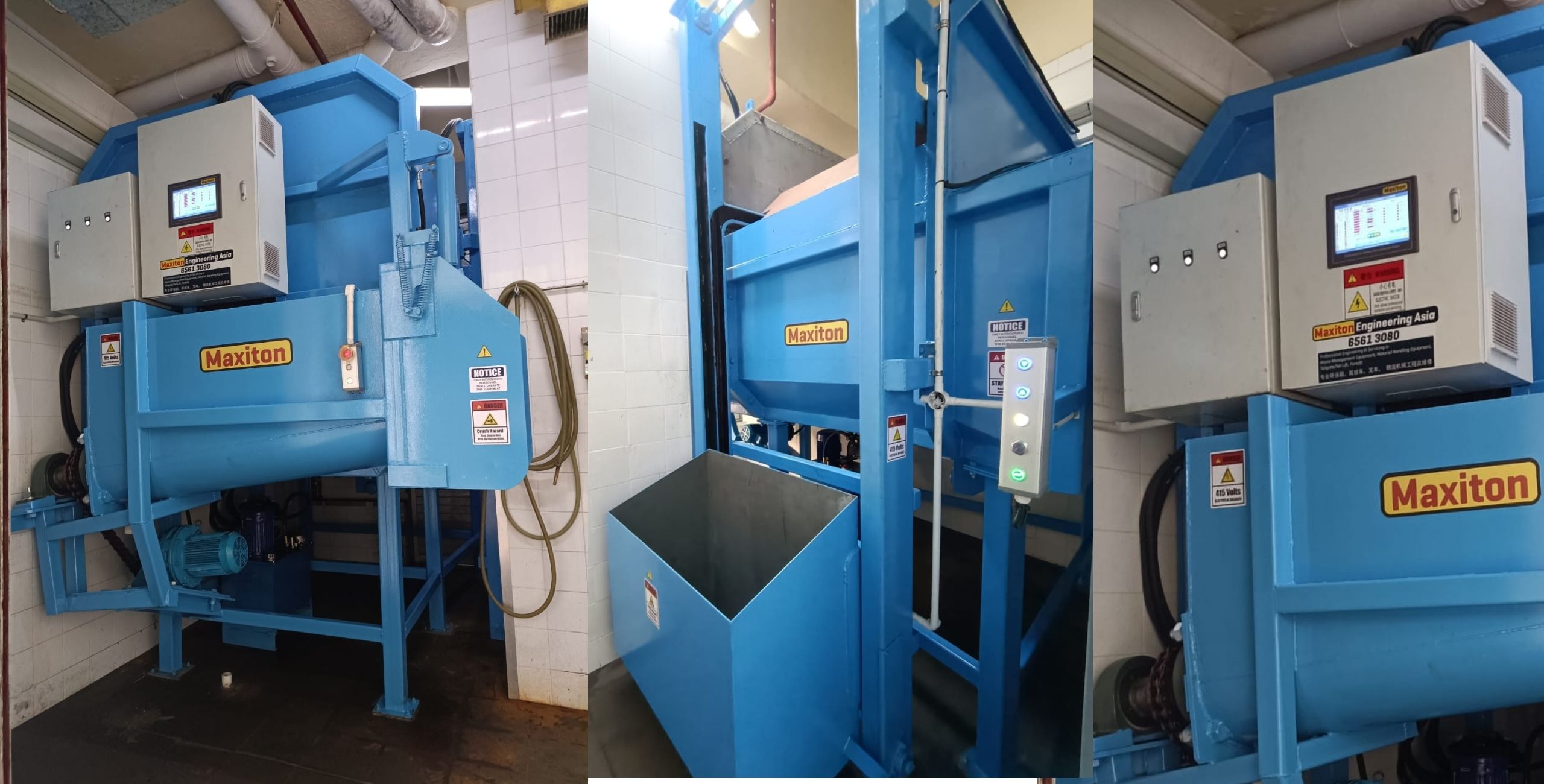
Green Mark’s health and well-being criteria evaluate odour management in waste areas. Modern smart compactors feature:
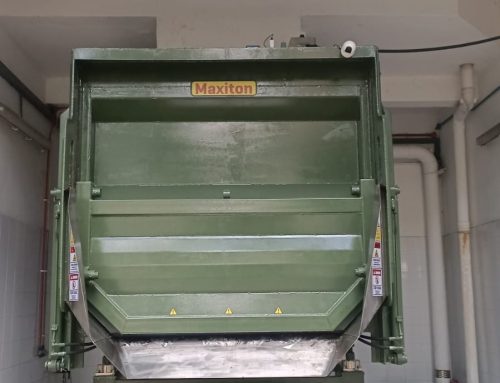
- Fully sealed compaction chambers preventing odour escape
- Continuous compaction reducing exposed waste surface area
- Faster turnover cycles meaning waste spends less time decomposing
- Temperature monitoring to detect and prevent odour-causing heat buildup
For buildings in the refuse chute system category, sealed compactors at the base of chutes eliminate the traditional bin centre odour problem entirely.
Food Waste Reduction: A Growing Green Mark Factor
Singapore’s National Environment Agency (NEA) now mandates food waste reporting for large commercial premises. Green Mark increasingly recognises on-site food waste treatment as a sustainability differentiator.
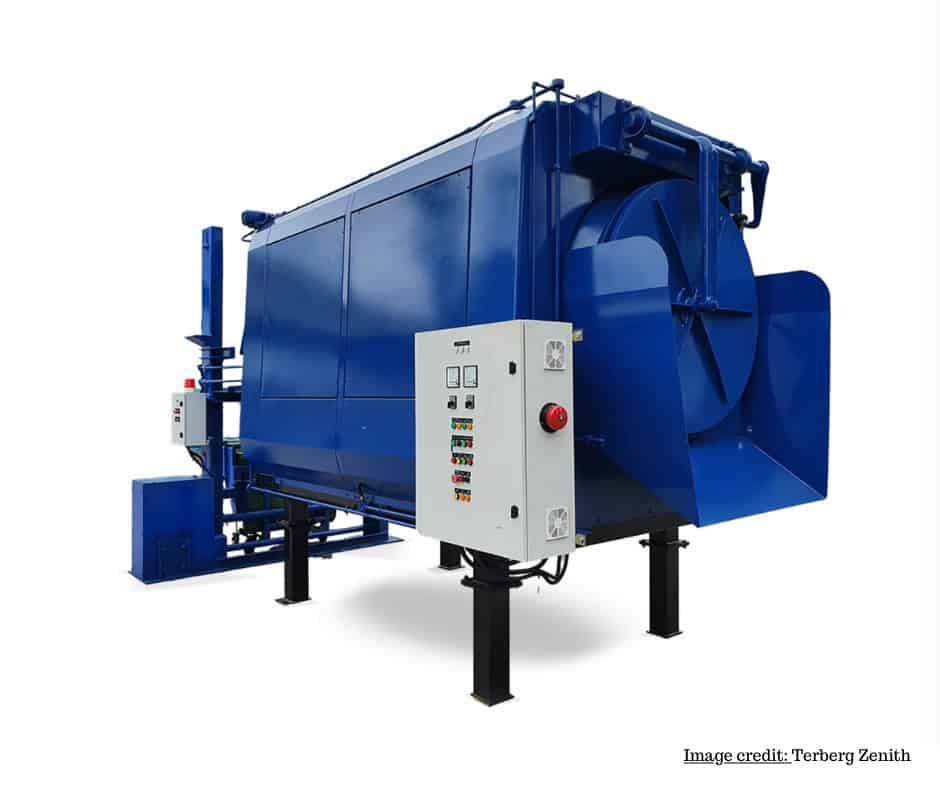
Food digesters installed in commercial kitchens, hotels, or mixed-use developments can:
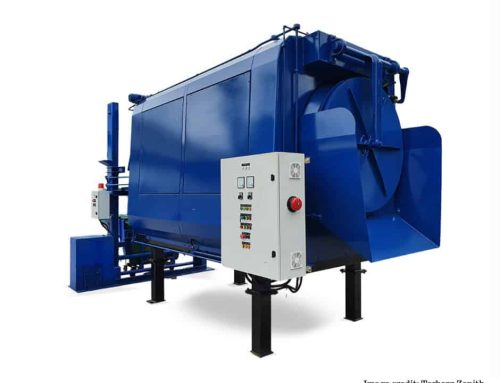
- Reduce food waste volume by up to 90% through aerobic decomposition
- Eliminate food waste from the general waste stream entirely
- Produce usable compost for landscaping (closing the loop)
- Generate measurable waste diversion data for Green Mark submissions
Combining a food digester with a smart compactor for general waste gives buildings a comprehensive, data-rich waste management system that scores highly across multiple Green Mark criteria.
Recycling Integration: Tracking What Matters
Green Mark awards additional points for verifiable recycling rates. The challenge has always been measurement — how do you prove your building actually recycles 30% of its waste?
Smart recycling weighing platforms solve this by weighing every bag of recyclables as it enters the recycling stream. Combined with general waste data from smart compactors, buildings can calculate and report:
- Exact recycling rate (recyclables ÷ total waste × 100)
- Recycling trends over time (monthly, quarterly, annual)
- Contamination rates and improvement measures
- Per-unit or per-tenant waste and recycling breakdowns
This level of granularity transforms recycling from a vague aspiration into a measurable, improvable KPI — exactly what Green Mark assessors want to see.
Implementation Roadmap for Green Mark Waste Compliance
For facility managers planning a Green Mark submission (or upgrade), here’s a practical roadmap:
Phase 1: Baseline Measurement (Month 1-2)
- Install IoT-enabled compactors or retrofit existing units with sensors
- Begin collecting weight, volume, and frequency data
- Establish current waste generation baseline
Phase 2: Optimisation (Month 3-6)
- Switch to on-demand collection based on fill level data
- Implement recycling weighing and tracking
- Install food digesters for applicable premises
- Document waste reduction initiatives
Phase 3: Certification Submission (Month 6+)
- Generate comprehensive waste management reports from IoT data
- Demonstrate measurable improvements vs baseline
- Submit data-backed evidence for Green Mark evaluation
The Competitive Advantage of Green Waste Management
Beyond certification, green waste management delivers tangible business value:
- Lower operating costs — fewer collections, less energy waste, reduced maintenance
- Higher property valuations — Green Mark Platinum buildings command 2-10% rental premiums in Singapore
- Tenant attraction — corporate tenants increasingly require green-certified premises for ESG reporting
- Regulatory readiness — stay ahead of tightening NEA waste management regulations
Smart waste management is not just a compliance checkbox — it’s a strategic investment that pays for itself through operational savings while future-proofing your building against evolving sustainability requirements.
Maxiton Engineering Asia provides complete smart waste management solutions designed for Singapore’s green building standards. From IoT-enabled compactors to recycling weighing platforms and food digesters, our systems generate the data you need for Green Mark certification. Request a consultation to assess your building’s waste management upgrade path.