The Growing Pains of High-Volume Waste Properties
For most Singapore condominiums and small commercial buildings, a single smart compactor handles daily waste volumes comfortably. But what happens when a property generates more waste than one machine can process?
Large mixed-use developments, shopping malls, hospitals, industrial parks, and high-density residential estates often hit the limits of standalone compactors. The symptoms are familiar:
- Compactor reaches full capacity before the next scheduled collection
- Overflow waste accumulates in the bin centre
- Multiple collection trips per day become necessary
- Loading dock congestion from frequent truck visits
- Odour and hygiene issues from exposed waste waiting for compaction
- Manual handling of heavy bins creates workplace safety risks
When these problems become chronic, it’s time to consider a waste transfer station — a centralised system designed to consolidate, compact, and stage large volumes of waste for efficient bulk collection.
What Is a Waste Transfer Station?
A waste transfer station is an engineered facility within a building or estate that serves as the central hub for all waste streams. Unlike a standalone compactor that handles one bin at a time, a transfer station is designed for continuous, high-throughput waste processing.
Key components typically include:
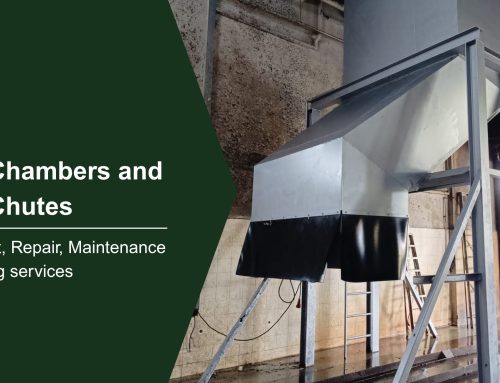
- Receiving area — where waste from multiple sources converges (chutes, bins, trolleys)
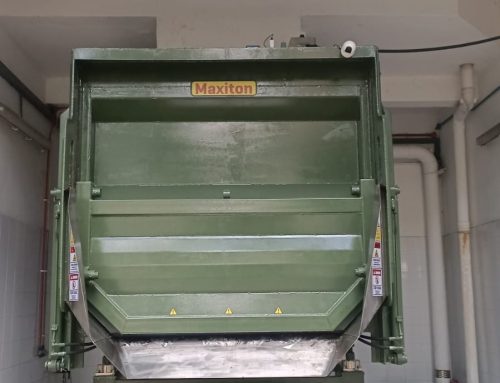
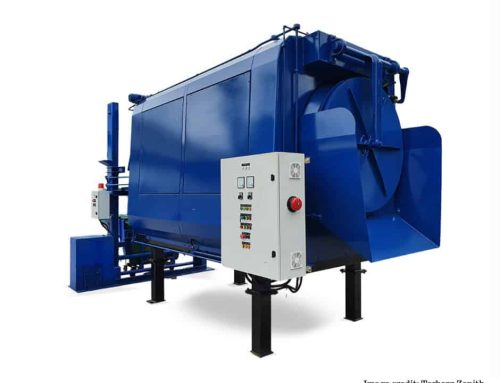
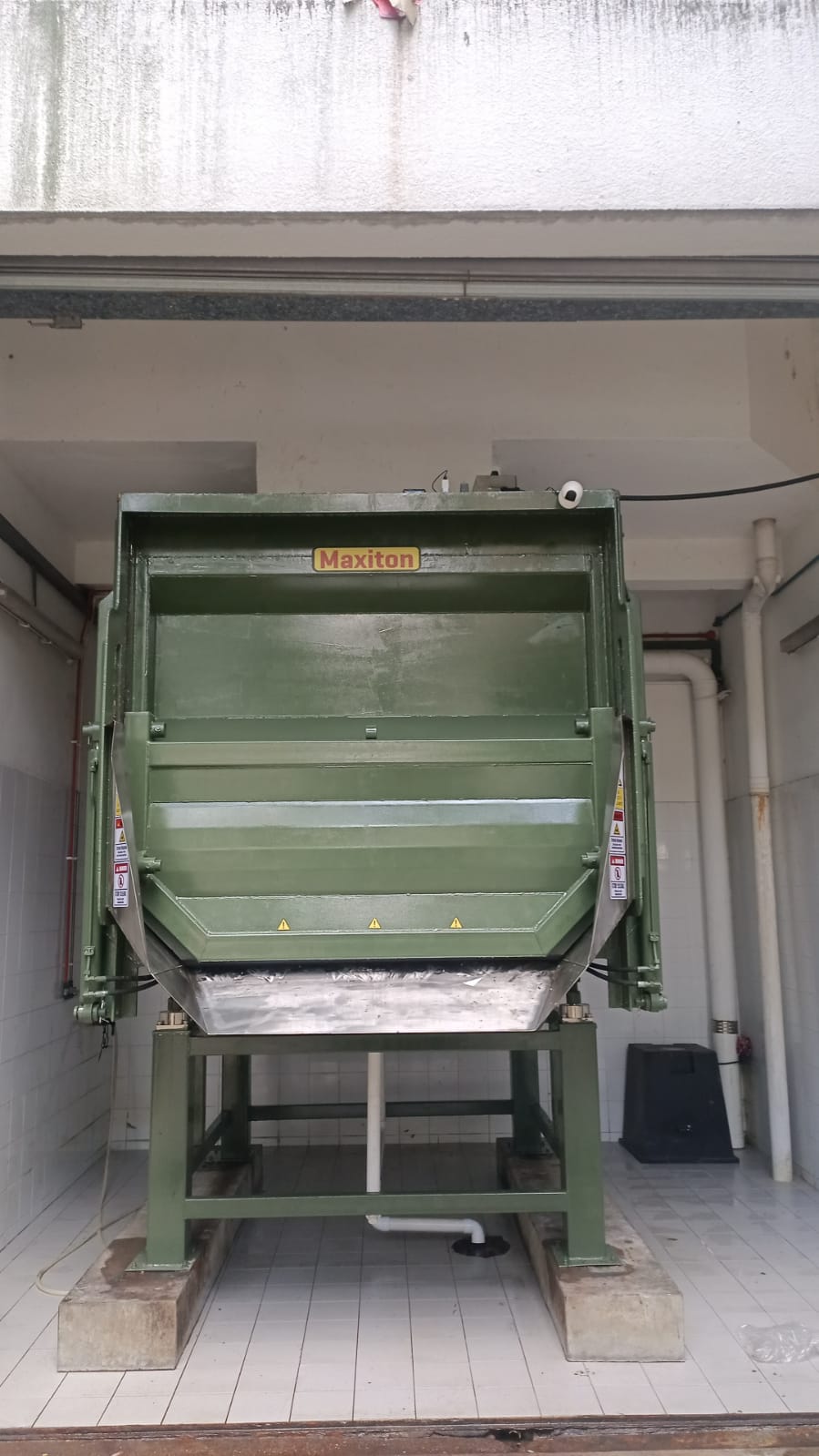
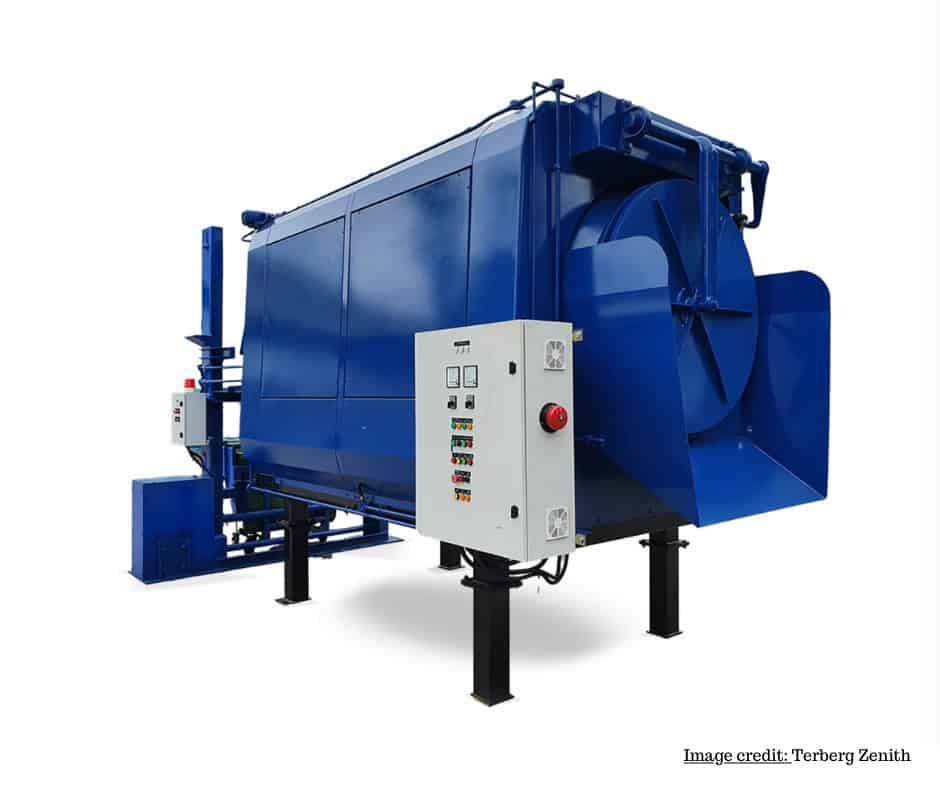
- Compaction system — heavy-duty ram compactors sized for high volumes
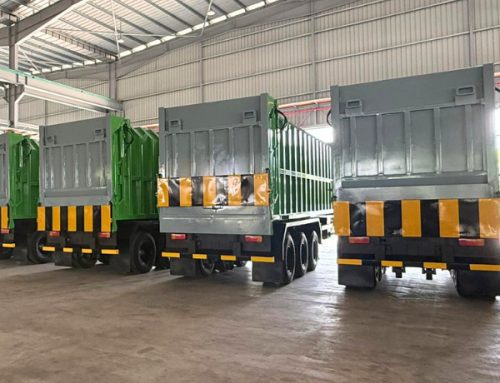
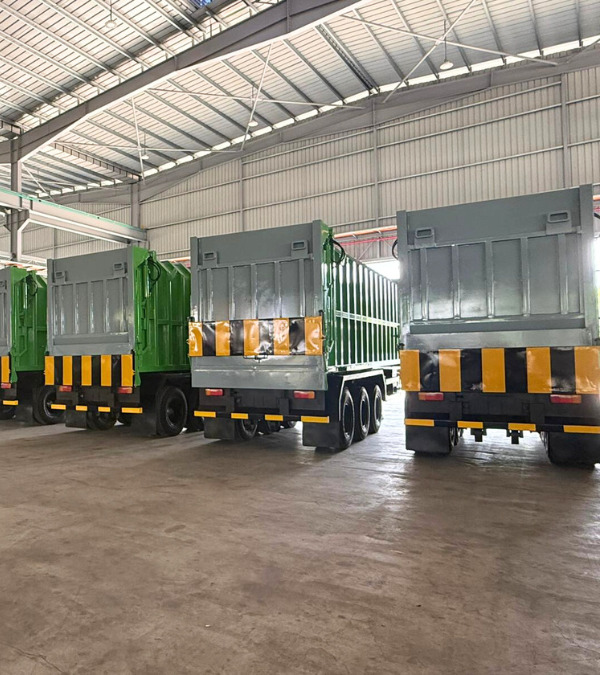
- Container staging — hook-lift or roll-on/roll-off containers for bulk waste storage
- Bin lifting equipment — automated bin lifters that eliminate manual handling
- Weighing systems — built-in scales to track waste volumes for billing and reporting
- IoT monitoring — real-time status of fill levels, equipment health, and collection readiness
The result is a system that can handle 5-50 tonnes of waste per day from a single location, with minimal manual intervention and maximum collection efficiency.
When Does a Property Need a Transfer Station?
Volume Indicators
Consider a waste transfer station when your property consistently experiences:
- More than 3-5 tonnes of waste per day — beyond the practical capacity of standalone compactors
- Multiple waste streams requiring separation — general waste, recyclables, food waste, and bulky items each need dedicated handling
- More than 2 collection trips per day — frequent truck visits indicate the staging capacity is insufficient
- Loading dock scheduling conflicts — waste trucks competing with delivery vehicles for dock access
Property Types That Typically Require Transfer Stations
- Large shopping malls — high foot traffic, food courts, and retail packaging generate sustained high volumes
- Mixed-use developments — residential towers above commercial podiums create complex, multi-stream waste challenges
- Hospitals and healthcare facilities — regulated waste streams requiring careful handling and documentation
- Industrial estates — manufacturing, packaging, and logistics operations with predictable high-volume output
- Mega condominiums (1000+ units) — large residential populations that overwhelm single-compactor setups
- Convention centres and hotels — event-driven waste spikes that exceed routine capacity
How a Waste Transfer Station Improves Operations
Fewer, Larger Collections
Instead of multiple small truck visits throughout the day, a transfer station compacts waste into large containers (typically 20-30 cubic metres) that are collected once or twice daily by hook-lift trucks. This means:
- Fewer truck movements in and out of the property
- Reduced loading dock congestion
- Lower transport costs per tonne of waste
- Reduced diesel emissions and noise from collection vehicles
- Predictable collection windows that don’t disrupt building operations
Elimination of Manual Bin Handling
In traditional setups, workers manually push heavy 660L or 1100L bins from collection points to the compactor. In a transfer station, automated bin lifters and conveyors handle the heavy work:
- Bins are lifted and tipped mechanically into the compactor hopper
- No manual lifting of heavy loads — eliminating back injury risks
- Faster processing — a bin lifter empties a bin in seconds vs minutes of manual manoeuvring
- Consistent operation regardless of worker availability or fatigue
This directly addresses Singapore’s Workplace Safety and Health (WSH) requirements for waste handling operations.
Centralised Waste Stream Separation
A well-designed transfer station includes separate receiving and compaction lanes for different waste streams:
- General waste — compacted into the main container for disposal
- Recyclables — weighed on a recycling weighing platform and staged for recycling collection
- Food waste — diverted to an on-site food digester or separate collection
- Bulky waste — staged in a dedicated area for scheduled bulky item collection
This separation at source improves recycling rates, reduces contamination, and ensures each waste stream follows the most cost-effective disposal route.
Design Considerations for Singapore Properties
Space Planning
Transfer stations require more space than standalone compactors, but modern designs are optimised for Singapore’s space constraints:
- Footprint — typically 50-150 square metres depending on throughput requirements
- Ceiling height — minimum 4-5 metres for bin lifting equipment and container access
- Access — truck turning radius and dock design for hook-lift container swap
- Ventilation — enclosed systems with mechanical ventilation to contain odours
- Drainage — floor drains with grease traps for washdown maintenance
For new developments, transfer stations are best planned during the architectural design phase. For existing buildings, waste management consultancy can identify retrofit options within existing basement or ground-floor spaces.
Automation Level
Transfer stations range from semi-automated to fully automated depending on budget and volume:
- Semi-automated — manual bin positioning with automated lifting and compaction
- Fully automated — AGV (automated guided vehicle) bin transport, automatic lifting, and compaction with minimal human intervention
- Smart monitored — both levels can include IoT sensors for remote monitoring, predictive maintenance, and automated collection scheduling
Maxiton’s AGV stacker systems can automate bin movement within the transfer station, reducing labour requirements while maintaining 24/7 operational capability.
Smart Control Integration
Modern transfer stations use smart control panels that coordinate all subsystems:
- Sequence control for bin lifting, compaction, and container management
- Safety interlocks preventing operation during maintenance or access
- Remote monitoring and diagnostics via cloud dashboard
- Automated alerts for faults, full containers, or maintenance schedules
- Energy management to optimise motor run times and reduce power costs
Cost-Benefit Analysis: Transfer Station vs Multiple Compactors
Properties sometimes consider deploying multiple standalone compactors instead of a centralised transfer station. Here’s how the options compare:
Multiple Standalone Compactors
- Lower upfront cost per unit
- Distributed — waste doesn’t need to travel far to a compaction point
- But: each unit needs separate collection, separate maintenance, separate monitoring
- Higher total collection costs (multiple truck visits to multiple locations)
- No centralised weighing or waste stream data
Centralised Transfer Station
- Higher initial investment
- But: single collection point with bulk container pickup (much lower per-tonne collection cost)
- Unified monitoring dashboard for all waste streams
- Single maintenance schedule, single point of contact
- Built-in weighing for accurate billing and reporting
- Scalable — can handle growth without adding equipment
For properties generating more than 5 tonnes per day, the centralised approach almost always delivers lower total cost of ownership within 2-3 years, while providing superior data, cleaner operations, and room for growth.
Future-Proofing: Building for Tomorrow’s Waste Requirements
Singapore’s waste management landscape is evolving rapidly. NEA regulations are tightening, reporting requirements are expanding, and sustainability expectations from tenants and residents continue to grow. A transfer station designed today should accommodate:
- Waste charging readiness — when Singapore implements waste-by-weight charging, properties with existing weighing systems will transition seamlessly
- Expanded recycling streams — space for additional separation as new recyclable categories emerge
- Data integration — APIs and connectivity for integration with building management systems (BMS) and smart city platforms
- Electric vehicle compatibility — as waste collection fleets electrify, dock designs should accommodate EV charging infrastructure
Investing in a properly engineered transfer station today means avoiding costly retrofits as regulations evolve over the next decade.
Maxiton Engineering Asia designs and manufactures complete waste transfer station systems for Singapore’s commercial and residential properties. From initial consultancy through design, manufacturing, installation, and ongoing maintenance, we provide end-to-end waste infrastructure solutions. Request a site assessment to determine whether your property is ready for a transfer station upgrade.