Recycling performance in commercial and institutional buildings is no longer just about setting aside bins and hoping occupants sort waste correctly. For many facilities in Singapore, the harder problem is recycling contamination — mixed waste entering the recycling stream, inflating handling costs, and reducing the value of recovered material.
Contamination can happen at almost every stage. Tenants may place food-soiled packaging into recycling bins, cleaners may consolidate streams too early, or loading bay teams may lack visibility into which areas of the building are producing poor-quality recyclables. Without data, contamination is treated as a general problem instead of an operational issue that can be located, measured, and improved.
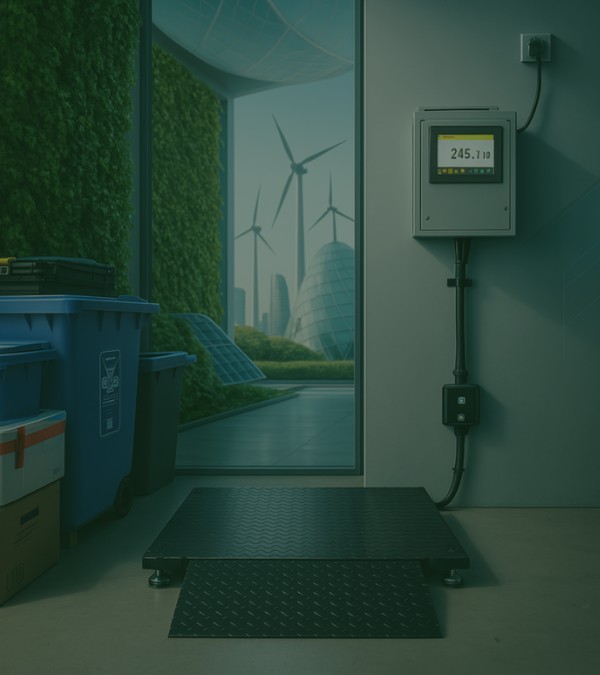
That is where smart weighing systems become useful. Maxiton’s Smart Recycling Waste Weighing Platform gives facilities a more disciplined way to track recycling volumes, compare waste streams, and identify where contamination control efforts are falling short.
Why contamination is such a costly issue
When recyclable material is contaminated, the result is usually re-sorting, rejection, lower downstream value, or complete diversion back into general waste handling. That weakens sustainability reporting and undermines the credibility of recycling programmes inside the property.
For facility managers in Singapore, contamination also creates management problems. Teams may not know whether the issue comes from one tenant cluster, one cleaning shift, a collection route, or a lack of clear process design. If everything is aggregated too early, root causes disappear.
Buildings that want better recycling outcomes need more than signage. They need measurement points that connect waste handling behaviour with actual quantities.
How smart weighing platforms improve control
A smart weighing platform creates accountability around waste movement. Instead of treating recycling as a vague sustainability activity, it turns it into a measurable building operation. Teams can record material weight by source, compare shifts or collection zones, and see how recycling volumes change after new tenant engagement or housekeeping measures are introduced.
In practical terms, this helps answer questions such as: Which block or tenant group is producing the most mixed recycling? Are contamination incidents linked to food and beverage tenants? Did a new training programme improve sorting quality over the last month? Is one waste room handling more recyclable material than expected?
When this information is paired with IoT integration for waste management equipment, facility teams can move closer to a monitored, auditable recycling workflow rather than relying on manual guesswork.
What a weighing platform helps you measure
- Recycling volume by source area or tenant cluster
- Collection patterns by day, week, or month
- Shifts in recycling participation after education campaigns
- Differences between expected recyclable output and actual measured recovery
- Operational anomalies that suggest contamination or improper segregation
Better data improves recycling behaviour
Data by itself does not reduce contamination, but it helps buildings target the right intervention. If one tower, tenant category, or operational zone consistently produces suspect loads, the facility manager can respond with focused training, signage updates, revised bin placement, or changes in collection flow.
This matters in Singapore because many facilities operate with limited back-of-house space and tight housekeeping schedules. When recyclables and general waste cross paths too early, contamination risk rises quickly. Better measurement gives teams a chance to redesign the process before the problem scales.
For mixed developments, malls, integrated properties, and commercial buildings, this can also support internal reporting to management, landlords, or sustainability stakeholders. The building is no longer saying it encourages recycling. It is showing where recovery is improving and where contamination still needs work.
Where weighing platforms fit within a broader waste strategy
Smart weighing platforms work best when they are not isolated from the rest of the waste system. Buildings often benefit more when weighing data is reviewed alongside compactor usage, collection frequency, and service activity across the property.
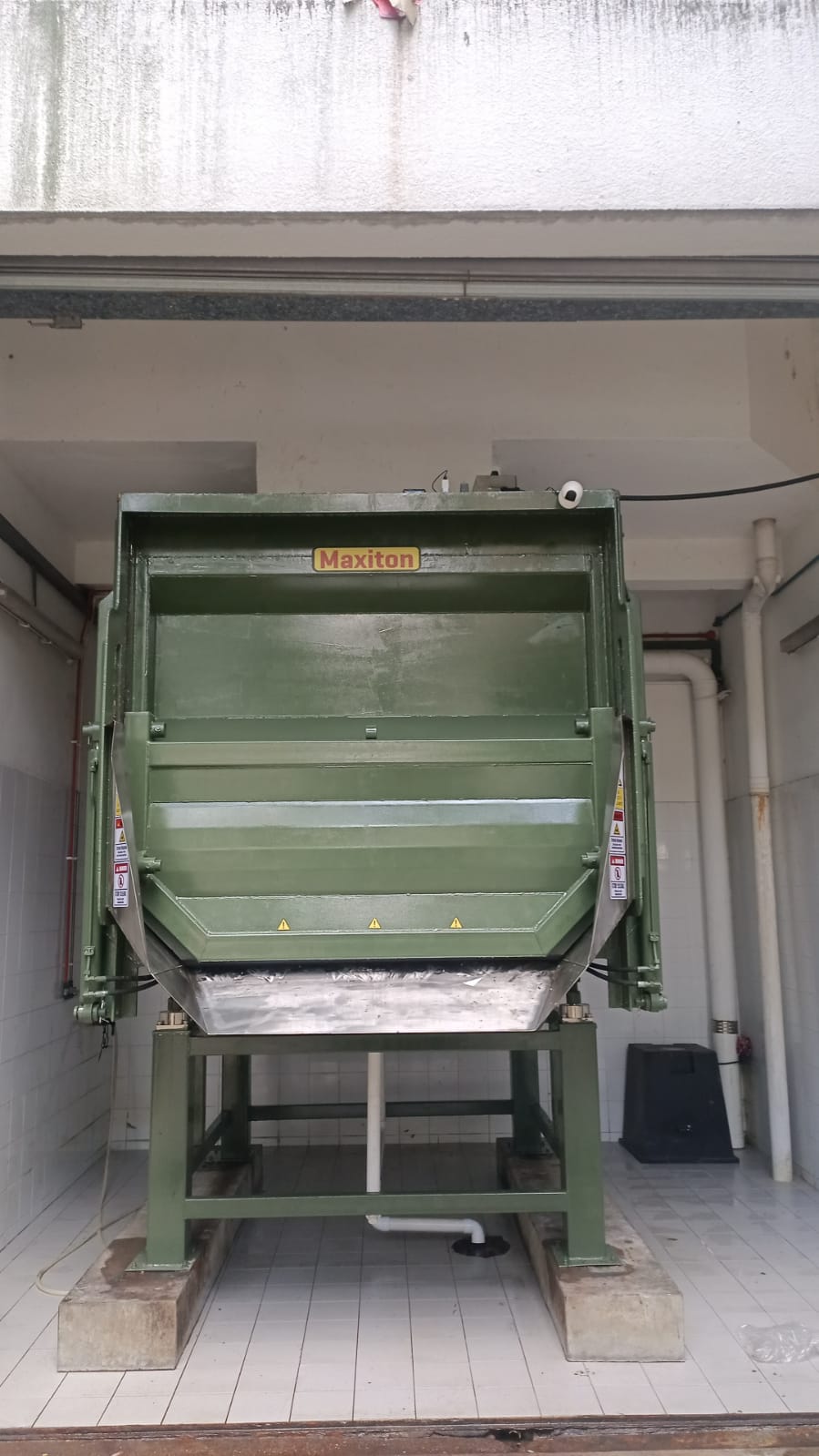
For example, a facility may pair a recycling weighing workflow with a Smart Compactor for general waste and use the contrast in stream volumes to refine tenant engagement. Others may combine it with maintenance and servicing support to keep weighing systems reliable and aligned with site operations.
Some buildings may also need engineering review to determine the best location for weighing equipment, loading access, and workflow separation. That is where engineering consultancy or waste management engineering consultancy becomes useful.
Common contamination issues that facilities should watch
- Food residue in paper, carton, or plastic recycling streams
- General waste bags deposited into recycling holding areas
- Low visibility over waste origin once bins are consolidated
- Tenants using whichever bin is closest during busy periods
- Housekeeping teams prioritising speed over stream separation under time pressure
These are not abstract problems. They are building operations problems, and they are easier to solve when data is available at the point where waste enters the monitored workflow.
Why this matters for Singapore sustainability goals
Property owners and operators are under more pressure to show credible environmental performance, especially when reporting to headquarters, investors, or green building stakeholders. Recycling contamination weakens those claims because it breaks the link between collection effort and genuine recovery.
Measured recycling workflows give facilities a stronger base for improvement. They support cleaner reporting, better contractor conversations, and more disciplined internal processes. Just as importantly, they help operations teams move away from reactive waste handling toward a more systematic approach.
Moving from intention to measurable recycling performance
If your building is still relying on visual estimates or end-of-month assumptions, you may be missing the real drivers of contamination. A smart weighing platform makes recycling performance visible at the operational level, where facility managers can actually act on it.
For Singapore facilities looking to improve recycling quality, reduce contamination, and build a more credible sustainability programme, Maxiton can support the process through its Smart Recycling Waste Weighing Platform, IoT integration services, and consultation for site-based waste workflow improvements.