Choosing the right food digester capacity in Singapore is one of the most important decisions for hotels, hawker centres, schools, hospitals, and large commercial kitchens. A system that is too small will struggle during peak periods, create operational bottlenecks, and force facilities to keep relying on frequent waste collection. A system that is too large may tie up budget and floor space that could have been used more efficiently.
For facility managers, sustainability teams, and kitchen operators, the real question is not just how much food waste is generated on an average day. It is how that volume changes across meal peaks, occupancy levels, events, seasonal demand, and the way waste is segregated upstream. In Singapore, where space is limited and environmental performance is under growing scrutiny, the right sizing decision directly affects operating cost, cleanliness, manpower, and long-term compliance planning.
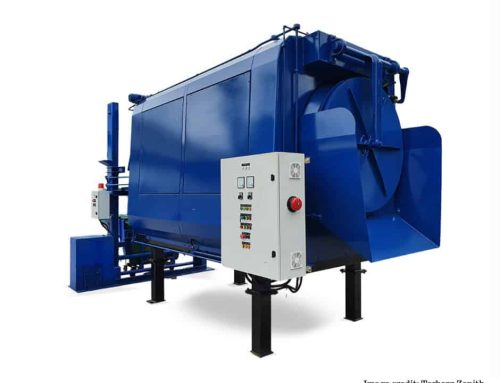
Maxiton supports on-site food waste treatment through its Food Digester solutions and related waste management services, helping buildings align equipment capacity with actual site conditions rather than guesswork.
Why food digester sizing matters
A food digester is meant to smooth out waste handling, reduce storage pressure, and improve hygiene around food waste disposal. If the equipment capacity is mismatched to the site, those benefits can drop quickly.
Undersized systems often lead to overflow risks, delayed processing, temporary holding of wet waste, and higher cleaning effort. Oversized systems can still work well, but the return on investment may take longer, especially if the waste stream is inconsistent or poorly segregated.
Singapore facilities typically care about four outcomes: stable daily operations, cleaner back-of-house conditions, reduced collection dependency, and measurable sustainability gains. Capacity planning should be built around those outcomes rather than a generic machine label.
Start with your real daily food waste profile
The first step is to estimate daily food waste generation as accurately as possible. This means separating preparation waste, plate waste, buffet leftovers, expired inventory, and event-driven surges. A hotel buffet operation behaves very differently from a hospital kitchen or a school canteen.
For example, a hawker centre may produce relatively predictable daily volumes but with strong lunchtime and dinner peaks. A hotel may see large swings based on occupancy, banquets, conferences, and festive periods. Institutions such as schools can have concentrated disposal windows that require quick handling before cleaning teams move on to other tasks.
When evaluating digester size, collect at least two to four weeks of data if possible. Weighing the food waste stream or estimating it from bin counts gives a much better starting point than relying on informal assumptions from operations staff.
Questions worth asking during sizing
- How many kilograms of food waste are generated on a normal day?
- What does a peak day look like during weekends, school terms, or events?
- Is the waste mainly raw prep waste, cooked leftovers, or mixed plate waste?
- How well is the waste segregated before it reaches the treatment point?
- Is there enough labour to feed the unit consistently during operating hours?
- How much floor space, drainage, and utilities are available?
Different facility types have different sizing logic
Hotels usually need sizing that accounts for occupancy variation, room service waste, banquet operations, and multiple kitchens. The right approach often includes a margin for surge days rather than only average occupancy.
Hawker centres and food courts tend to be volume-driven. Here, the focus is on throughput during short disposal windows, ease of operation for cleaning crews, and how the equipment fits into existing washdown and waste collection workflows.
Hospitals, schools, and institutions often prioritise hygiene, predictable workflow, and service continuity. Equipment sizing may need to reflect stricter housekeeping procedures and limited tolerance for backlog.
For mixed-use developments, the most common mistake is treating all tenants as if they produce the same type of waste. A development with restaurants, cafés, and retail units may need a more conservative sizing model or a phased equipment plan.
Do not size for waste volume alone
Food digester selection is not only about kilograms per day. Operational fit matters just as much. A facility with strong segregation and disciplined loading practices may perform well with a more tightly matched unit. A facility with contamination issues, irregular staffing, or long disposal queues may need more buffer.
You should also assess where the digester sits within the wider waste handling workflow. If your site already uses other equipment such as a waste bin lifting platform or coordinated back-of-house waste handling systems, digester sizing should support that process instead of creating a new choke point.
Operational factors that affect the correct capacity
- Hours available for loading and processing each day
- Whether waste is stored temporarily before treatment
- Access routes from kitchen or collection points to the equipment room
- Cleaning and maintenance windows
- Availability of water, power, and drainage connections
- Expected future growth in food service volume
Capacity planning should support compliance and sustainability goals
In Singapore, food waste management is increasingly tied to corporate sustainability reporting, operational efficiency, and long-term environmental planning. Even when a facility is not yet under a formal reporting framework, owners and operators are being asked tougher questions about how waste is reduced, processed, and tracked.
A correctly sized food digester helps sites reduce unnecessary storage time for wet waste and supports cleaner internal handling. It can also form part of a broader site-level strategy that includes IoT integration for waste management equipment or engineering review through waste management engineering consultancy.
The key is to choose a system that matches both today’s waste stream and the likely operational direction over the next few years. A property planning to expand F&B offerings, refresh tenant mix, or pursue stronger ESG reporting may need a different sizing approach from a site with flat demand.
When to review your current digester setup
If your existing food waste process still depends on frequent emergency collection, repeated washdown of holding areas, or staff workarounds during peak periods, the equipment may be undersized or poorly matched to actual operations. If the system is rarely used to its expected throughput, it may be oversized or placed in the wrong part of the workflow.
Sites should reassess capacity when there is a major change in occupancy, tenant mix, menu format, event frequency, or waste segregation rules. Equipment should be reviewed as part of broader maintenance planning too, especially if there are opportunities to improve integration with other waste management equipment across the property.
A practical way to make the right decision
The best approach is usually a site-based assessment that combines waste volume data, operational walkthroughs, utilities review, and growth assumptions. That gives owners and facility managers a more defensible sizing decision than selecting a machine by brochure alone.
For Singapore properties, the right food digester capacity is the one that fits the site’s real disposal pattern, labour model, and future operational goals. It should reduce friction for staff, improve cleanliness, and make the waste stream easier to manage at a building level.
If you are reviewing food waste handling for a hotel, hawker centre, institution, or mixed-use development, Maxiton can support the process through Food Digester solutions, maintenance and servicing, and site-specific consultation for smarter waste operations in Singapore.