Choosing between a stationary and mobile waste compactor is one of the most impactful decisions a facility manager can make. The wrong choice leads to wasted space, higher operating costs, and inefficient waste collection cycles. This guide breaks down the key differences, advantages, and ideal use cases for each type to help Singapore property managers make an informed decision.
Understanding the Two Main Compactor Categories
At the most fundamental level, the distinction comes down to where the compaction mechanism lives relative to the waste container:
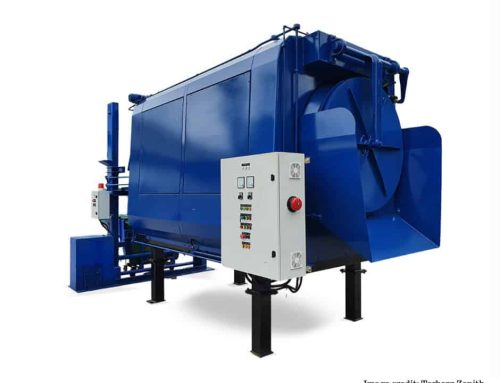
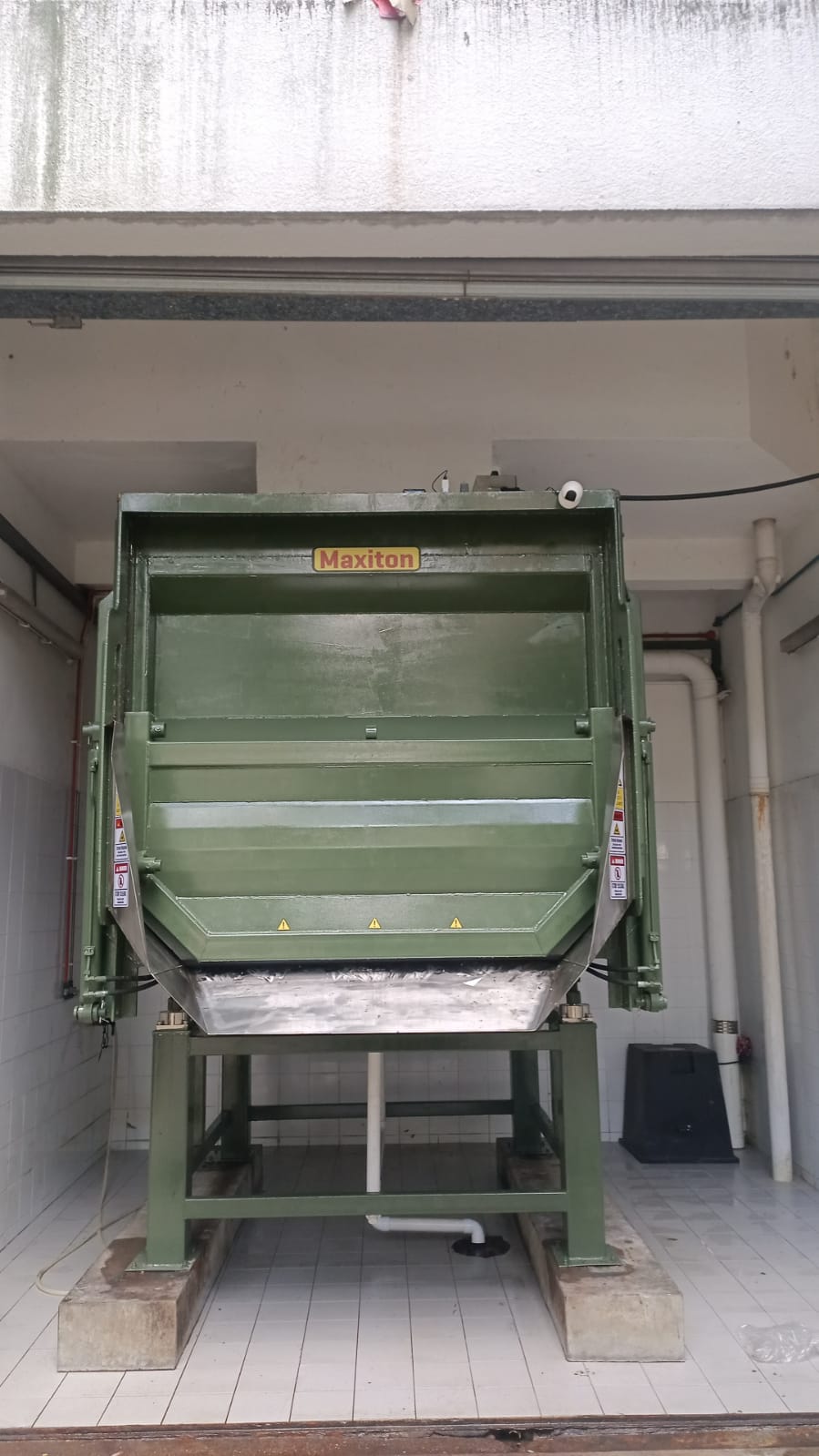
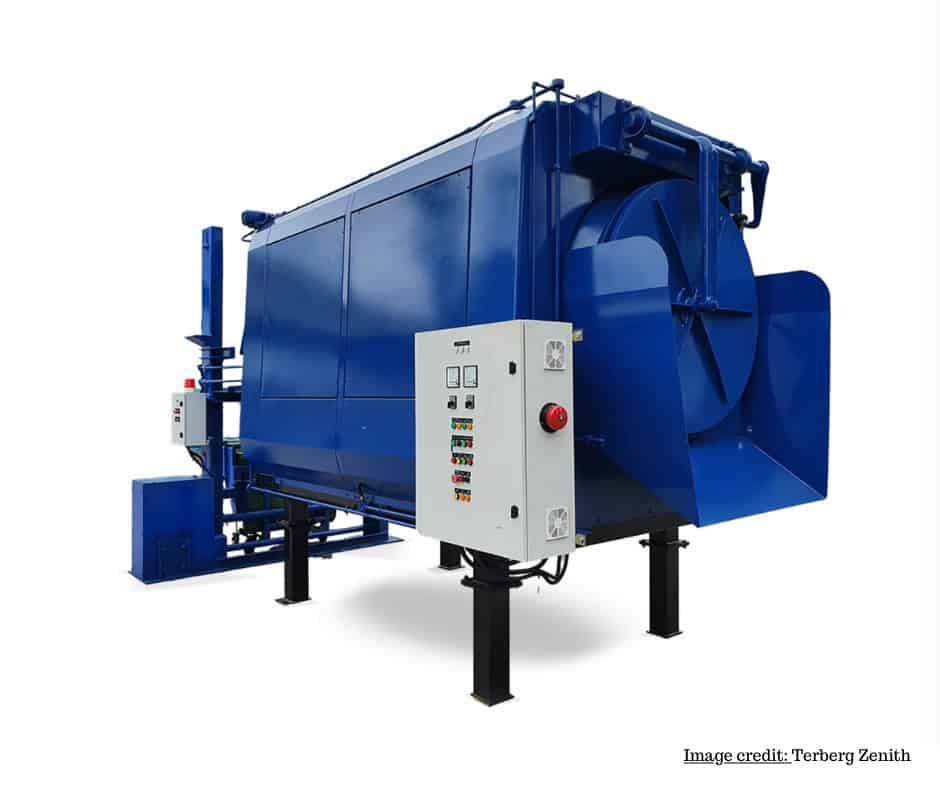
Stationary compactors have the hydraulic ram and power unit permanently installed at the loading dock or waste room. Waste is compacted into a detachable container that gets swapped out during collection. The compactor stays behind.
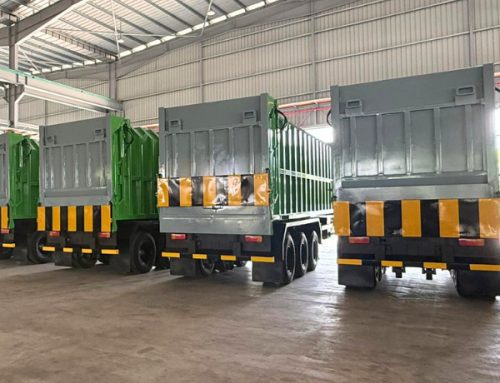
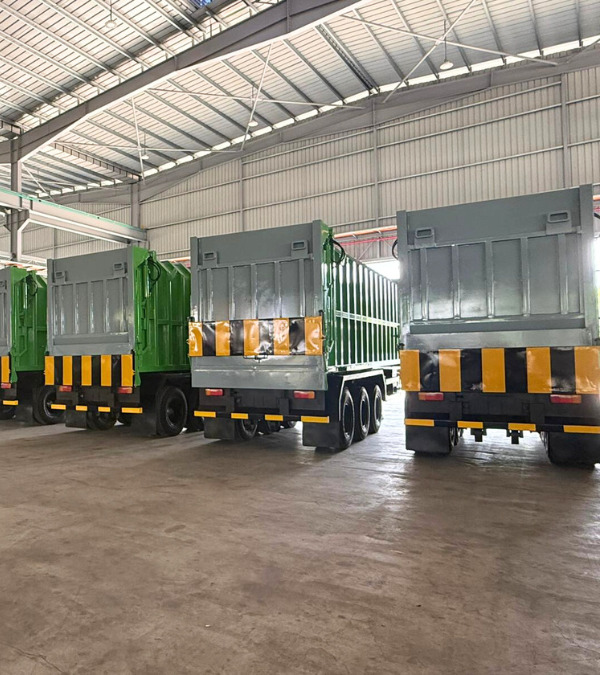
Mobile compactors (also called self-contained compactors) integrate the compaction mechanism and waste container into a single unit. The entire assembly — ram, hydraulics, and compacted waste — travels to the disposal facility together.
Stationary Compactors: How They Work
A stationary compactor consists of a fixed charge box (where waste is loaded), a hydraulic ram, and a detachable roll-off container. The process works as follows:
- Waste is loaded into the charge box through a hopper or chute
- The hydraulic ram compresses waste into the attached container
- When full, the container is disconnected and hauled away by a hook-lift or roll-off truck
- An empty container is connected in its place
- Compaction resumes immediately
Stationary compactors typically achieve compaction ratios between 4:1 and 6:1 for general mixed waste, and up to 10:1 for corrugated cardboard. Container sizes range from 15 to 40 cubic yards depending on the facility requirements.
Mobile Compactors: How They Work
A mobile or self-contained compactor is a single sealed unit. The compaction chamber and waste container share the same housing. Key characteristics:
- Fully enclosed and sealed against liquid leakage
- The entire unit is collected by a specialised hauler
- Replaced with an empty unit during collection (or emptied on-site at transfer stations)
- Compaction ratios typically range from 3:1 to 5:1
- Available in sizes from 10 to 35 cubic yards
Because the container is sealed, mobile compactors are ideal for wet waste streams where liquid containment is critical.
Head-to-Head Comparison for Singapore Facilities
Space Requirements
Stationary: Requires space for the fixed compactor unit plus clearance for container exchange. Typical footprint: 3m x 8m minimum. The compactor room or dock must accommodate truck access for container swap.
Mobile: Requires only the footprint of the self-contained unit plus truck access for collection. Slightly smaller overall footprint since there is no separate compactor housing. However, you need clearance for the full unit to be lifted onto the collection truck.
In Singapore, where bin centres and loading bays are notoriously tight, this difference matters. Many HDB estates and older commercial buildings have constrained access that favours one type over the other.
Waste Stream Suitability
Stationary compactors work best for:
- Dry waste: cardboard, paper, plastics, general refuse
- High-volume generators: shopping malls, warehouses, logistics hubs
- Recyclable streams that need high compaction ratios
Mobile compactors work best for:
- Wet waste: food courts, hawker centres, fresh markets
- Medical or hazardous waste requiring sealed containment
- Locations where leachate or odour control is critical
- Mixed waste with high moisture content
Capital and Operating Costs
Stationary: Higher upfront cost for the compactor unit (SGD 25,000 to SGD 60,000) plus container cost (SGD 8,000 to SGD 15,000 each). However, because only the container leaves for disposal, collection charges are often lower and the compactor unit has a longer service life (15 to 20 years).
Mobile: Lower individual unit cost (SGD 20,000 to SGD 45,000 for a complete self-contained unit). However, the entire unit experiences road transport wear, reducing service life. Collection logistics may be more complex if the hauler needs to provide a swap unit during collection.
Over a 10-year lifecycle, stationary compactors typically offer 15% to 25% lower total cost of ownership for high-volume dry waste applications. Mobile compactors are more cost-effective for lower volumes or where liquid containment eliminates the need for separate drainage infrastructure.
Maintenance Considerations
Stationary: The hydraulic power unit remains accessible at all times since it never leaves the site. Maintenance can be scheduled without interrupting waste collection. Container maintenance is simpler as containers are passive steel boxes.
Mobile: The hydraulic system travels with the container, exposing it to road vibration and impacts during transport. Seal maintenance is critical to prevent leaks during transit. Electrical connections between the unit and the site power supply are wear points that need regular inspection.
Decision Framework: 5 Questions to Ask
Use these questions to guide your compactor selection:
- What is your primary waste stream? Wet or high-moisture waste points toward mobile. Dry, bulky waste favours stationary.
- What is your daily waste volume? Above 2 tonnes per day, stationary compactors offer better economics through higher compaction ratios and lower per-haul costs.
- What space is available? Measure your bin centre or loading dock carefully. Factor in truck turning radius and container exchange clearance.
- How critical is liquid containment? If leachate management is a regulatory concern (food processing, medical), mobile compactors eliminate the risk.
- What is your collection frequency target? Stationary compactors with high ratios can extend collection intervals to weekly or fortnightly, reducing transport costs significantly.
Hybrid Approaches for Large Facilities
Many large Singapore developments use both types strategically. A typical integrated resort or mixed-use development might deploy:
- Stationary compactors for cardboard and dry recyclables from retail tenants
- Mobile compactors for wet waste from F&B outlets and food courts
- Smaller portable compactors for back-of-house areas with limited access
This segmented approach maximises compaction efficiency for each waste stream while addressing the practical constraints of different loading areas within the property.
IoT Monitoring for Both Compactor Types
Regardless of which type you choose, IoT monitoring adds significant value. Smart sensors can track:
- Fill level: Know exactly when collection is needed rather than relying on fixed schedules
- Compaction pressure: Monitor ram force to detect maintenance needs early
- Cycle counts: Track usage patterns to optimise collection routes
- Temperature: Critical for mobile compactors carrying organic waste that may generate heat
- Door status: Security and operational monitoring for shared bin centres
IoT-enabled compactors can reduce collection costs by 30% to 50% through demand-based scheduling. Explore our smart waste management insights for more on connected compactor solutions.
Singapore-Specific Considerations
Several factors unique to Singapore influence the stationary vs mobile decision:
- NEA regulations: Enclosed waste storage requirements favour sealed mobile units for food waste applications
- Space premium: Land costs make high-compaction stationary units attractive despite higher capital cost — every cubic metre of reduced container size saves valuable floor area
- Tropical climate: High humidity and temperatures accelerate organic waste decomposition, making sealed mobile compactors preferable for F&B waste
- Collection infrastructure: Singapore’s well-developed waste logistics network supports both container swap and full-unit collection models
Making Your Decision
There is no universally correct answer. The right compactor type depends on your specific waste profile, space constraints, budget, and operational priorities. What matters most is matching the equipment to your actual requirements rather than defaulting to whatever the previous facility manager installed.
A proper waste audit and site assessment will reveal the optimal configuration. This includes measuring waste volumes by stream, mapping vehicle access paths, and calculating lifecycle costs under different collection scenarios.
Ready to determine the right compactor configuration for your facility? Contact Maxiton Engineering for a complimentary site assessment and waste stream analysis.