The hydraulic power unit (HPU) is the beating heart of every waste compactor. Without proper maintenance, even the most advanced compactor system will underperform, break down prematurely, and cost your facility thousands in emergency repairs. This guide covers everything facility managers need to know about HPU maintenance to maximise equipment lifespan and minimise downtime.
What Is a Hydraulic Power Unit in a Waste Compactor?
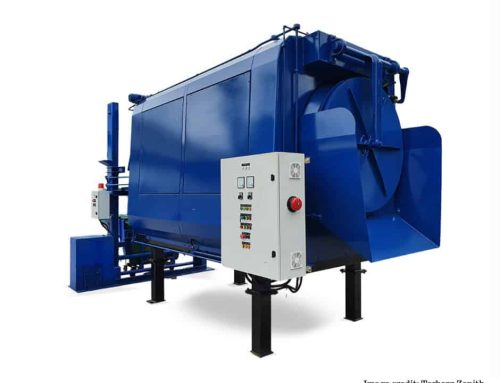
A hydraulic power unit converts electrical energy into hydraulic pressure, driving the compaction ram that crushes waste material. The HPU consists of several critical components: an electric motor, hydraulic pump, oil reservoir, control valves, filters, and a network of hoses and fittings. Each component requires specific attention to keep the system running at peak efficiency.
In typical commercial waste compactors used across Singapore properties, the HPU generates pressures between 150 to 250 bar, delivering the force needed to compact mixed waste, cardboard, or recyclables into dense bales or containers ready for collection.
Why HPU Maintenance Matters More Than You Think
Neglecting HPU maintenance is the single most common reason waste compactors fail prematurely. Here is what happens when maintenance is deferred:
- Contaminated hydraulic oil accelerates wear on pump internals and valve seats, reducing compaction force by up to 30%
- Clogged filters create back-pressure that overworks the electric motor, increasing energy consumption
- Degraded seals and hoses lead to oil leaks, creating slip hazards and environmental compliance issues
- Overheating from low oil levels or blocked coolers causes thermal breakdown of hydraulic fluid
A well-maintained HPU can last 15 to 20 years. A neglected one may need a full rebuild within 5 years — costing SGD 8,000 to SGD 15,000 depending on the compactor model.
Monthly HPU Maintenance Checklist
Facility managers should ensure these checks are performed monthly, either by in-house technicians or through a service contract with the equipment supplier:
Oil Level and Condition
Check the hydraulic oil level with the compactor ram fully retracted. The oil should sit between the minimum and maximum marks on the sight glass. Inspect the oil colour — fresh hydraulic oil is typically amber or light gold. Dark brown or black oil indicates contamination or thermal degradation and should be sampled for laboratory analysis.
Filter Inspection and Replacement
Most waste compactor HPUs have two filters: a suction strainer on the pump inlet and a return-line filter. Check the filter condition indicators (if fitted) or replace on schedule. Return-line filters should be changed every 500 operating hours or every 3 months, whichever comes first. Suction strainers should be cleaned during every oil change.
Hose and Fitting Inspection
Visually inspect all hydraulic hoses for bulging, cracking, abrasion, or weeping at fittings. Pay special attention to hoses near the compaction chamber where heat and vibration are highest. Replace any hose showing signs of degradation — a burst hydraulic hose at 200 bar is a serious safety hazard.
Temperature Monitoring
Hydraulic oil operating temperature should stay between 40°C and 65°C during normal compaction cycles. Consistently high temperatures indicate problems such as low oil level, blocked oil cooler fins, or internal pump wear causing bypass flow. Modern IoT-enabled compactors can monitor HPU temperature continuously and alert facility managers when thresholds are exceeded.
Quarterly and Annual HPU Service Tasks
Beyond monthly checks, schedule these deeper maintenance tasks:
- Quarterly: Test system pressure with a calibrated gauge at the test port. Compare against the manufacturer’s specification. Pressure drop greater than 10% indicates pump wear or valve issues.
- Quarterly: Check electric motor current draw. Rising amperage suggests increased mechanical resistance in the pump.
- Annually: Complete hydraulic oil change with the manufacturer-recommended grade (typically ISO VG 46 or VG 68 for tropical climates like Singapore).
- Annually: Replace all hydraulic seals in the main ram cylinder to prevent internal bypass leakage.
- Annually: Flush the system if oil analysis shows particle counts above ISO 18/16/13 cleanliness levels.
Common HPU Problems and How to Spot Them Early
Experienced technicians can diagnose HPU issues before they become critical failures:
Slow compaction cycles: If the ram takes noticeably longer to complete a full stroke, the pump may be losing volumetric efficiency due to internal wear, or control valves may be sticking.
Unusual noise: Cavitation (a high-pitched whining from the pump) indicates air ingress through loose suction fittings or low oil level. A knocking sound may indicate aeration of the oil.
Oil discolouration: Milky or cloudy oil indicates water contamination, often from condensation in outdoor installations. Water content above 0.1% accelerates component wear dramatically.
Erratic ram movement: Jerky or inconsistent ram motion points to air in the system, worn directional control valves, or electrical issues with solenoid coils.
How IoT Monitoring Transforms HPU Maintenance
Traditional HPU maintenance relies on calendar-based schedules. Modern IoT-enabled waste compactors take a smarter approach by continuously monitoring key parameters:
- Oil temperature sensors detect cooling system degradation before overheating occurs
- Pressure transducers track compaction force trends, flagging gradual pump wear
- Cycle counters trigger maintenance alerts based on actual usage rather than arbitrary time intervals
- Vibration sensors on the pump and motor detect bearing wear weeks before failure
With IoT monitoring, facility managers can shift from reactive and preventive maintenance to truly predictive maintenance — servicing components precisely when needed, avoiding both premature replacements and unexpected breakdowns. Learn more about smart waste management solutions that integrate IoT monitoring with HPU diagnostics.
Choosing the Right HPU Service Partner in Singapore
When selecting a maintenance provider for your waste compactor HPU, look for:
- Experience with your specific compactor brand and model
- Access to genuine replacement parts (pumps, seals, filters, valves)
- Capability to perform oil sampling and analysis
- 24/7 emergency response for critical breakdowns
- IoT integration for remote monitoring and predictive alerts
A comprehensive service contract that covers both the HPU and the compactor structure ensures nothing falls through the gaps between different service providers.
Key Takeaways
Your waste compactor is only as reliable as its hydraulic power unit. Investing in regular HPU maintenance protects your capital equipment, reduces energy costs, prevents safety incidents, and ensures uninterrupted waste collection operations. Whether you manage a single compactor or a portfolio of properties across Singapore, a structured HPU maintenance programme is essential for operational excellence.
Need help setting up a maintenance schedule for your waste compactors? Contact Maxiton Engineering for a site assessment and customised service plan.