Why IoT-Enabled Waste Compactors Are Changing Facility Management in Singapore
Managing waste compactors across multiple buildings used to mean relying on manual checks, guesswork, and reactive maintenance. A cleaner notices the bin centre smells. A resident complains. By then, the compactor is already overfull — and you’re paying for an emergency collection trip.
IoT-enabled smart compactors change this entirely. With real-time fill level monitoring, automated alerts, and cloud-based dashboards, facility managers can now make data-driven decisions about waste collection scheduling.
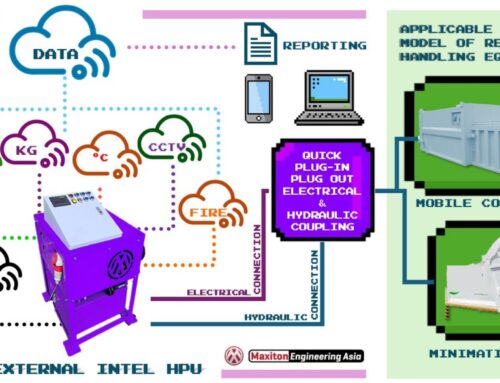
How IoT Monitoring Works on a Smart Compactor
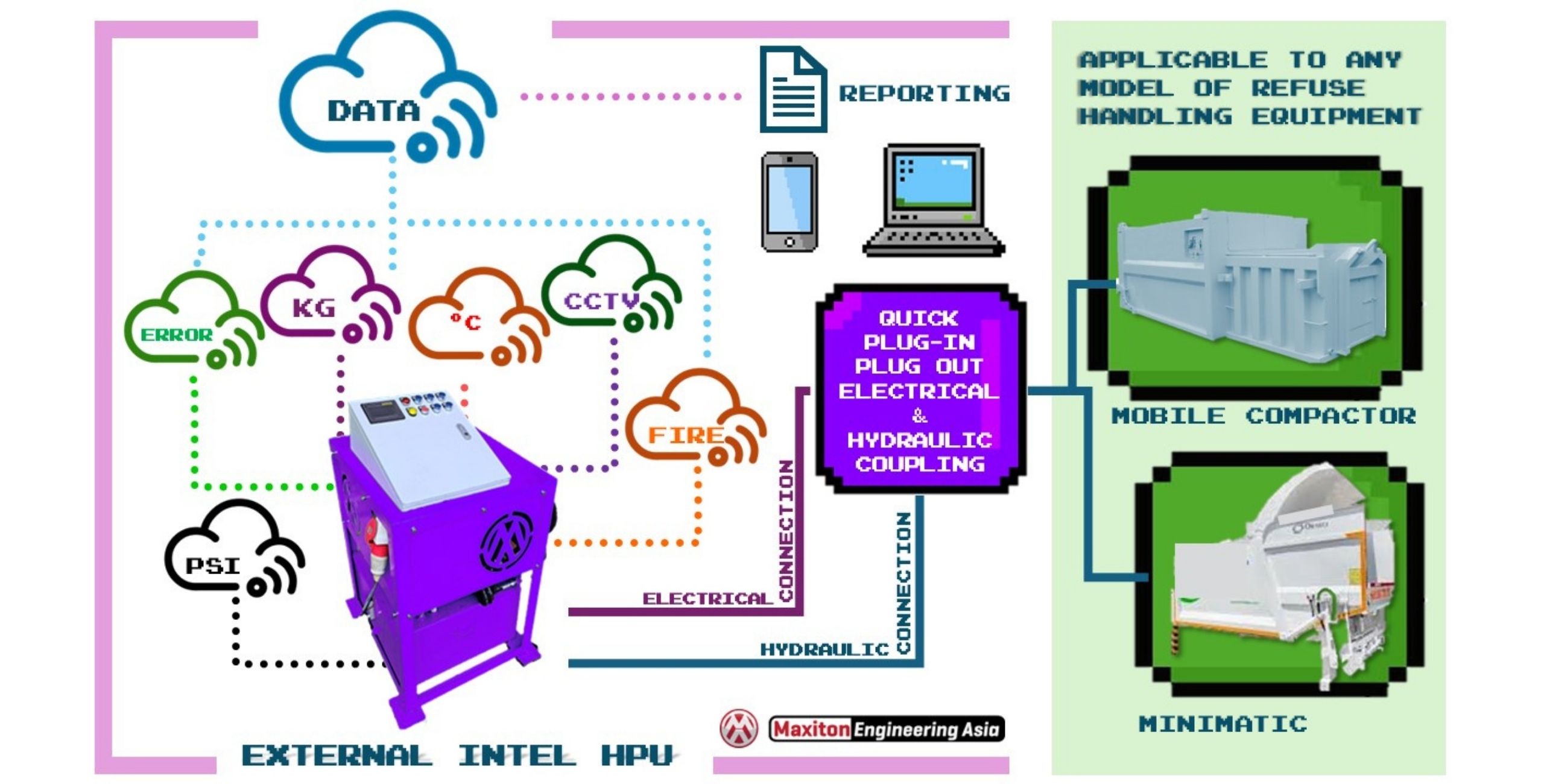
A smart waste compactor uses sensors embedded in the machine to continuously measure:
- Fill level — ultrasonic or load cell sensors track how full the chamber is (as a percentage)
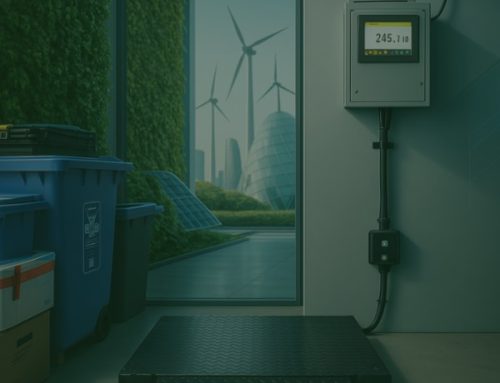
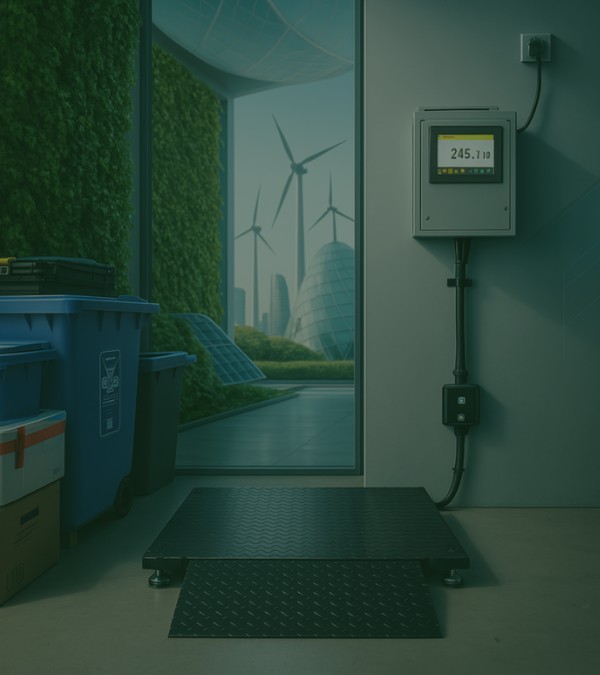
- Weight — load cells measure the actual tonnage of compacted waste
- Temperature — thermal sensors detect abnormal heat (potential fire hazard)
- Hydraulic pressure — monitors compaction force and system health
- System errors — PLC-level fault codes for motor failures, sensor malfunctions, or emergency stops
This data is transmitted via 4G or Wi-Fi to a cloud platform, where facility managers can view live status from any device — phone, tablet, or desktop.
The Real Cost of “Scheduled” Waste Collection
Most Singapore condominiums and commercial buildings still operate on fixed collection schedules. The waste truck comes every Monday, Wednesday, and Friday — regardless of whether the compactor is 30% full or overflowing.
This creates two problems:
- Wasted trips — collecting a half-empty compactor burns fuel, labour hours, and road capacity for nothing
- Overflow events — during peak periods (Chinese New Year, move-in seasons), fixed schedules can’t keep up
IoT monitoring solves both. When the system knows the exact fill level, collections can be triggered only when needed — typically reducing redundant trips by 30% or more.
Automated Alerts: Know Before It’s a Problem
Smart compactors can send instant notifications when:
- Fill level reaches 80% (schedule collection)
- Fill level reaches 90% (urgent — collect today)
- A system error occurs (motor fault, hydraulic issue, emergency stop)
- Temperature exceeds safe thresholds (fire risk)
These alerts can be delivered via messaging apps, email, or SMS — reaching the right person immediately, not buried in a daily report.
Data-Driven Waste Collection Planning
Beyond real-time alerts, the historical data collected by IoT compactors enables smarter long-term planning:
- Peak usage patterns — identify which days and times generate the most waste
- Seasonal trends — plan for festive periods, tenant move-ins, or renovation waste spikes
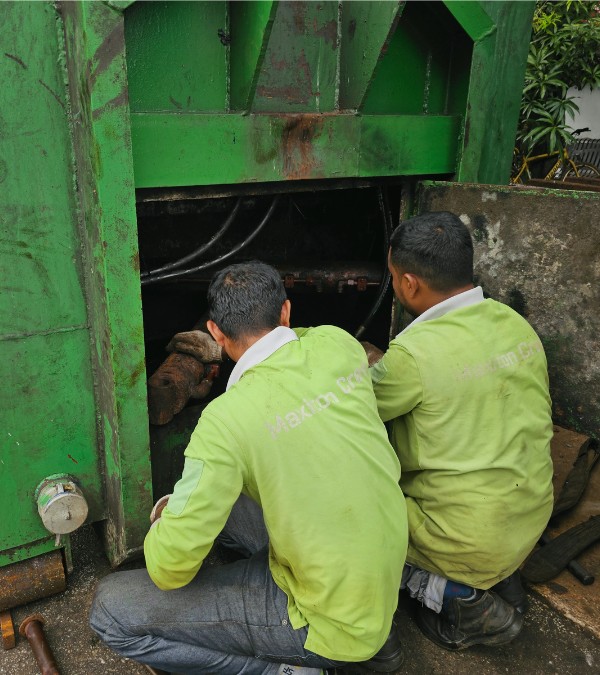
- Equipment health — track compaction cycles, hydraulic wear, and schedule preventive maintenance before breakdowns
- Cost allocation — with weight data per compaction cycle, buildings can fairly allocate waste management costs across tenants
What to Look for in a Smart Compactor System
Not all “smart” compactors are equal. When evaluating IoT-enabled waste management equipment for your building, consider:
- Connectivity options — does it support both 4G and Wi-Fi? Buildings with poor cellular coverage need alternatives
- Alert delivery — can alerts reach your team via WhatsApp, Telegram, or your existing facility management platform?
- Dashboard access — is the monitoring portal accessible from mobile devices, or only desktop?
- Multi-site management — can you monitor compactors across multiple buildings from a single dashboard?
- Local support — is the equipment supplier based in Singapore with local servicing capability?
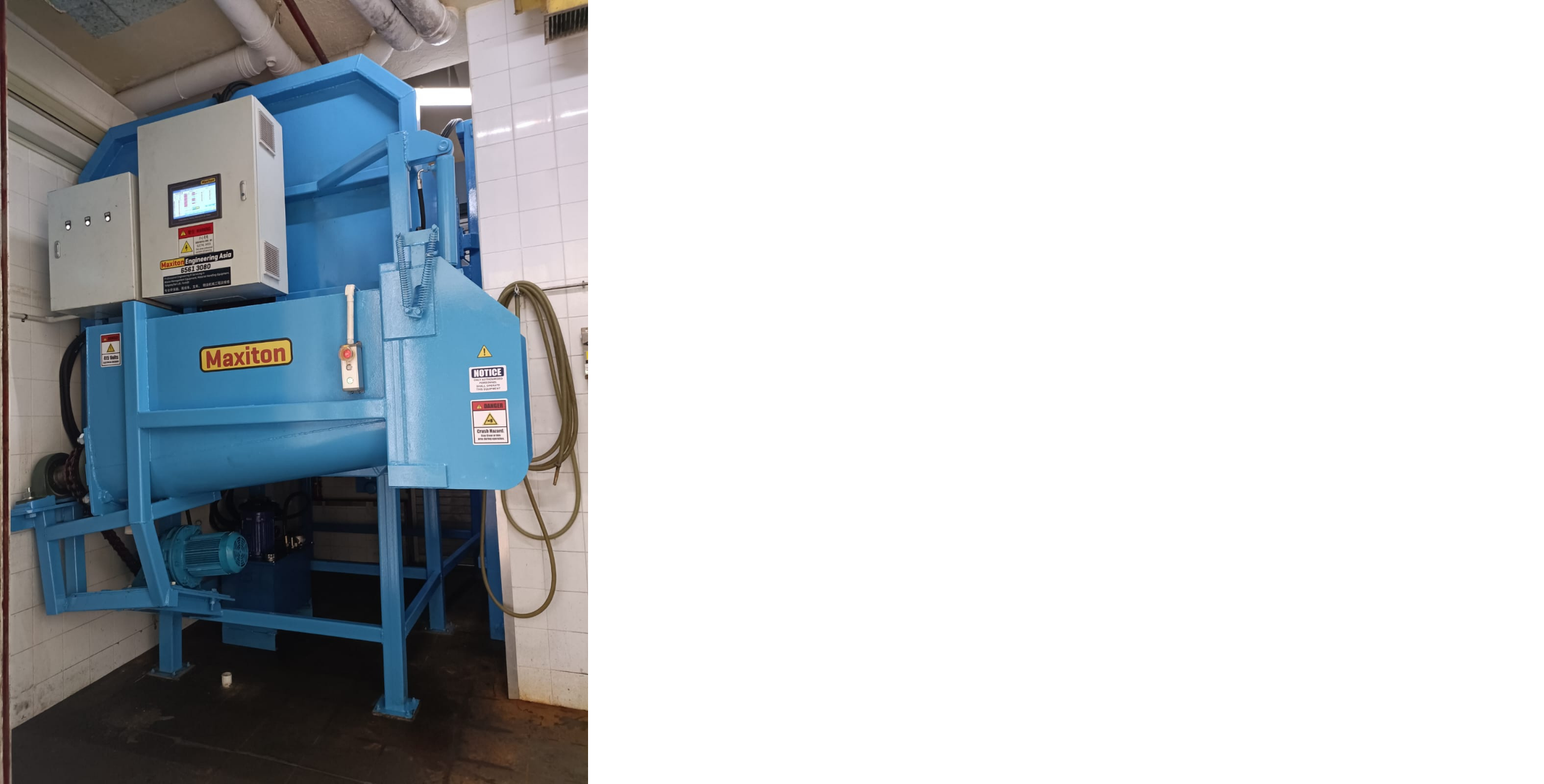
Maxiton Engineering Asia’s smart compactor range is designed and manufactured in Singapore, with full IoT integration and local maintenance and servicing support.
The Bottom Line
IoT monitoring transforms waste compactors from passive machines into intelligent assets. For Singapore facility managers handling multiple bin centres, the combination of real-time visibility, automated alerts, and historical analytics means fewer emergency calls, lower collection costs, and better service for residents.
The technology is proven and deployed across commercial buildings, condominiums, and industrial facilities in Singapore today. The question isn’t whether to adopt smart waste management — it’s how quickly you can start benefiting from the data.
Maxiton Engineering Asia specialises in smart waste management equipment with integrated IoT monitoring for Singapore buildings. Learn more about our solutions or request a free quotation.