Singapore’s Push Toward Mandatory Food Waste Segregation
Singapore generates over 800,000 tonnes of food waste annually, with a significant portion coming from food and beverage (F&B) establishments, hotels, and commercial kitchens. As the nation works toward its Zero Waste Masterplan targets, regulations around food waste segregation and treatment have tightened considerably.
Since 2024, large commercial and industrial food waste generators have been required to segregate food waste for treatment. This applies to establishments in prescribed premises such as large hotels, malls, and food manufacturing facilities. For F&B operators and facility managers navigating these requirements, understanding the regulations — and the technology available to comply — is essential for avoiding penalties and managing costs effectively.
Who Must Comply with Food Waste Segregation
Prescribed Premises Under the Resource Sustainability Act
The Resource Sustainability Act (RSA) mandates food waste segregation for:
- Large hotels — properties with 200 or more rooms
- Large shopping malls — retail properties exceeding 20,000 sqm of net lettable area
- Large food manufacturers and caterers — those generating significant volumes of food waste
- Large commercial properties with substantial F&B tenancies
These operators must segregate food waste from general waste and ensure it is sent for treatment rather than disposal at Semakau Landfill or waste-to-energy incineration plants without energy recovery optimisation.
Voluntary Adoption for Smaller Operators
While smaller F&B establishments are not yet mandated to segregate food waste, the National Environment Agency (NEA) strongly encourages voluntary adoption. Many smaller operators are choosing to comply early, driven by:
- Rising general waste disposal costs
- Tenant requirements from landlords in green-certified buildings
- Corporate sustainability commitments and ESG reporting needs
- Anticipation of regulations expanding to cover more premises
What Food Waste Segregation Actually Involves
Source Separation
Food waste must be separated at the point of generation — kitchen prep areas, plate clearing stations, and storage areas. This means dedicated bins or collection points clearly marked for food waste only, separate from general waste and recyclables.
Effective source separation requires staff training, clear signage in multiple languages, and convenient bin placement that fits into existing kitchen workflows rather than disrupting them.
Collection and Storage
Segregated food waste must be stored in sealed containers to prevent odour, pest attraction, and contamination of other waste streams. For properties generating large volumes, refrigerated food waste storage rooms may be necessary to manage the waste between collection intervals.
Treatment Pathways
Segregated food waste can be treated through several approved pathways:
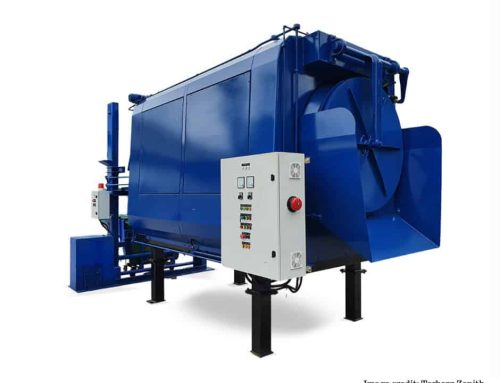
- On-site food waste digesters — machines that process food waste into grey water or compost on-premises
- Off-site anaerobic digestion — collected and sent to centralised biogas facilities
- Composting facilities — processed into usable compost for landscaping or agriculture
- Co-digestion at water reclamation plants — mixed with used water sludge for biogas generation
On-Site Food Waste Digesters: A Practical Solution
How They Work
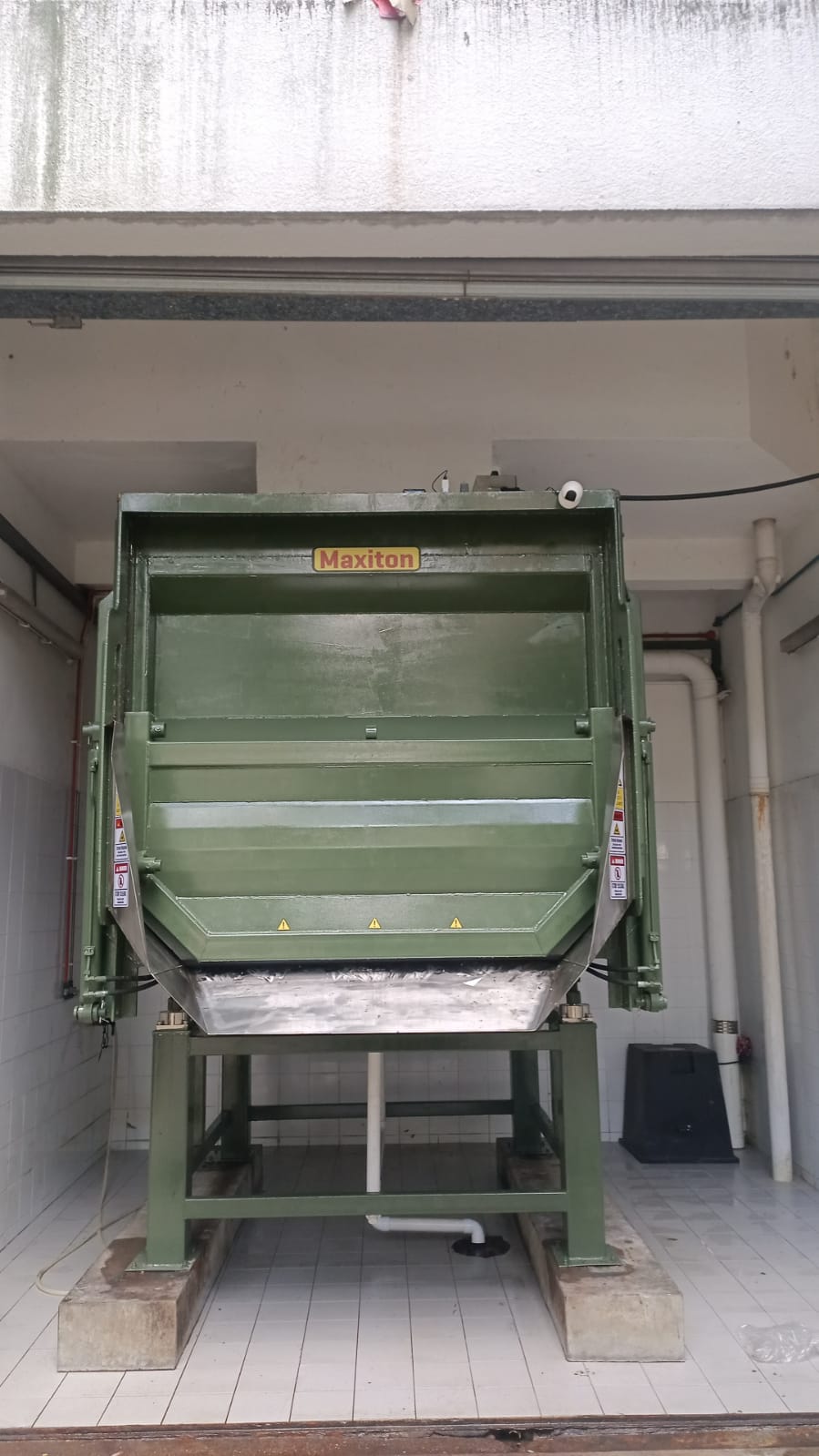
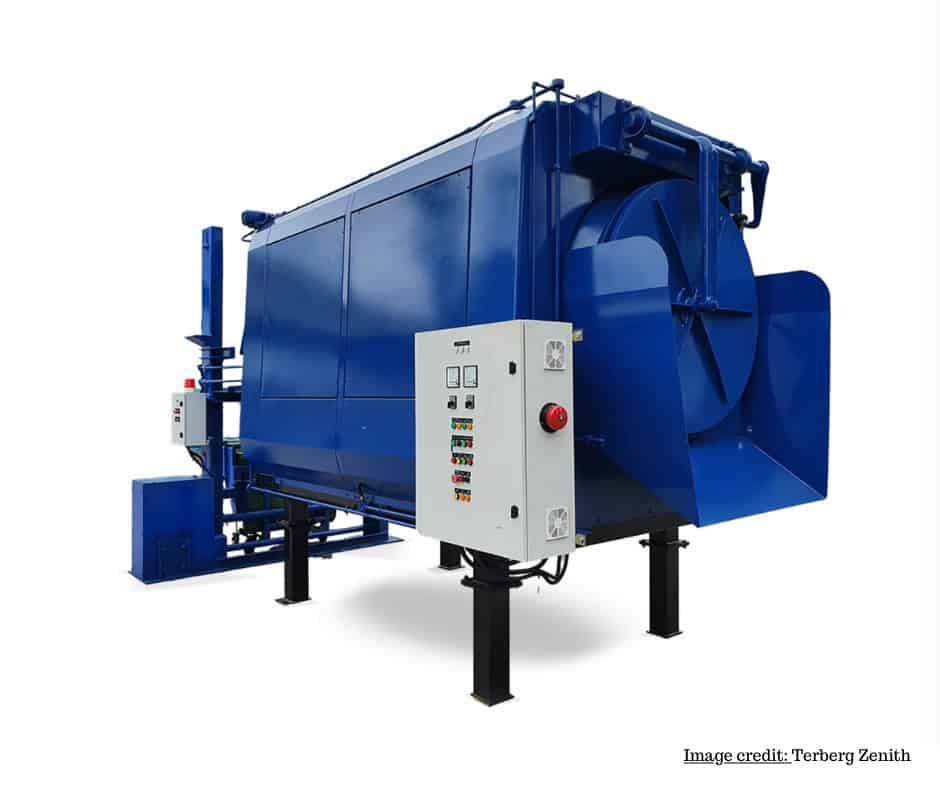
On-site food waste digesters use aerobic decomposition, sometimes enhanced with microbial cultures, to break down food waste within hours. The output is typically grey water that can be discharged to the sewer system, or a reduced-volume residue suitable for composting.
For Singapore F&B operations, on-site digesters offer several advantages over off-site collection:
- Immediate processing — no storage of putrefying food waste waiting for collection
- Reduced collection frequency — less dependency on waste collection schedules
- Lower ongoing costs — after initial investment, processing costs are primarily electricity
- Space efficiency — modern units fit in compact back-of-house areas
- Measurement and reporting — digital units log exactly how much food waste is processed
Sizing for Your Operation
Food waste digesters range from small units processing 50-100 kg per day (suitable for individual restaurants or small food courts) to large systems handling 500+ kg daily (appropriate for hotel kitchens or large mall food courts). Choosing the right capacity requires understanding your actual food waste generation patterns — which many operators discover is higher than expected once measured properly.
IoT Integration for Compliance Reporting
Modern digesters equipped with IoT monitoring capabilities automatically track processing volumes, operating temperatures, and system health. This data feeds directly into sustainability reports and provides the documentation needed to demonstrate compliance to NEA during inspections.
Costs and Incentives
NEA Grants and Funding Support
The 3R Fund and other NEA grant schemes provide co-funding for food waste treatment equipment, including on-site digesters. Eligible applicants can receive up to 80% funding support for qualifying equipment purchases, significantly reducing the capital barrier to compliance.
Cost Comparison: Segregation vs General Disposal
While implementing segregation requires upfront investment in equipment, bins, and training, the ongoing economics often favour treatment over disposal:
- General waste disposal fees in Singapore continue rising year-on-year
- Food waste is heavy and wet, making it expensive to dispose of by weight
- On-site treatment converts food waste to water, eliminating collection and tipping fees entirely
- Avoided contamination of recyclable streams improves overall recycling revenue
For large generators, the payback period on food waste treatment equipment is typically 2-4 years, after which ongoing savings are substantial.
Implementation Best Practices
Start with a Waste Audit
Before investing in equipment or changing processes, conduct a thorough food waste audit. Measure actual generation volumes by source (kitchen prep, plate waste, spoilage) over at least two weeks. This data drives correct equipment sizing and identifies quick wins in waste reduction before treatment.
Engage Kitchen Staff Early
Segregation only works if kitchen staff participate consistently. Involve them in the planning process, explain the reasons behind the change, and make compliance as easy as possible with well-placed, clearly marked collection points. Celebrate improvements and share metrics to maintain engagement.
Choose Equipment with Local Support
Food waste digesters require periodic maintenance and occasional troubleshooting. Choose suppliers with local service capabilities in Singapore who can respond quickly to issues. Remote monitoring and diagnostics capability further reduces response times for technical problems.
Monitor and Optimise Continuously
Track your food waste volumes over time. Successful programmes typically see volumes decrease as awareness increases — staff naturally become more mindful of waste when they see it measured and reported. Set reduction targets alongside treatment compliance.
Looking Ahead: Expanding Regulations
Singapore’s food waste management regulations are expected to expand progressively, bringing more premises and smaller operators into scope. F&B businesses that adopt segregation and treatment solutions now will be ahead of the curve when requirements tighten, avoiding the rush and potential equipment shortages that typically accompany regulatory deadlines.
The combination of regulatory push, cost incentives, and proven technology makes 2026 an ideal time for F&B operators to evaluate their food waste management approach. Whether through on-site digesters, improved collection arrangements, or a combination of both, addressing food waste segregation proactively protects your operation against future compliance pressure while delivering immediate operational benefits.