Understanding the True Cost of Waste Management for Singapore Properties
For facility managers and property owners in Singapore, waste management represents a significant recurring expense. Between collection fees, bin rental, labour costs, and NEA compliance requirements, the annual waste management budget for a mid-sized commercial building can easily exceed S$150,000. Yet many property managers overlook one of the most effective ways to reduce these costs: investing in a smart stationary waste compactor.
Understanding the return on investment (ROI) of waste compactors helps facility managers make data-driven decisions about equipment upgrades. In this guide, we break down the real numbers behind compactor cost savings for Singapore commercial properties.
How Waste Compactors Reduce Collection Frequency
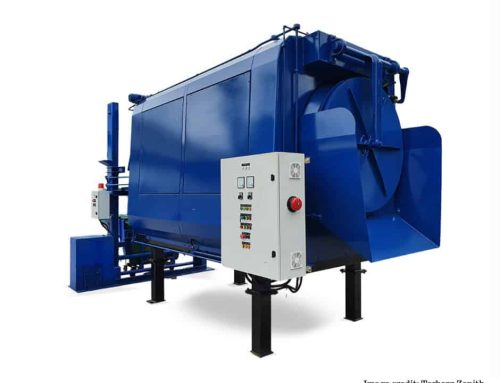
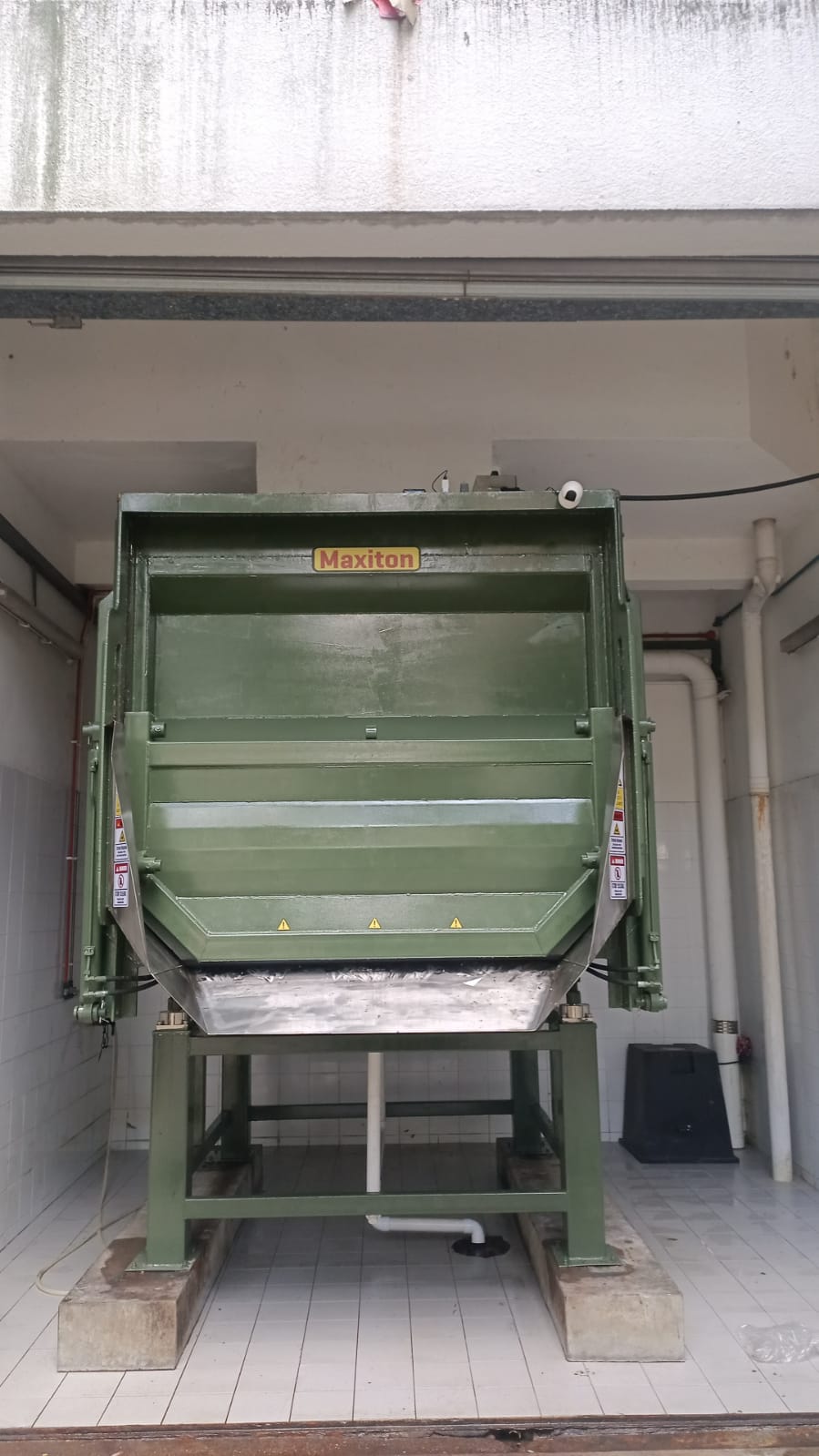
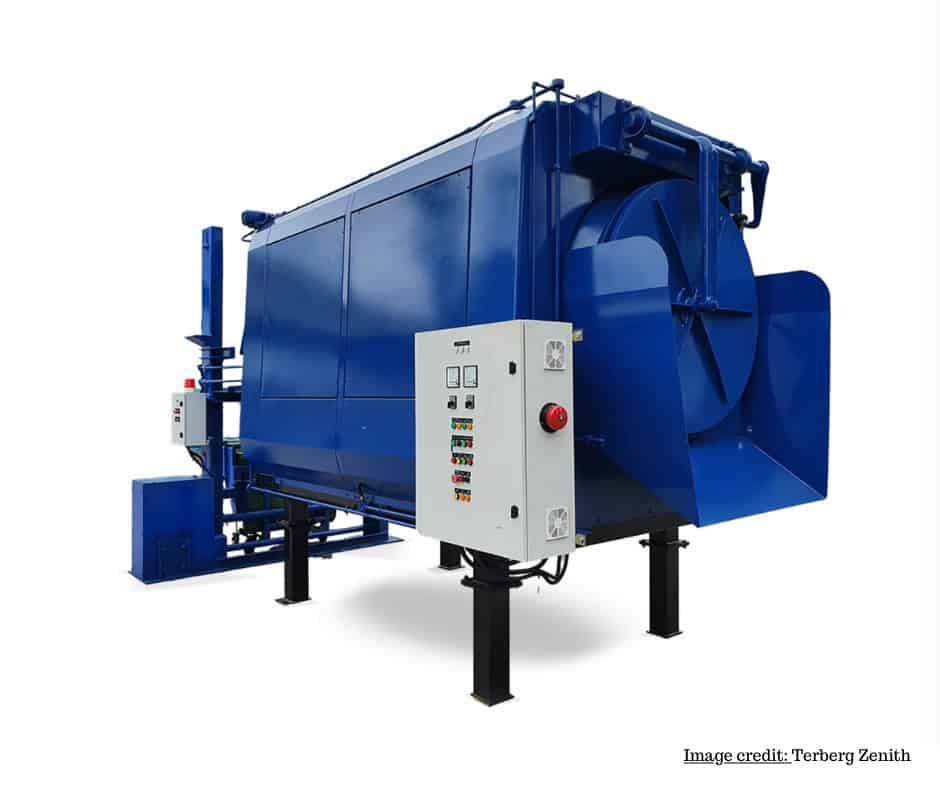
The primary cost saving from waste compactors comes from dramatically reducing collection frequency. A typical smart dual compactor achieves a compaction ratio of 4:1 to 6:1, meaning waste that would normally fill six bins now fits into one compacted container.
For a Singapore shopping mall generating 20 cubic metres of general waste daily, this translates to:
- Without compactor: Daily collection required (365 trips per year)
- With compactor: Collection every 3-4 days (90-120 trips per year)
- Annual collection cost reduction: 60-75%
At Singapore’s typical commercial waste collection rates of S$80-S$150 per trip (depending on bin size and location), reducing from daily to twice-weekly collection saves S$20,000-S$40,000 annually on collection fees alone.
Labour Cost Savings from Automated Compaction
Manual waste handling requires dedicated staff to sort, bag, transport, and manage refuse at the bin centre. A smart compactor with an integrated bin lifter system automates much of this process:
- Reduced manual handling time: 50-70% less labour required at bin centres
- Fewer workplace injuries: Automated lifting eliminates heavy manual handling risks
- Lower cleaning costs: Sealed compaction reduces spillage and pest attraction
For properties employing dedicated waste handling staff, automating with compactors can reduce headcount requirements by 1-2 full-time equivalent positions, saving S$30,000-S$60,000 annually in labour costs.
Space Optimisation and Opportunity Cost
In Singapore, where commercial floor space commands premiums of S$4-S$12 per square foot monthly, the space occupied by waste bins represents a real opportunity cost. A single compactor replaces 4-6 large bins, freeing up 15-25 square metres of usable space.
For a property charging S$6 per square foot, recovering 20 square metres (215 sq ft) of rentable space translates to approximately S$15,500 in additional annual revenue potential.
Bin Centre Size Reduction
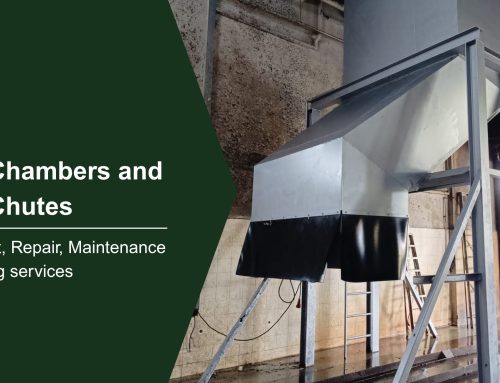
Properties planning new bin centres or renovating existing ones can design significantly smaller facilities when incorporating compactors from the start. This is particularly valuable for refuse chamber and chute systems in residential developments where bin centre footprint directly impacts sellable floor area.
IoT Monitoring and Operational Efficiency Gains
Modern smart control panel systems with IoT connectivity add another layer of cost savings through operational intelligence:
- Fill-level monitoring: Schedule collections only when needed, eliminating unnecessary trips
- Predictive maintenance alerts: Prevent costly breakdowns and emergency repairs
- Usage analytics: Identify waste generation patterns and optimise staffing schedules
- Remote diagnostics: Reduce on-site service calls by resolving issues remotely
Properties using IoT-enabled compactors report an additional 10-15% reduction in overall waste management costs compared to non-connected compactors, thanks to data-driven optimisation.
Calculating Your Property’s Compactor ROI
Here is a simplified ROI calculation framework for a typical Singapore commercial building:
Annual Cost Savings
- Reduced collection frequency: S$25,000-S$40,000
- Labour savings: S$30,000-S$60,000
- Space recovery value: S$10,000-S$20,000
- Reduced pest control costs: S$3,000-S$5,000
- IoT optimisation savings: S$5,000-S$10,000
Total annual savings: S$73,000-S$135,000
Typical Payback Period
With equipment and installation costs ranging from S$50,000-S$120,000 depending on configuration, most Singapore commercial properties achieve full payback within 12-18 months. For larger developments or those with high waste volumes, payback can occur in under 12 months.
Additional Financial Benefits
NEA Compliance Cost Avoidance
Singapore’s National Environment Agency (NEA) requirements for waste management continue to tighten. Properties with compactors and proper waste infrastructure are better positioned to meet current and future regulations without costly retrofits.
Green Mark Certification Points
BCA Green Mark certification awards points for efficient waste management systems. Properties earning higher Green Mark ratings command rental premiums of 5-15%, creating additional financial returns beyond direct cost savings.
ESG Reporting Benefits
With SGX-listed companies now required to report sustainability metrics, documented waste reduction through compaction technology provides quantifiable ESG data for annual reporting.
Getting Started with a Waste Compactor Assessment
Every property has unique waste profiles and operational requirements. The first step toward realising compactor ROI is a professional waste audit that examines:
- Current waste volumes and composition
- Existing collection frequency and costs
- Available bin centre space and infrastructure
- Staffing allocation for waste management
- Future development or tenant mix changes
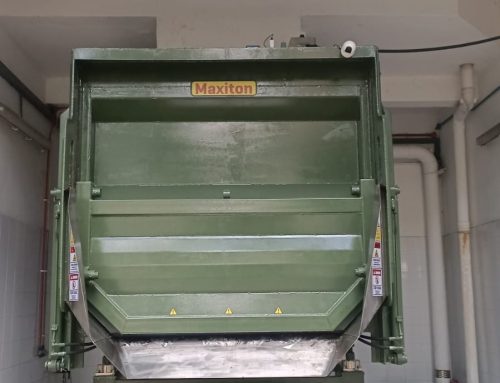
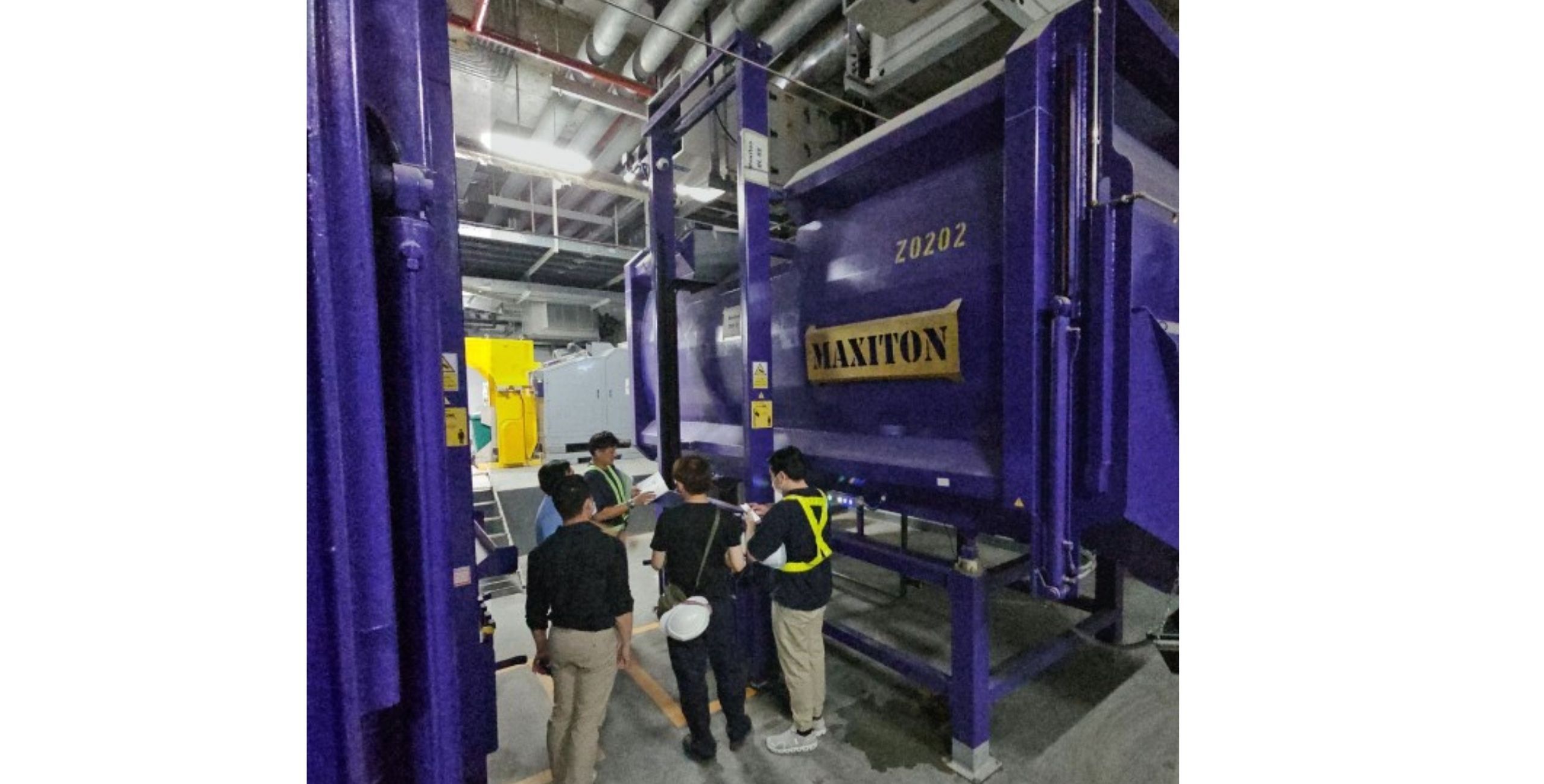
Maxiton Engineering provides complimentary waste assessments for Singapore commercial properties, helping facility managers quantify potential savings before committing to equipment investment. Request a free quotation to start your ROI analysis today.